Amino Acids and Hormone Production Explained
Hormones are chemical messengers that help coordinate communication between different parts of the body. Some hormones are proteins or peptides, which means they are built from amino acids. Understanding this connection helps clarify how amino acids contribute to normal biological signaling without implying outcomes or effects.
This article explains the relationship between amino acids and hormone production using clear, foundational language focused on structure and process.
Amino acids support many biological processes. This article explains how protein is used in the body after digestion:
https://getearthfuel.com/blogs/learn/protein-metabolism-explained-simply
What Hormones Are Made Of
Hormones can be made from different types of molecules.
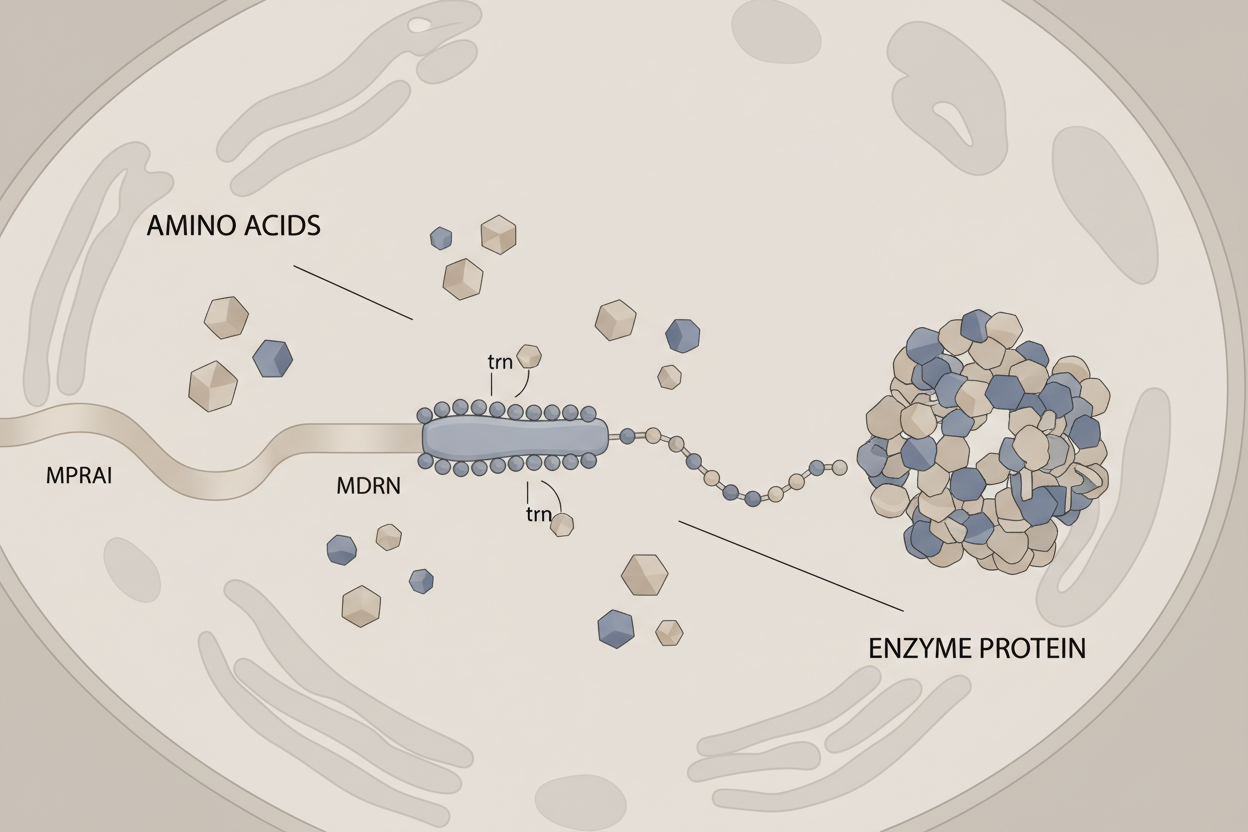
Some hormones are derived from amino acids and exist as protein or peptide structures. These hormones are created through the same basic protein building process used elsewhere in the body, starting with amino acids assembled into specific sequences.
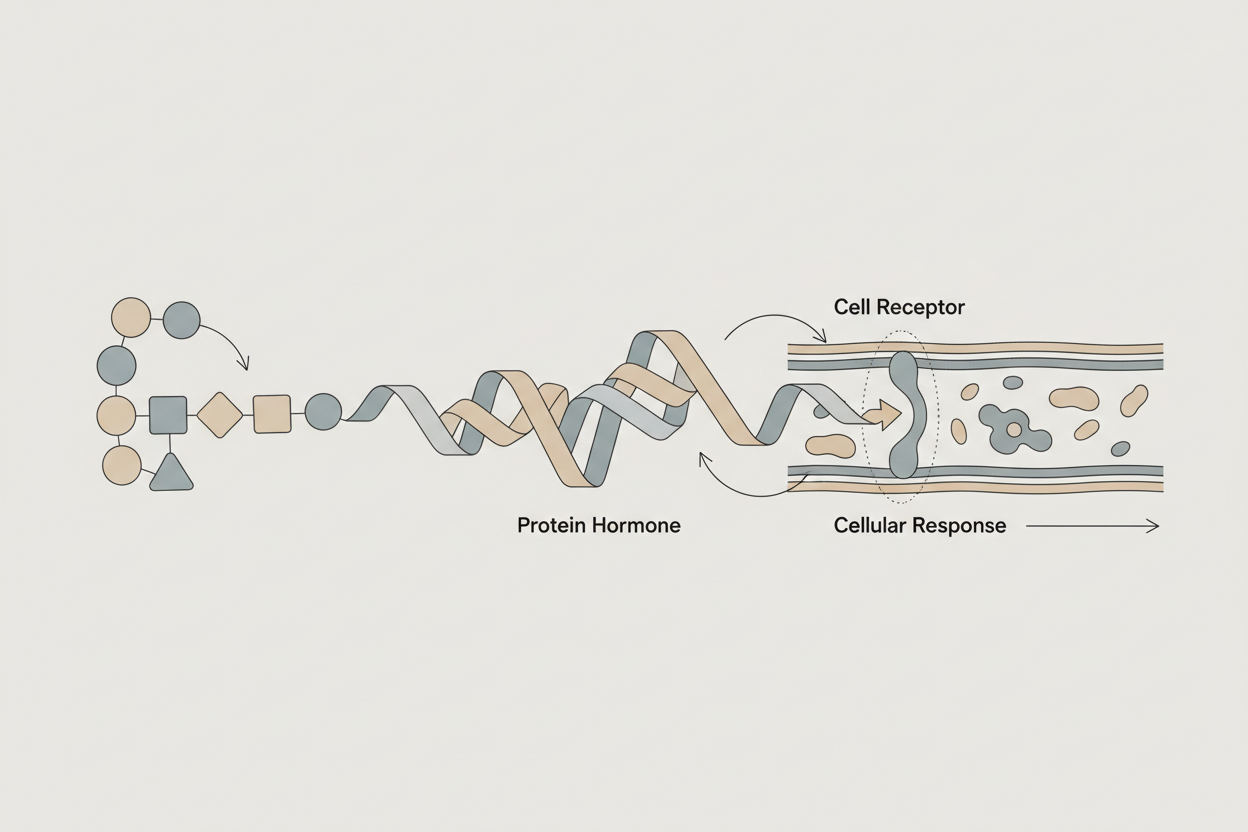
The amino acid sequence determines the structure of the hormone molecule.
Amino Acids as Building Materials for Hormones
When a hormone is protein based, amino acids serve as its building materials.
Cells link amino acids together according to genetic instructions to form a hormone with a specific shape. That shape allows the hormone to interact with receptors as part of normal cellular communication.
You can also explore how amino acids are absorbed before entering circulation:
https://getearthfuel.com/blogs/learn/how-amino-acids-are-absorbed
Amino acids enable hormone production by making this protein assembly possible.
Hormone Production Is a Regulated Process
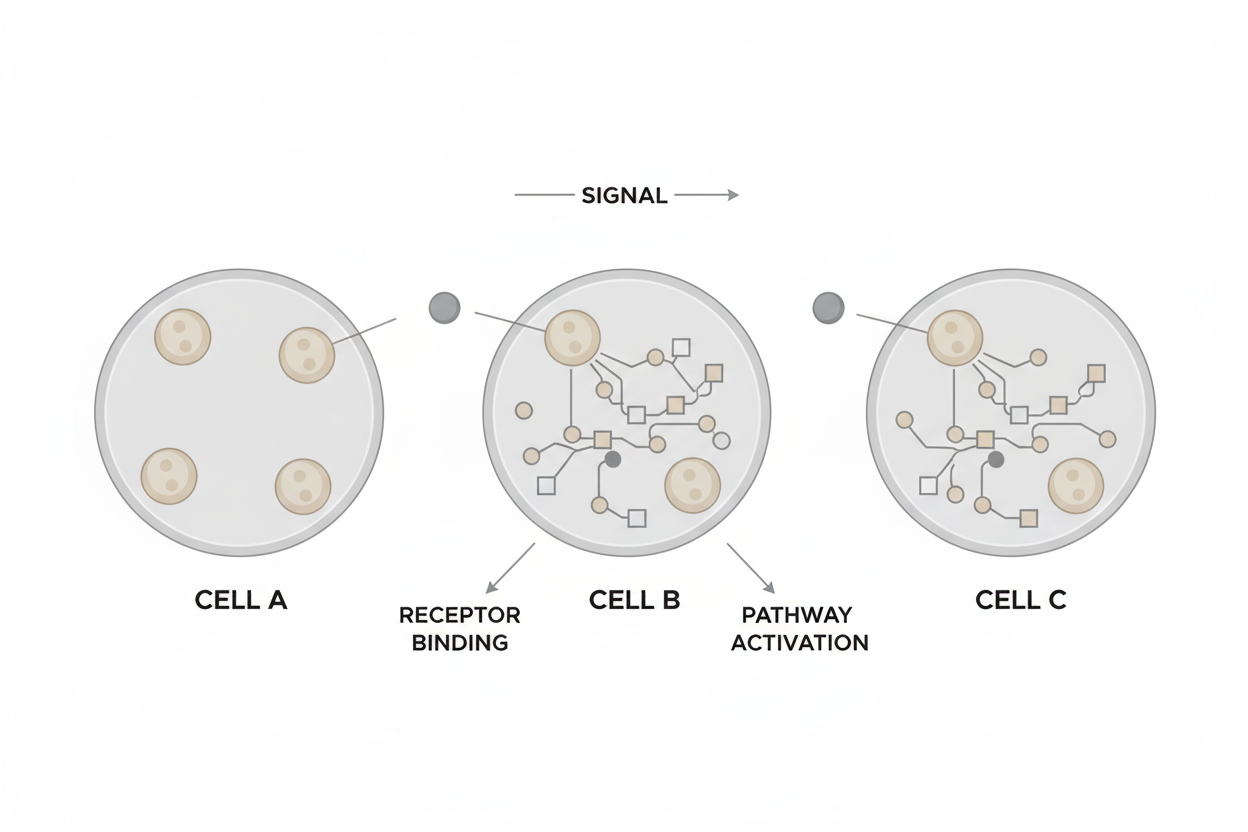
Hormone production follows regulated biological pathways.
Cells produce hormones as needed based on normal signaling and feedback systems. Amino acids provide the structural components, but the timing and amount of hormone production are controlled internally by the body.
This regulation helps maintain balance across different systems.
Not All Hormones Are Protein Based
It is important to note that not all hormones are built from amino acids.
Some hormones are derived from other compounds, such as lipids. The role of amino acids in hormone production applies specifically to hormones that are proteins or peptides.
This distinction helps keep amino acid biology clearly defined.
Continuous Renewal and Maintenance
Like other proteins, protein based hormones are produced and replaced over time.
As hormones are used and broken down, new molecules are created using amino acids. This ongoing cycle supports stable communication between cells without storing large reserves of hormone proteins.
Amino acids are reused as part of this normal maintenance process.
How This Fits Into Protein Fundamentals
Understanding hormone production adds another layer to how amino acids support normal biological systems.
Protein Fundamentals explains how amino acids move from digestion into circulation and then into functional proteins. Hormones are one category of protein that illustrates how amino acids contribute to communication as well as structure.
This explanation remains focused on process, not outcomes.
Part of the Nutrition Foundations Series
This article is part of our Nutrition Foundations series, where we explain how different macronutrients are digested and used by the body.
👉 Visit the Nutrition Foundations hub to explore more articles in this series.
Related Articles in This Series
About Earth Fuel
Earth Fuel is built around one principle: simple protein. Nothing extra. We focus on clear formulation, ingredient transparency, and structural integrity across every stage of the protein lifecycle. Learn more about our approach and formulation philosophy on the
Earth Fuel homepage
Frequently Asked Questions
Q: Are all hormones made from amino acids
A: No. Only protein and peptide hormones are built from amino acids.
Q: Do amino acids act as hormones themselves
A: No. Amino acids must be assembled into proteins to form hormone molecules.
Q: Is hormone production constant
A: Hormone production is regulated and adjusted through normal biological systems.
Q: Are hormones stored as proteins
A: Hormones are produced and replaced over time rather than stored in large reserves.
Q: Does this article describe hormone effects
A: No. It explains hormone structure and production, not effects or outcomes.
Q: Is hormone production separate from protein metabolism
A: Protein based hormone production is part of overall protein metabolism.

Written by Earth Fuel