Amino Acids and Structural Proteins
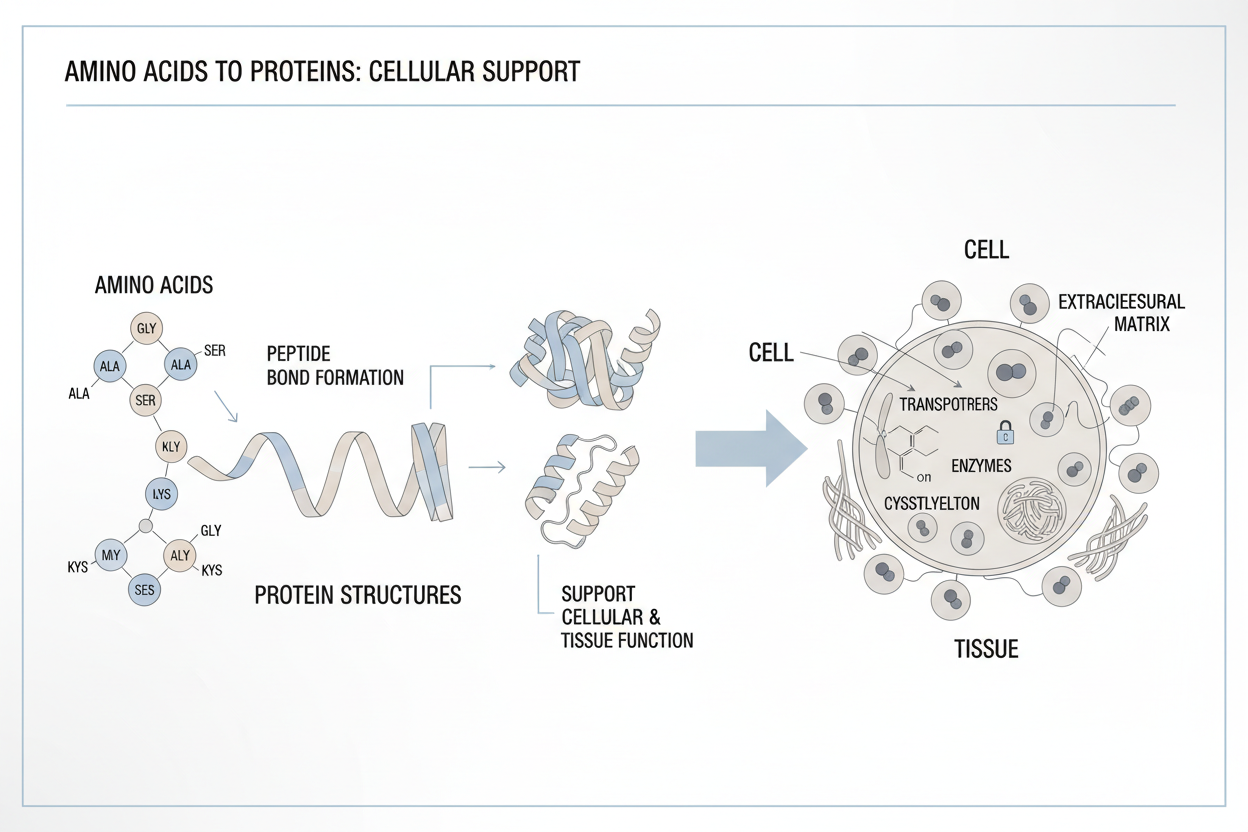
Structural proteins help give cells and tissues their form, organization, and stability. These proteins are built from amino acids and are present throughout the body as part of normal biological structure.
This article explains how amino acids relate to structural proteins using clear, foundational language. The focus is on biological roles and processes rather than outcomes, performance, or recommendations.
What Structural Proteins Are
Structural proteins are proteins that contribute to physical organization.
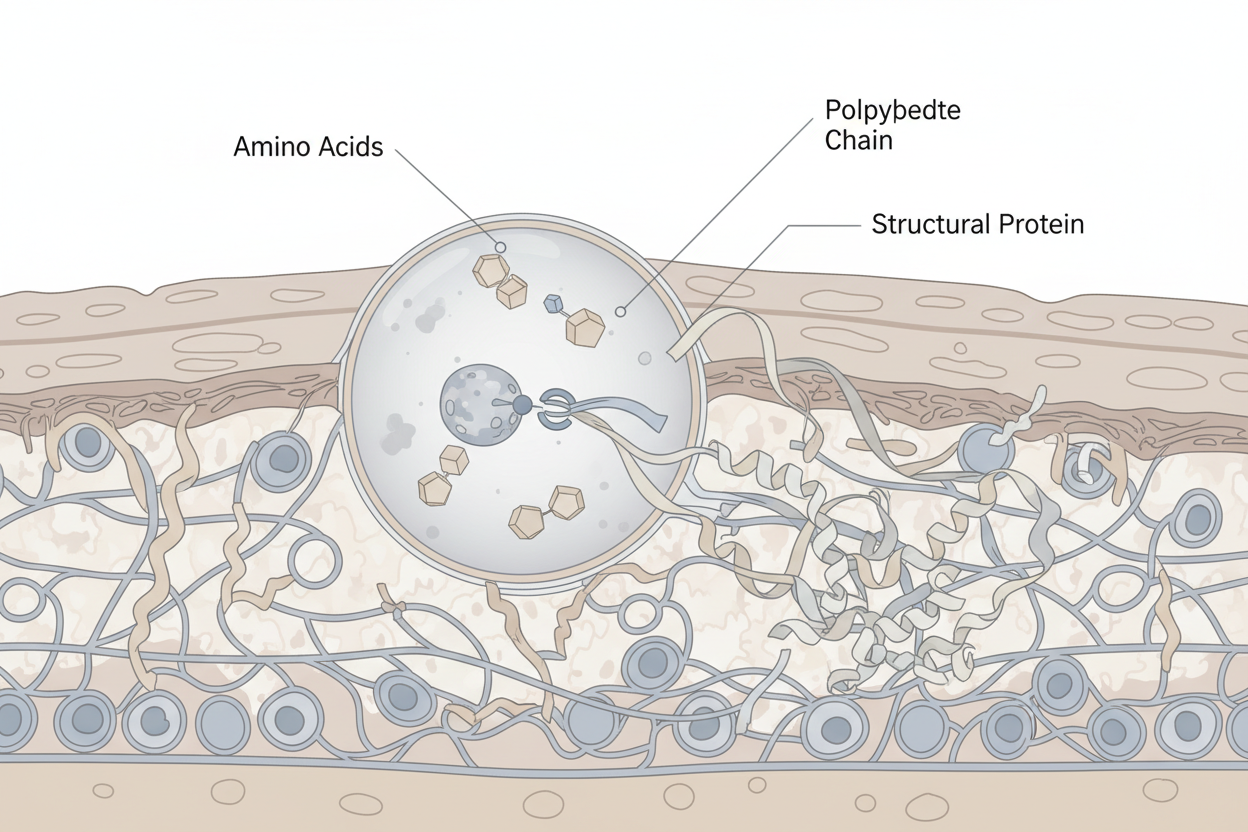
They form frameworks within cells and help tissues maintain shape and integrity. Structural proteins are found in many parts of the body and are part of normal cellular architecture.
Their structure is determined by the specific sequence of amino acids used to build them.
Amino Acids as Building Materials for Structure
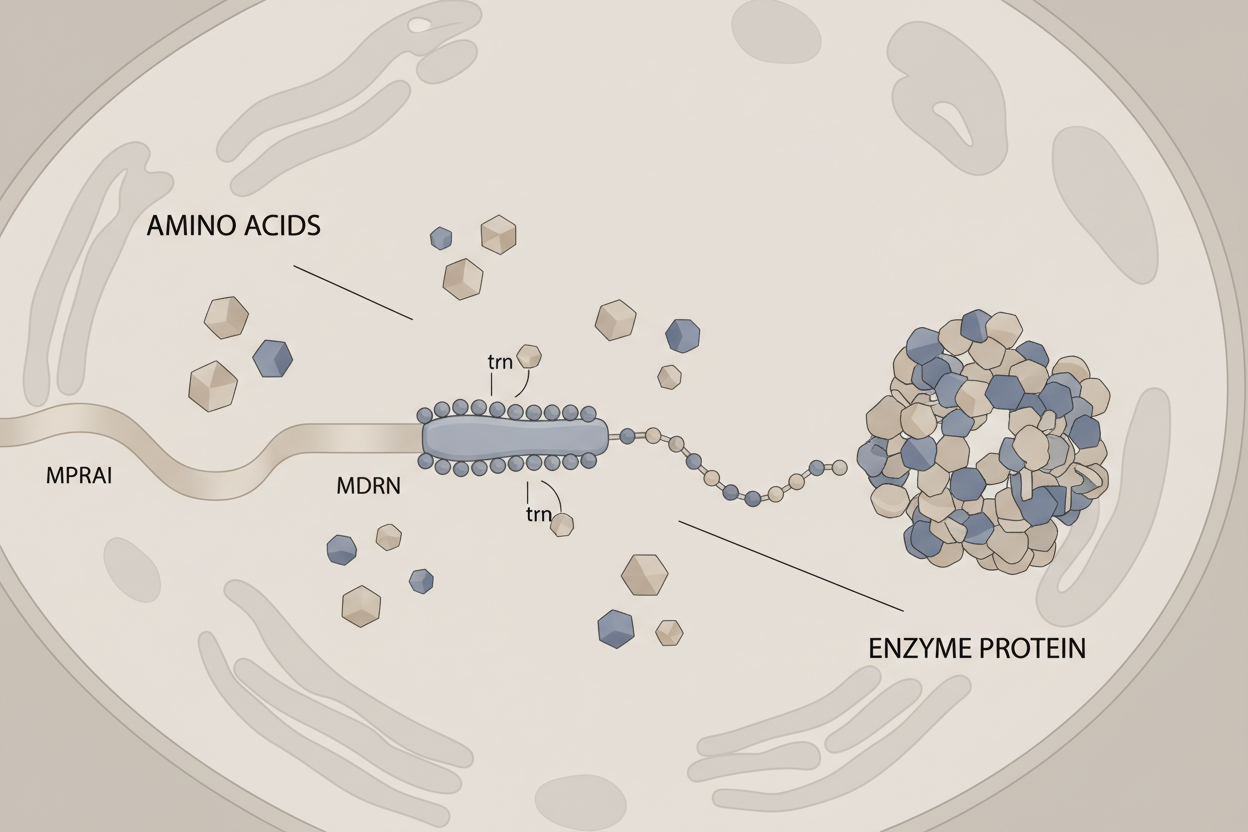
Amino acids are the raw materials used to build structural proteins.
Cells assemble amino acids into long chains that fold into precise shapes. These shapes allow structural proteins to provide support, connection, and organization within cells and between cells.
Without amino acids, structural proteins could not be formed or maintained.
Structure Depends on Amino Acid Sequence
The role of a structural protein is defined by its amino acid sequence.
Different sequences create different folding patterns, which determine how a protein fits into cellular frameworks. Even small changes in amino acid order can alter how a structural protein behaves within a cell.
This highlights why amino acids are discussed in terms of composition and arrangement, not just presence.
Structural Proteins Are Continuously Maintained
Structural proteins are not permanent.
Over time, proteins are broken down and replaced as part of normal biological maintenance. Amino acids from older proteins are reused to build new structural proteins that maintain cellular organization.
This ongoing renewal allows tissues to preserve structure without storing excess protein.
Structural Proteins Across the Body
Structural proteins are used in many different tissues.
While the specific proteins vary by tissue type, the underlying process remains the same. Amino acids are assembled into proteins that support cellular shape, internal organization, and tissue level structure.
This widespread use reinforces the foundational role of amino acids in normal biology.
How This Fits Into Protein Fundamentals
Understanding structural proteins helps connect amino acid availability, balance, and protein construction.
Protein Fundamentals focuses on how dietary protein becomes functional structure inside the body. Structural proteins are one of the primary ways amino acids are used after digestion and absorption.
This explanation stays focused on process rather than outcomes.
Part of the Nutrition Foundations Series
This article is part of our Nutrition Foundations series, where we explain how different macronutrients are digested and used by the body.
👉 Visit the Nutrition Foundations hub to explore more articles in this series.
Related Articles in This Series
About Earth Fuel
Earth Fuel is built around one principle: simple protein. Nothing extra. We focus on clear formulation, ingredient transparency, and structural integrity across every stage of the protein lifecycle. Learn more about our approach and formulation philosophy on the
Earth Fuel homepage
Frequently Asked Questions
Q: Are structural proteins only found in muscles
A: No. Structural proteins are found throughout the body in many different tissues.
Q: Do amino acids directly provide structure
A: Amino acids form proteins, and those proteins provide structure.
Q: Are structural proteins static
A: No. They are continuously maintained and replaced over time.
Q: Does structure depend on amino acid order
A: Yes. Amino acid sequence determines protein shape and function.
Q: Are structural proteins stored in the body
A: Structural proteins exist as part of tissues, but protein is not stored as a reserve nutrient.
Q: Is this article describing health effects
A: No. It explains biological structure without discussing outcomes.

Written by Earth Fuel