Amino Acids and Enzyme Production
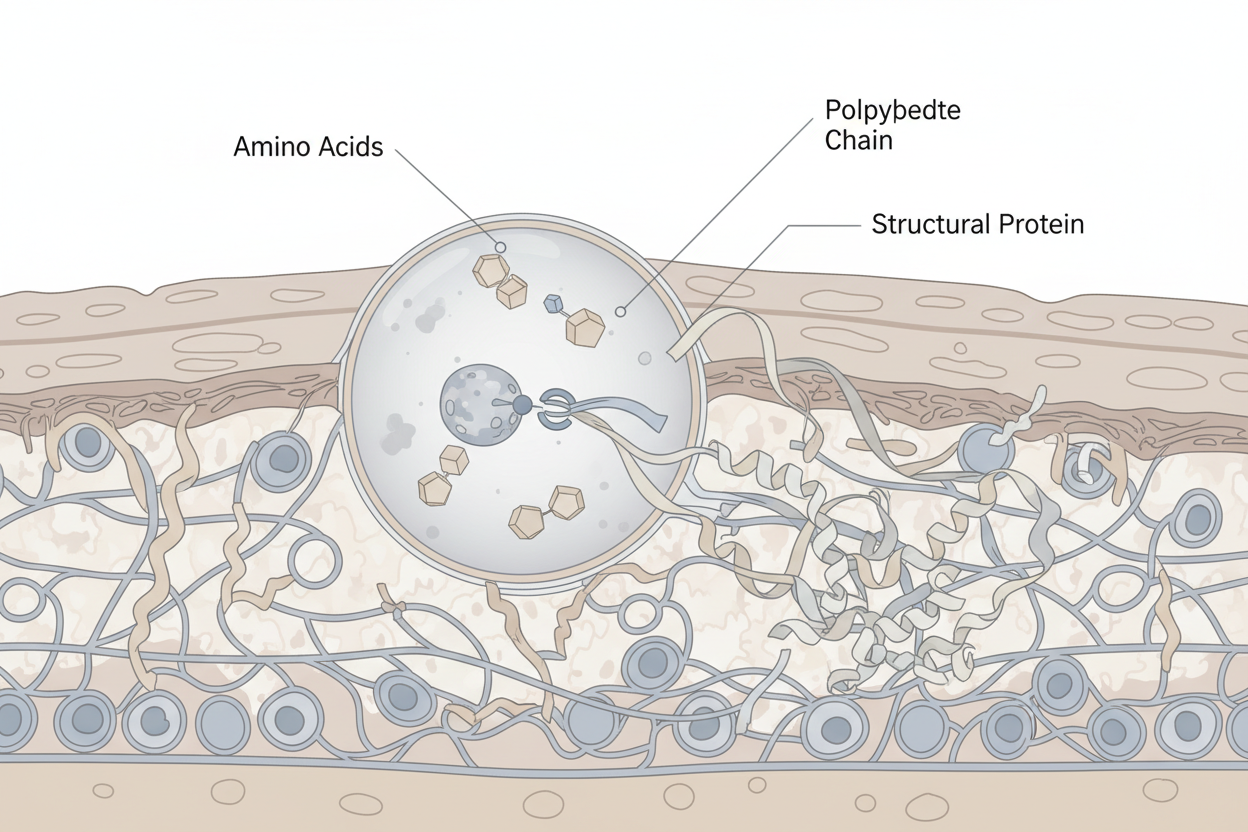
Enzymes are proteins that support normal chemical processes inside the body. Like all proteins, enzymes are built from amino acids and rely on precise amino acid sequences to exist and function as part of everyday biology.
This article explains how amino acids relate to enzyme production using clear, foundational language. The focus is on biological structure and process, not outcomes, performance, or recommendations.
What Enzymes Are Made Of
Enzymes are proteins.
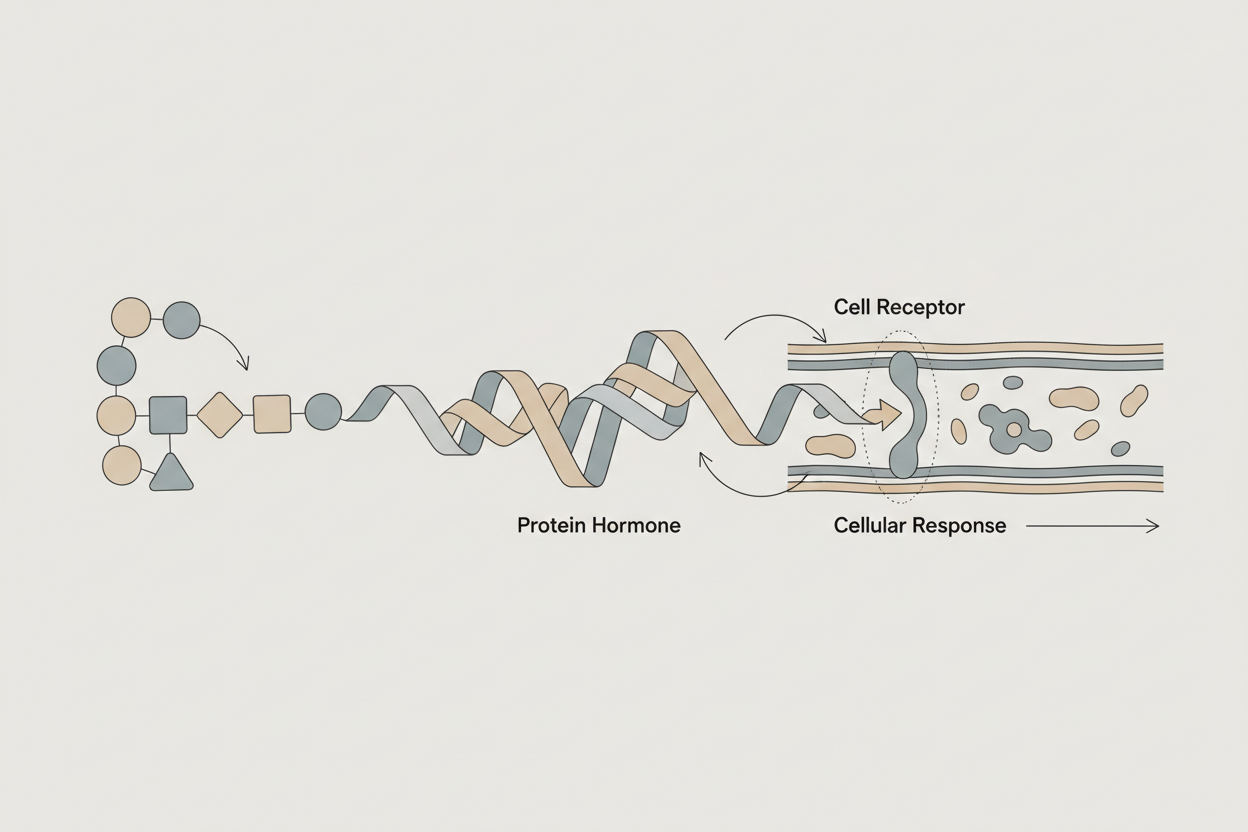
Each enzyme is formed from a specific sequence of amino acids that folds into a unique three dimensional shape. This shape allows the enzyme to participate in routine chemical reactions that occur within cells.
Amino acids determine the structure of enzymes by defining how these protein chains are assembled and folded.
Amino Acids as the Basis of Enzyme Structure
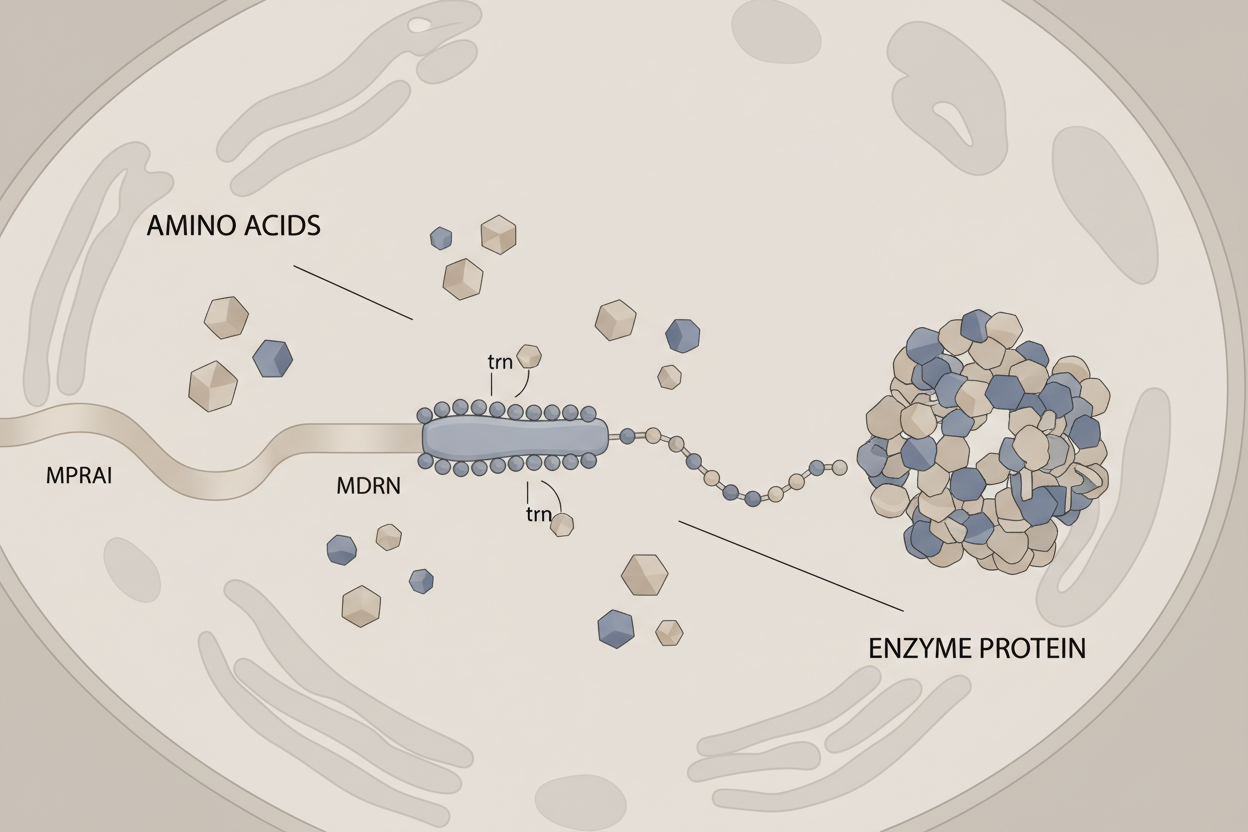
Amino acids are the building materials used to create enzymes.
Cells link amino acids together according to genetic instructions, forming protein chains that become enzymes. The order of amino acids in each chain determines how the enzyme folds and where it fits within cellular systems.
Without amino acids, enzymes could not be produced or maintained.
Why Amino Acid Sequence Matters for Enzymes
The specific sequence of amino acids in an enzyme is critical.
Different sequences result in different folding patterns, which influence how an enzyme interacts with other molecules. Even small changes in amino acid arrangement can alter how an enzyme fits into normal cellular processes.
This highlights why amino acids are discussed in terms of composition and arrangement rather than simply presence.
Enzyme Production Is Ongoing
Enzymes are not permanent structures.
They are produced, used, and replaced over time as part of normal cellular maintenance. Amino acids from older proteins are reused to build new enzymes as needed.
This continuous cycle supports stable cellular operation without storing excess protein.
Enzymes Across Different Cell Types
Different cells produce different enzymes.
The specific enzymes present depend on the role of the cell, but the underlying process remains the same. Amino acids are assembled into enzyme proteins that support the cell’s routine activities.
This diversity of enzyme production underscores the broad role amino acids play throughout the body.
How This Fits Into Protein Fundamentals
Understanding enzyme production helps connect amino acid availability, balance, and protein construction.
Protein Fundamentals focuses on how dietary protein becomes functional proteins inside the body. Enzymes are one example of how amino acids are used to create structures that support normal biological processes.
This explanation remains grounded in process rather than outcomes.
Part of the Nutrition Foundations Series
This article is part of our Nutrition Foundations series, where we explain how different macronutrients are digested and used by the body.
👉 Visit the Nutrition Foundations hub to explore more articles in this series.
Related Articles in This Series
About Earth Fuel
Earth Fuel is built around one principle: simple protein. Nothing extra. We focus on clear formulation, ingredient transparency, and structural integrity across every stage of the protein lifecycle. Learn more about our approach and formulation philosophy on the
Earth Fuel homepage
Frequently Asked Questions
Q: Are enzymes separate from proteins
A: No. Enzymes are a type of protein built from amino acids.
Q: Do amino acids act as enzymes on their own
A: No. Amino acids must be assembled into proteins to form enzymes.
Q: Are enzymes produced only in the digestive system
A: No. Enzymes are produced in many different cells throughout the body.
Q: Are enzymes permanent once formed
A: No. Enzymes are regularly replaced as part of normal cellular maintenance.
Q: Does enzyme production depend on amino acid sequence
A: Yes. Amino acid order determines enzyme structure.
Q: Is this article describing enzyme activity levels
A: No. It explains enzyme formation, not activity or outcomes.

Written by Earth Fuel