Essential vs Non Essential Amino Acids Explained
Amino acids are often grouped into essential and non essential categories, but the meaning behind these labels is frequently misunderstood. Many people assume that non essential amino acids are less important, when in reality both types play important roles in normal body function.
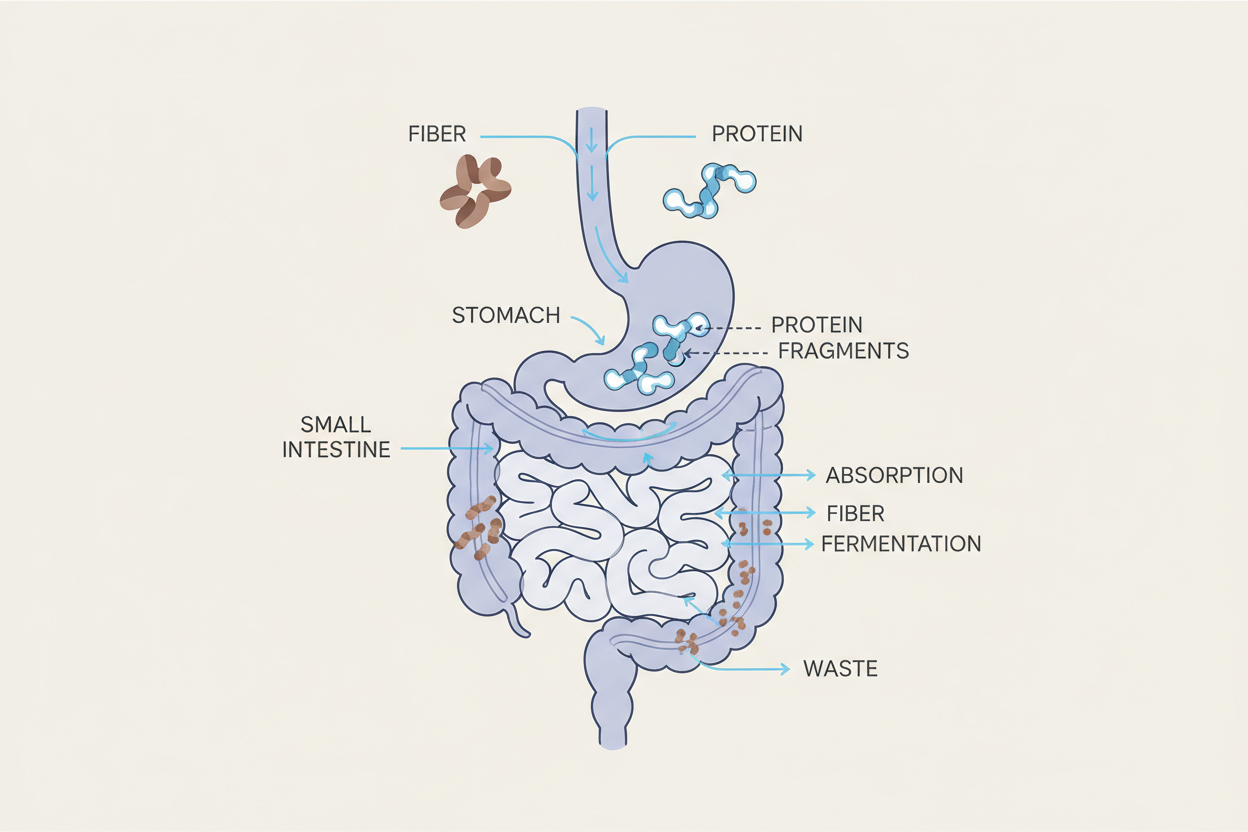
To better understand amino acid roles, it helps to see how they are absorbed and distributed:
https://getearthfuel.com/blogs/learn/how-amino-acids-are-absorbed
Understanding the difference between essential and non essential amino acids helps clarify how protein supports the body and why balanced nutrition matters more than focusing on individual ingredients.
This guide explains what essential and non essential amino acids are, how the body uses them, and how they fit into daily protein intake.
What Are Amino Acids
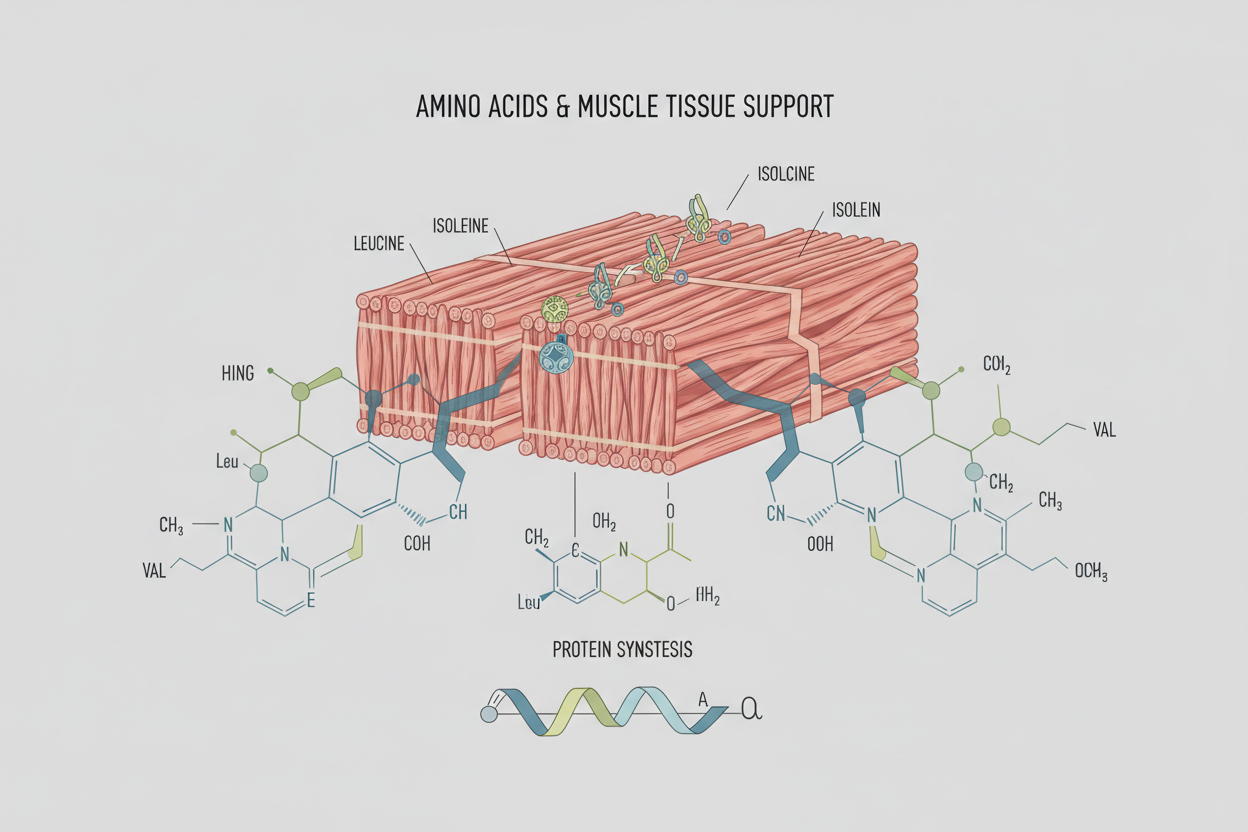
Amino acids are the building blocks of protein. When protein is digested, it is broken down into individual amino acids that the body can use for a wide range of normal biological processes.
These processes include:
-
Muscle maintenance
-
Enzyme production
-
Hormone signaling
-
Tissue repair
-
Normal metabolic function
The body relies on a steady supply of amino acids to support these ongoing needs.
What Are Essential Amino Acids
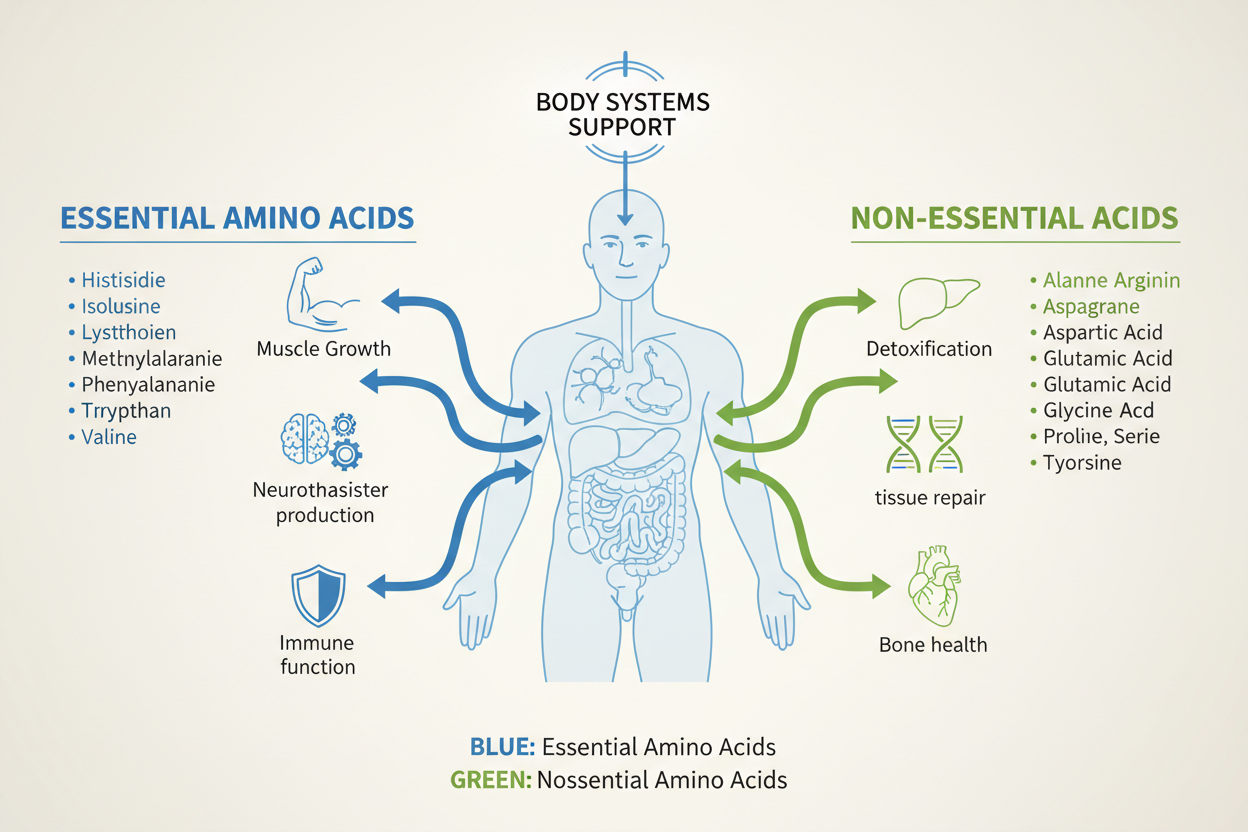
Essential amino acids are amino acids that the body cannot produce on its own. Because of this, they must be obtained from food.
There are nine essential amino acids, all of which are required for normal protein metabolism. If one essential amino acid is missing, the body cannot efficiently use the others for protein synthesis.
This is why essential amino acids are often discussed in relation to protein quality.
You can also explore how amino acids are used in the body after absorption:
https://getearthfuel.com/blogs/learn/protein-metabolism-explained-simply
What Are Non Essential Amino Acids
Non essential amino acids are amino acids that the body can produce internally when it has adequate building materials.
Despite the name, non essential amino acids are still important. They contribute to many normal functions, including:
-
Structural proteins
-
Enzyme activity
-
Cellular signaling
-
Tissue maintenance
The term non essential simply means the body can synthesize them, not that they are unnecessary.
Why Both Types Matter
Essential and non essential amino acids work together. The body does not prioritize one group over the other; it uses all available amino acids to support normal physiological processes.
A balanced supply of amino acids supports:
-
Efficient protein utilization
-
Normal muscle turnover
-
Ongoing tissue maintenance
-
Consistent metabolic activity
This balance comes from overall protein intake rather than isolated amino acid supplementation.
How the Body Uses Amino Acids Over Time
The body maintains an amino acid pool created from dietary protein consumed throughout the day.
Amino acids from this pool are used as needed rather than all at once. This means that protein intake does not need to provide every amino acid in perfect proportions at every meal.
Consistent intake over time helps maintain balance.
Essential Amino Acids and Protein Quality
Protein quality is often evaluated by how well it provides essential amino acids.
High quality protein sources supply all essential amino acids in sufficient amounts, either naturally or through complementary blending.
This is why well formulated plant based protein blends can support normal protein metabolism effectively.
Non Essential Amino Acids and Overall Nutrition
Non essential amino acids support many background processes that keep the body functioning smoothly.
Even though the body can produce them, adequate nutrition supports efficient synthesis. Balanced protein intake helps ensure both essential and non essential amino acids are available as needed.
Avoiding Common Misunderstandings
A common misconception is that only essential amino acids matter. In reality:
-
Both essential and non essential amino acids are required
-
Balance matters more than labels
-
Digestion and absorption influence availability
Understanding these distinctions helps make sense of protein choices without overcomplicating nutrition.
Part of the Nutrition Foundations Series
This article is part of our Nutrition Foundations series, where we explain how amino acids, digestion, and protein quality support normal body function.
👉 Visit the Nutrition Foundations hub to explore more articles in this series.
Related Articles in This Series
You may also find these helpful:
About Earth Fuel
Earth Fuel is built around one principle: simple protein. Nothing extra. We focus on clear formulation, ingredient transparency, and structural integrity across every stage of the protein lifecycle. Learn more about our approach and formulation philosophy on the
Earth Fuel homepage
FAQ
What makes an amino acid essential
Essential amino acids must come from food because the body cannot produce them.
Are non essential amino acids unimportant
No. Non essential amino acids still play important roles in normal body function.
Do you need all amino acids at every meal
No. The body uses amino acids from meals consumed throughout the day.
Can plant based proteins provide essential amino acids
Yes. Plant based proteins can provide essential amino acids, especially when sources are combined.
Does protein digestion affect amino acid availability
Yes. Amino acids must be digested and absorbed before they can be used.
Is amino acid balance more important than protein quantity
Both matter. Balance and digestion influence how effectively protein is used.

Written by Earth Fuel