Amino Acids and Cellular Communication
Cells communicate constantly to coordinate normal biological activity. This communication relies on signaling systems built from specific molecules, many of which are proteins. Because proteins are made from amino acids, amino acids play an indirect but essential role in how cells send and receive signals.
This article explains how amino acids relate to cellular communication in clear, foundational terms, focusing on structure and process rather than outcomes or effects.
What Cellular Communication Means
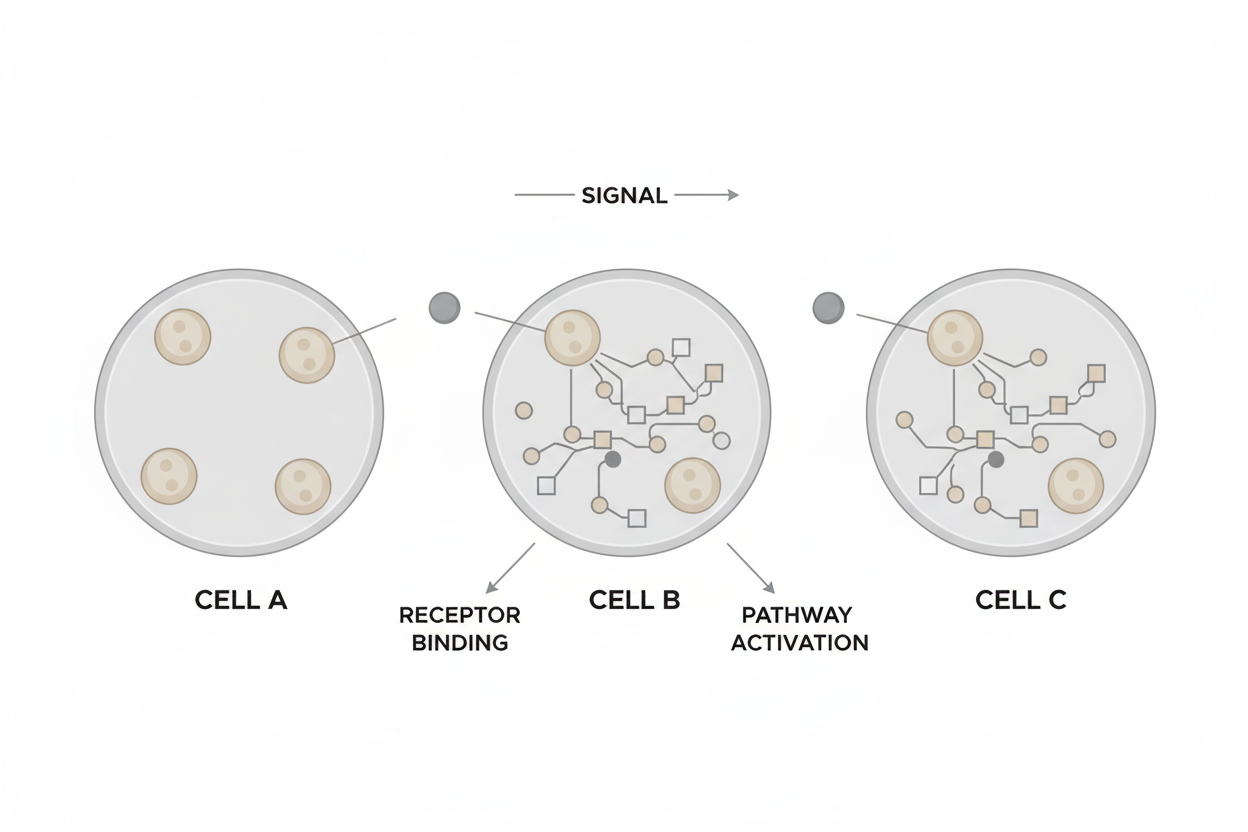
Cellular communication refers to how cells send information to one another.
Signals can travel short or long distances and help coordinate normal processes across tissues and systems. These signals are received by cells through specialized structures that recognize and respond to specific molecular shapes.
Proteins are central to many of these signaling pathways.
Amino Acids as Building Blocks for Signaling Proteins
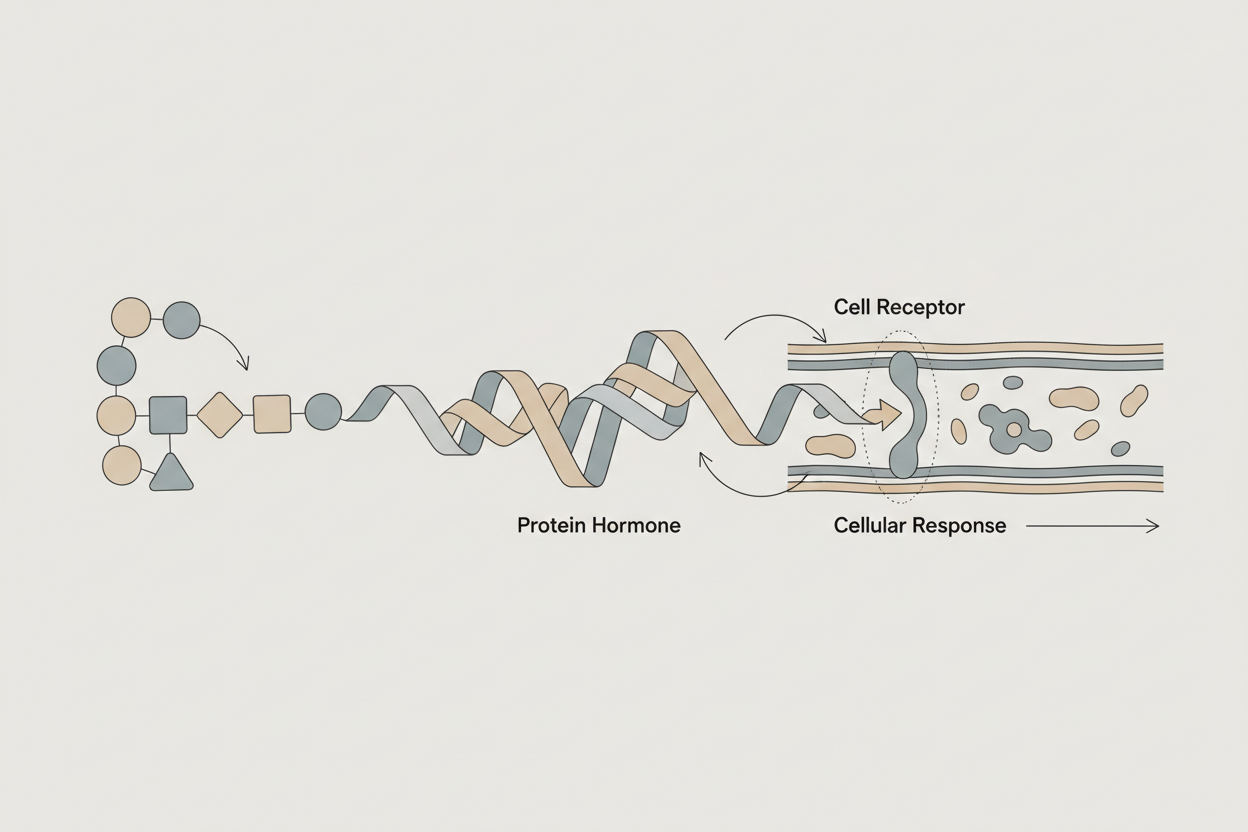
Many signaling molecules are proteins or peptides.
Amino acids are assembled into these signaling proteins according to genetic instructions. The specific sequence and structure of amino acids determine how a signaling protein interacts with receptors on or within cells.
Amino acids make cellular communication possible by enabling the construction of these signaling components.
Receptors and Amino Acid Structure
Cells receive signals through receptors, many of which are proteins.
These receptors have precise shapes that allow them to recognize specific signaling molecules. Both the signal and the receptor depend on amino acid sequences to form structures that fit together correctly.
This structural compatibility is a key feature of normal cellular communication.
Communication Is Regulated and Continuous
Cellular communication is tightly regulated.
Signals are produced, transmitted, received, and cleared as part of ongoing biological regulation. Amino acids support this process by allowing signaling proteins and receptors to be produced, maintained, and replaced over time.
This continuous renewal helps maintain stability across cellular systems.
Communication Happens Across Many Systems
Cellular communication occurs throughout the body.
Different tissues use different signaling proteins, but the underlying process is consistent. Amino acids are assembled into proteins that participate in communication pathways across multiple systems simultaneously.
This widespread use highlights the foundational role of amino acids in biological coordination.
How This Fits Into Protein Fundamentals
Understanding cellular communication expands the picture of how amino acids support normal biological organization.
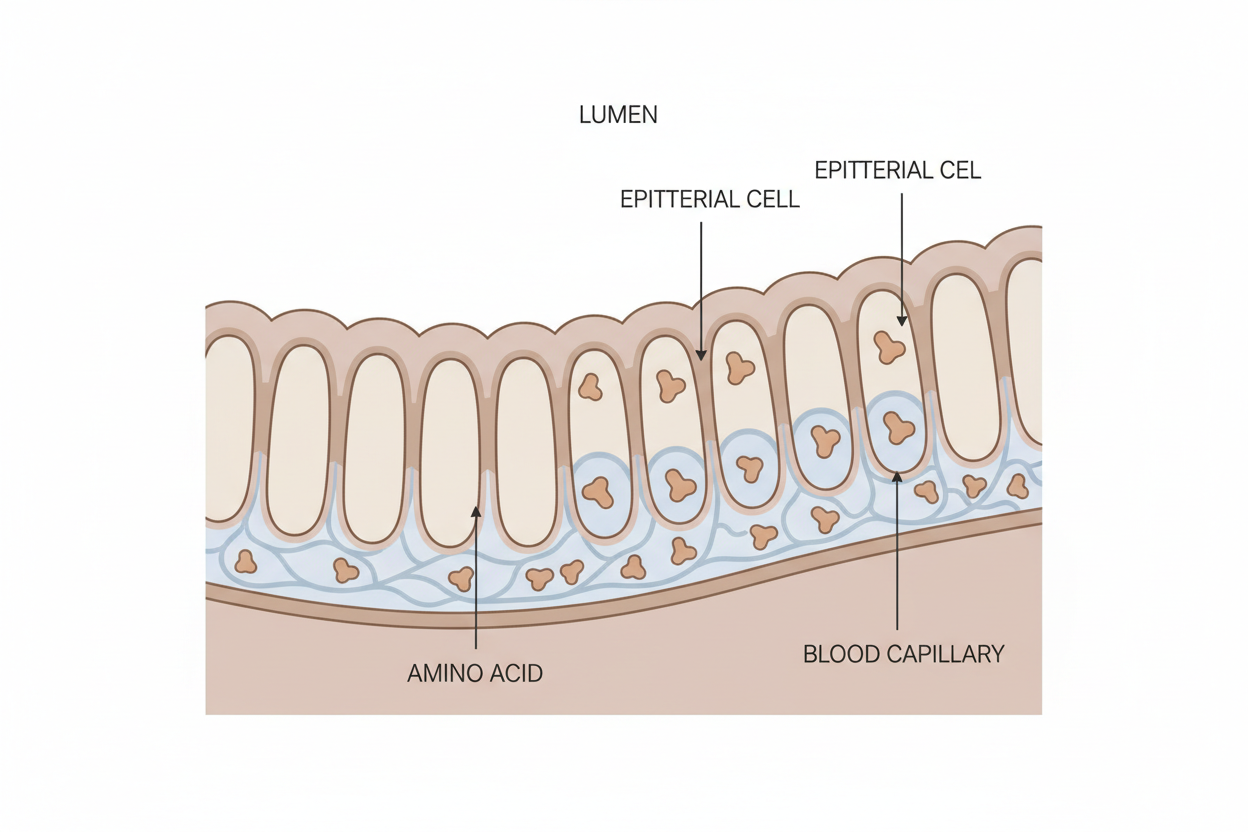
Protein Fundamentals explains how amino acids move from digestion into circulation and then into functional proteins. Signaling and communication proteins represent another category of how amino acids are used beyond structure and enzymes.
This explanation remains focused on process and organization rather than outcomes.
Part of the Nutrition Foundations Series
This article is part of our Nutrition Foundations series, where we explain how different macronutrients are digested and used by the body.
👉 Visit the Nutrition Foundations hub to explore more articles in this series.
Related Articles in This Series
About Earth Fuel
Earth Fuel is built around one principle: simple protein. Nothing extra. We focus on clear formulation, ingredient transparency, and structural integrity across every stage of the protein lifecycle. Learn more about our approach and formulation philosophy on the
Earth Fuel homepage
Frequently Asked Questions
Q: Do amino acids send signals on their own
A: No. Amino acids support communication by forming proteins that act as signals or receptors.
Q: Are all signaling molecules proteins
A: No. Some signals are made from other types of molecules, but many rely on proteins.
Q: Does cellular communication stop when protein intake changes
A: No. Communication is regulated internally and continues as part of normal biology.
Q: Are signaling proteins permanent
A: No. They are produced and replaced over time as part of normal cellular maintenance.
Q: Does this article describe signaling effects
A: No. It focuses on structure and communication pathways, not outcomes.
Q: Is cellular communication the same as metabolism
A: No. Communication coordinates processes, while metabolism refers to chemical activity within cells.

Written by Earth Fuel