Understanding Plant Protein Blends
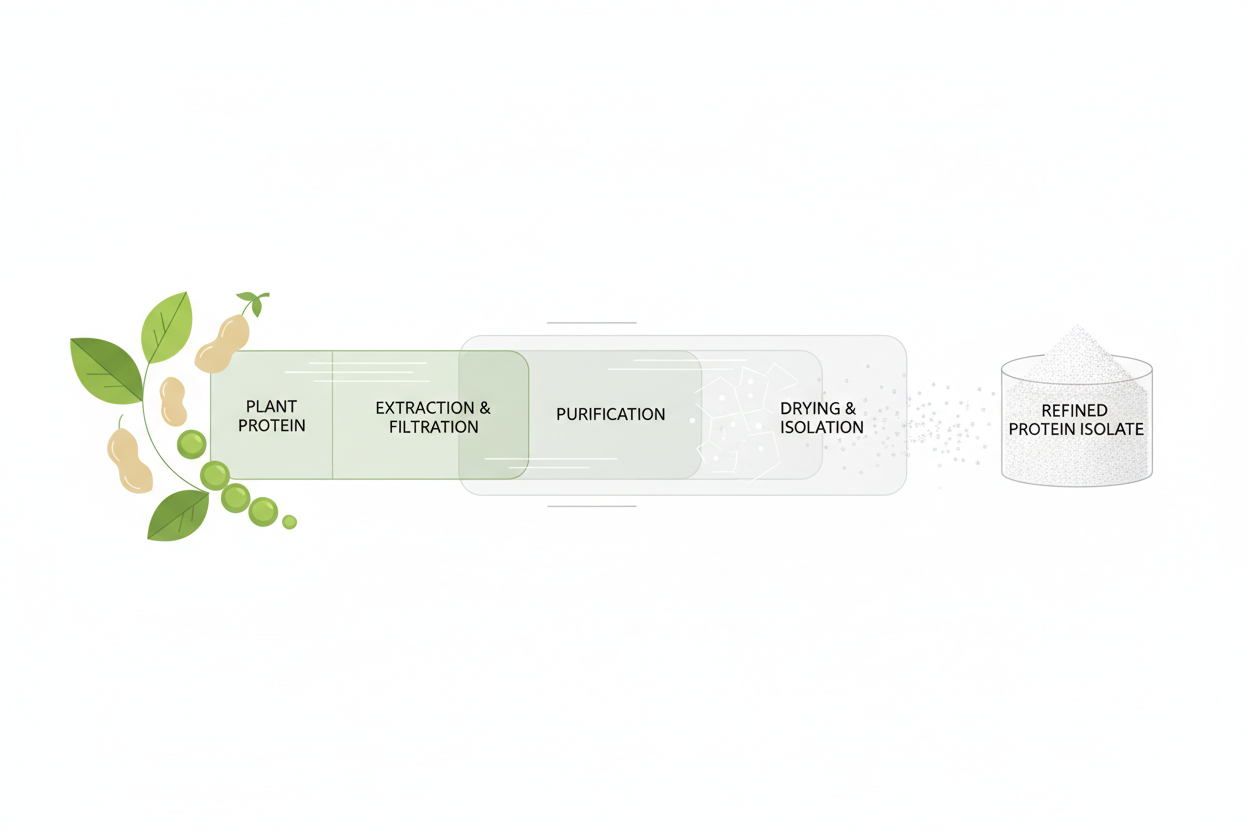
Plant protein blends are created by combining multiple plant protein sources into a single ingredient system. Understanding these blends from a mechanical perspective focuses on how different protein sources are selected, combined, and structured within a formulation.
All plant proteins are composed of amino acids arranged in chains. Each plant source contains its own amino acid distribution, which contributes to its structural identity.
Blending allows multiple plant protein sources to be brought together into one formulation. This process is based on composition and structure rather than assumptions or simplified comparisons.
This article explains plant protein blends using neutral, science based language focused on sourcing, composition, and formulation.
What Plant Protein Blends Are
A plant protein blend is a combination of two or more plant protein sources.
These sources may include seeds, legumes, or grains, each contributing its own structural and compositional characteristics.
The purpose of blending is to combine different protein ingredients into a single system that reflects the properties of each component.
Blends are commonly used in formulations where multiple plant protein sources are incorporated together.
Understanding blends begins with recognizing that they are structured combinations of individual protein ingredients.
Why Plant Proteins Are Combined
Plant proteins are combined to create a formulation that includes multiple amino acid distributions and ingredient characteristics.
Each plant protein source contains a unique amino acid profile. By combining sources, these profiles are brought together within a single ingredient system.
This process is based on composition rather than modification of the protein itself.
Blending does not change the amino acids, but it changes how they are represented within the overall ingredient.
Understanding why proteins are combined helps explain how blends are structured.
How Blending Works Mechanically
Blending involves physically combining plant protein ingredients in specific proportions.
These proportions are determined during formulation and define how each protein source contributes to the final ingredient.
The process does not alter the underlying amino acids. Instead, it creates a composite profile based on the included sources.
A deeper explanation of how protein sources differ can be found here:
plant protein between different sources
Understanding blending mechanics helps clarify how plant protein blends are formed.
Composition of Blended Proteins
The composition of a plant protein blend reflects the combined characteristics of its individual components.
Each protein source contributes its own structure, amino acid distribution, and processing background.
The resulting blend is a representation of these combined elements.
This composition can be analyzed based on the proportions and types of protein included.
Understanding composition provides insight into how blends are evaluated.
Comparing Blends to Single Sources
Plant protein blends differ from single source proteins in that they incorporate multiple structural profiles.
A single source protein reflects the characteristics of one plant material, while a blend reflects the combined characteristics of multiple sources.
Both forms are broken down into amino acids after digestion and follow the same biological pathways.
The distinction lies in how the protein is structured before consumption.
Understanding this difference helps clarify how blends are compared.
Part of the Protein Science Foundations Series
This article is part of the Earth Fuel Protein Science Foundations series, where we explore how protein functions within modern nutrition.
The series focuses on protein structure, sourcing, and how protein ingredients are used in formulation systems.
Related Articles in This Series
Plant Protein Explained for Beginners
Plant Protein Compared Without Bias
What Protein Quality Really Means
Price vs Quality in Protein Powders
Why Cheaper Protein Is Not Always Better
About Earth Fuel
Earth Fuel is built around one principle: simple protein. Nothing extra. We focus on clean ingredients, transparent sourcing, and clear formulation practices across every stage of the protein lifecycle. Learn more about the formulation and ingredients behind Earth Fuel plant protein powder:
Frequently Asked Questions
What is a plant protein blend
It is a combination of two or more plant protein sources in a single formulation.
Why are plant proteins blended
They are combined to bring together different amino acid profiles and ingredient characteristics.
Does blending change amino acids
No. It combines existing amino acid profiles without altering them.
Are blends different from single source proteins
Yes. Blends include multiple protein sources, while single source proteins come from one material.
Do blends function differently after digestion
All proteins are broken down into amino acids and follow the same biological pathways.

Written by Earth Fuel