Plant Protein Explained for Beginners
Plant protein has become an increasingly common part of modern nutrition, especially as more people explore different ways to meet their daily protein needs. Protein is an essential nutrient that provides amino acids used throughout the body for structural and metabolic functions.
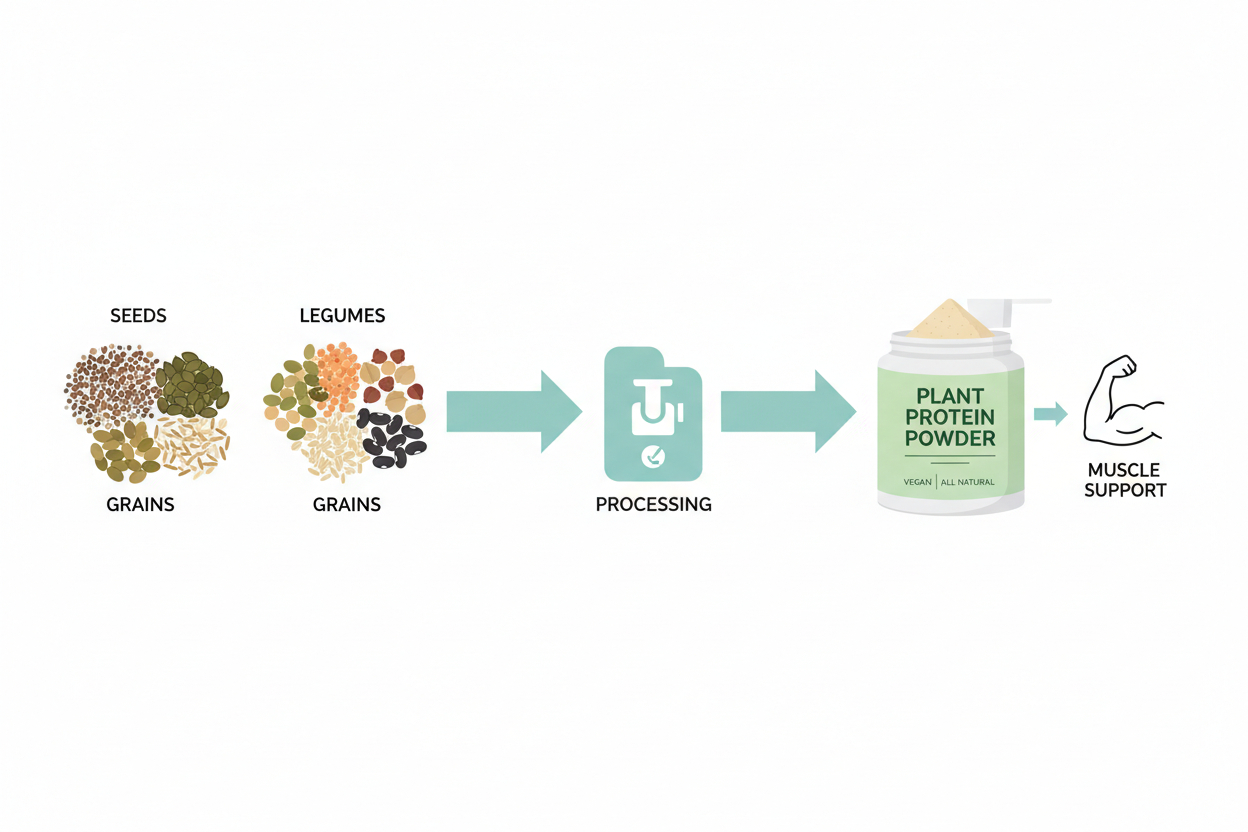
Plant protein refers to protein that is derived from plant sources rather than animal based sources. These sources may include seeds, legumes, grains, or other plant materials that naturally contain protein.
Understanding plant protein is an important first step for anyone beginning to explore protein powders or plant based nutrition options.
This article explains plant protein for beginners using neutral, science based language. The focus remains on basic concepts, protein structure, and how plant protein fits into nutrition rather than performance claims.
What Plant Protein Is
Plant protein is protein that originates from plant based sources.
All proteins, regardless of source, are made up of amino acids. These amino acids are linked together in chains that form the structure of the protein.
When plant based foods are processed to create protein ingredients, the protein portion is separated and concentrated into a usable form such as a powder.
Once consumed, plant protein is broken down during digestion into amino acids that can be absorbed and used by the body.
Understanding that plant protein and animal protein share the same basic structure helps clarify how protein functions within nutrition.
Common Sources of Plant Protein
Plant protein can come from a variety of sources.
Some of the most common sources include:
• seeds
• legumes
• grains
Each source contains protein along with other naturally occurring components such as carbohydrates, fats, and fiber.
These plant materials are processed to isolate the protein portion and create protein ingredients used in products like protein powders.
Different plant sources have different structural characteristics, which influence how the protein behaves in formulations.
Understanding these sources helps provide context for how plant protein ingredients are produced.
How Plant Protein Is Used in Protein Powders
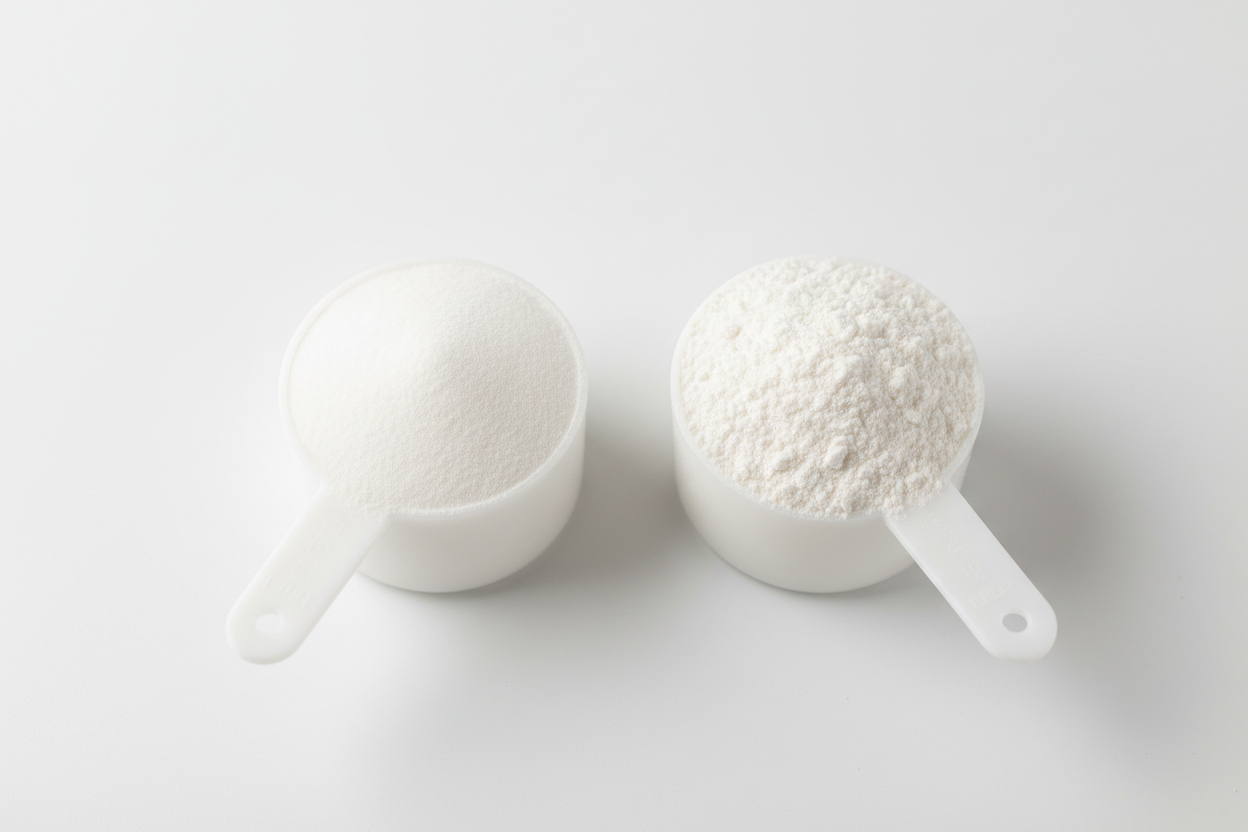
Plant protein ingredients are commonly used in protein powders.
During production, plant materials are processed to separate the protein portion from other components. The resulting ingredient is then refined into a powder that can be used in formulations.
Protein powders are multi ingredient systems that may include additional components alongside the protein source.
These formulations are designed to create a consistent product that can be mixed into liquids and consumed as a beverage.
Plant protein powders provide a way to incorporate plant based protein into daily nutrition in a convenient form.
Understanding how plant protein is used in protein powders helps clarify how these products are designed.
Plant Protein and Digestion
Protein digestion is a process that occurs in stages.
After consumption, protein is broken down into smaller components by digestive enzymes. These components are eventually separated into individual amino acids.
Once amino acids are released, they are absorbed through the small intestine and enter circulation.
Plant protein follows the same general digestive pathway as other protein sources, although structural differences may influence how the process occurs.
Understanding digestion helps clarify how plant protein is processed within the body.
Plant Protein in Modern Nutrition
Plant protein is increasingly used in modern nutrition products.
As interest in plant based nutrition grows, protein powders and other products have expanded to include plant derived protein ingredients.
These products are part of a broader shift toward exploring different protein sources and formulation approaches.
Earth Fuel plant protein powder reflects this approach by focusing on plant based ingredients and simple formulation practices designed to emphasize ingredient clarity.
Understanding plant protein helps provide a foundation for exploring protein powders and plant based nutrition.
Part of the Protein Science Foundations Series
This article is part of the Earth Fuel Protein Science Foundations series, where we explain how protein functions within modern nutrition.
The series explores protein structure, digestion, ingredient sourcing, and how different protein sources contribute to dietary protein intake.
Related Articles in This Series
Protein Basics Most People Never Learn
What Protein Quality Really Means
Price vs Quality in Protein Powders
Why Cheaper Protein Is Not Always Better
Protein Powder Quality Signals Explained
About Earth Fuel
Earth Fuel is built around one principle: simple protein. Nothing extra. We focus on clean ingredients, transparent sourcing, and clear formulation practices across every stage of the protein lifecycle. Learn more about the formulation and ingredients behind Earth Fuel plant protein powder.
Frequently Asked Questions
What is plant protein
Plant protein is protein derived from plant sources such as seeds, legumes, or grains.
Do plant proteins contain amino acids
Yes. Plant proteins contain amino acids that are released during digestion.
Is plant protein the same as animal protein
All proteins are made of amino acids, although plant and animal proteins come from different sources.
How is plant protein used in protein powders
Plant protein is extracted and processed into a powder that can be used in protein formulations.
Does plant protein work the same in the body
Once digested into amino acids, plant protein supports the same biological processes as other protein sources.

Written by Earth Fuel