Protein Basics Most People Never Learn
Protein is one of the most discussed nutrients, yet many of its foundational concepts are often simplified or overlooked. While protein is commonly associated with muscle, its structure, classification, and role in the body are more complex than most basic explanations suggest.
This article explains protein using clear, foundational language. The focus is on structure, classification, and how protein is defined, rather than outcomes, recommendations, or performance claims.
What Protein Is Made Of
Protein is composed of smaller units called amino acids.
Amino acids are organic compounds that combine in specific sequences to form proteins. Each protein has a unique structure based on the order and type of amino acids it contains.
There are multiple amino acids involved in human nutrition, including essential and non essential amino acids. These amino acids form the structural basis of all proteins found in food and in the body.
Protein is defined by this structure rather than by function alone.
Essential and Non Essential Amino Acids
Amino acids are grouped into categories based on how they are obtained.
Essential amino acids cannot be produced by the body and must be obtained through dietary sources. Non essential amino acids can be synthesized by the body.
Protein sources differ in how they contain and distribute these amino acids. Some contain all essential amino acids, while others contain only a portion.
This classification is based on composition, not effectiveness.
Protein Structure Levels
Protein exists in multiple structural levels.
Primary structure refers to the sequence of amino acids. Secondary and tertiary structures describe how the protein folds into specific shapes. Quaternary structure refers to how multiple protein chains interact.
These structural levels determine how protein behaves physically and chemically. Structure is a defining characteristic of protein and is used to classify and study it.
Protein Is Not a Single Substance
Protein is not one uniform material.
Different protein sources contain different amino acid sequences and structures. For example, plant proteins and animal proteins differ in composition, processing, and physical characteristics.
These differences are part of how protein is categorized and understood.
Protein should be viewed as a broad category rather than a single standardized substance.
Protein in Food Sources
Protein is found in a wide range of foods.
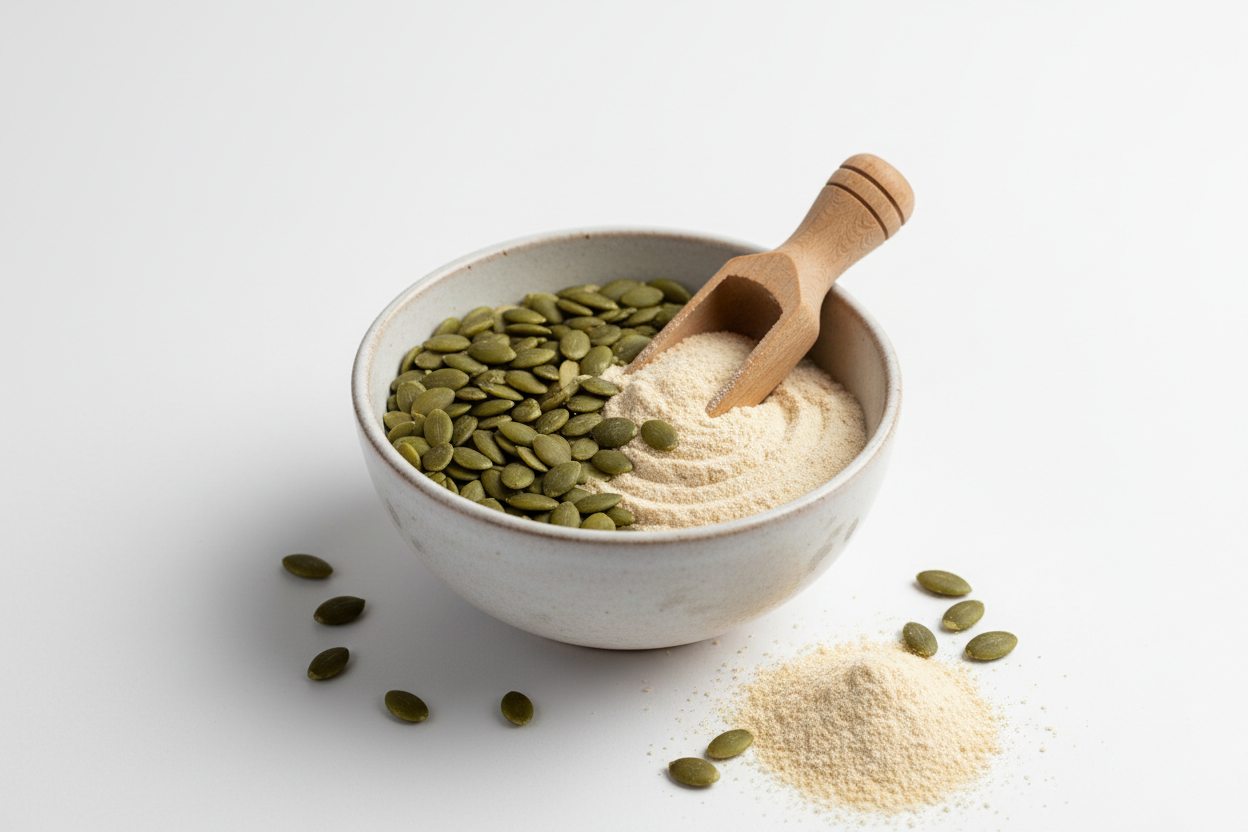
These include animal based sources such as meat, eggs, and dairy, as well as plant based sources such as legumes, seeds, and grains. Each source provides protein with its own composition and characteristics.
Processing methods can also influence how protein appears in finished products, including powders, concentrates, and isolates.
This variation contributes to how protein is classified across food systems.
Protein Digestion Overview
Protein is broken down during digestion into amino acids.
This process occurs through enzymatic activity in the digestive system. Once broken down, amino acids become available for absorption.
Protein digestion is a structured biological process and is separate from how protein is classified or measured before consumption.
Understanding this distinction helps separate definition from function.
Protein Is Defined Before It Is Used
Protein classification occurs before digestion.
Amino acid composition, structure, and digestibility are evaluated at the ingredient level. These characteristics are used to describe protein before it is consumed.
Once protein is digested, it is no longer classified as protein but as individual amino acids.
This distinction is important when understanding how protein is studied and described.
How This Fits Into Protein Fundamentals
Protein Fundamentals explains how protein is structured, categorized, and processed from source to digestion.
This article provides a foundational overview of protein composition and structure, helping clarify how protein is defined before it is used by the body.
It supports a broader understanding of protein without introducing claims or recommendations.
Part of the Nutrition Foundations Series
This article is part of our Nutrition Foundations series, where we explain how different macronutrients are defined and understood at a foundational level.
About Earth Fuel
Earth Fuel is built around one principle: simple protein. Nothing extra. We focus on clean ingredients, transparent sourcing, and clear formulation practices across every stage of the protein lifecycle. Learn more about our formulation philosophy on the Earth Fuel plant protein powder.
Related Articles in This Series
Protein Powder Quality Signals Explained
How to Evaluate Ingredient Lists
Protein Ingredient Labeling Explained
Pumpkin Seed Protein Amino Acid Profile
Ingredient Lists vs Marketing Language
Frequently Asked Questions
Q: What are proteins made of
A: Proteins are made of amino acids arranged in specific sequences.
Q: What are essential amino acids
A: Essential amino acids are amino acids that must be obtained through diet.
Q: Is protein one single substance
A: No. Protein is a broad category made up of many different structures and sources.
Q: Does protein structure matter
A: Yes. Protein structure defines how it is classified and studied.
Q: Is protein the same in all foods
A: No. Different food sources contain proteins with different compositions.
Q: Does this article provide recommendations
A: No. This article explains protein structure and classification only.

Written by Earth Fuel