Why Cheaper Protein Is Not Always Better
Protein powders are often compared based on price, with lower cost products appearing more appealing at first glance. However, price alone does not describe how a protein powder is structured, sourced, or formulated.
This article explains why lower priced protein powders are not always directly comparable to others using clear, foundational language. The focus is on composition, ingredient structure, and manufacturing variables rather than outcomes, recommendations, or performance claims.
What Lower Price Represents
Lower price is a numerical value that reflects a combination of production inputs.
These inputs may include raw materials, sourcing practices, processing methods, and formulation choices. A lower price does not describe the full structure of a product. It represents cost, not composition.
Understanding this distinction helps separate price from how a product is defined.
Ingredient Composition and Cost
Protein powders differ in ingredient composition.
Some formulations include a smaller number of defined ingredients, while others include additional components such as fillers, binders, or flavoring systems. These differences can influence how a product is categorized and produced.
Examining ingredient lists provides insight into composition, as outlined in How to Evaluate Ingredient Lists.
Lower cost does not necessarily indicate how ingredients are structured within a formulation.
Additives and Formulation Structure
Additives are often used in protein powders to affect texture, mixing behavior, and stability.
These may include gums, emulsifiers, and other formulation components. The presence or absence of these ingredients contributes to how a product is defined.
Understanding how these components are used is explained in Protein Powder Additives Explained.
Additives are part of formulation structure and do not directly define price.
Processing Methods and Variability
Processing methods can influence how protein powders are produced.
Different filtration, drying, and blending processes are used across products. These processes may affect manufacturing cost and physical characteristics such as particle size and flow.
Processing is one of several variables that contribute to price differences.
Transparency and Ingredient Clarity
Transparency refers to how clearly a product’s ingredients and formulation are described.
Some products provide detailed ingredient information, while others use broader or less specific labeling. Transparency helps define how a product is presented and understood.
Evaluating transparency is discussed in How to Evaluate Protein Powder Transparency.
Transparency and price are separate characteristics.
Lower Price Does Not Define Product Structure
Lower price does not determine how a protein powder is structured.
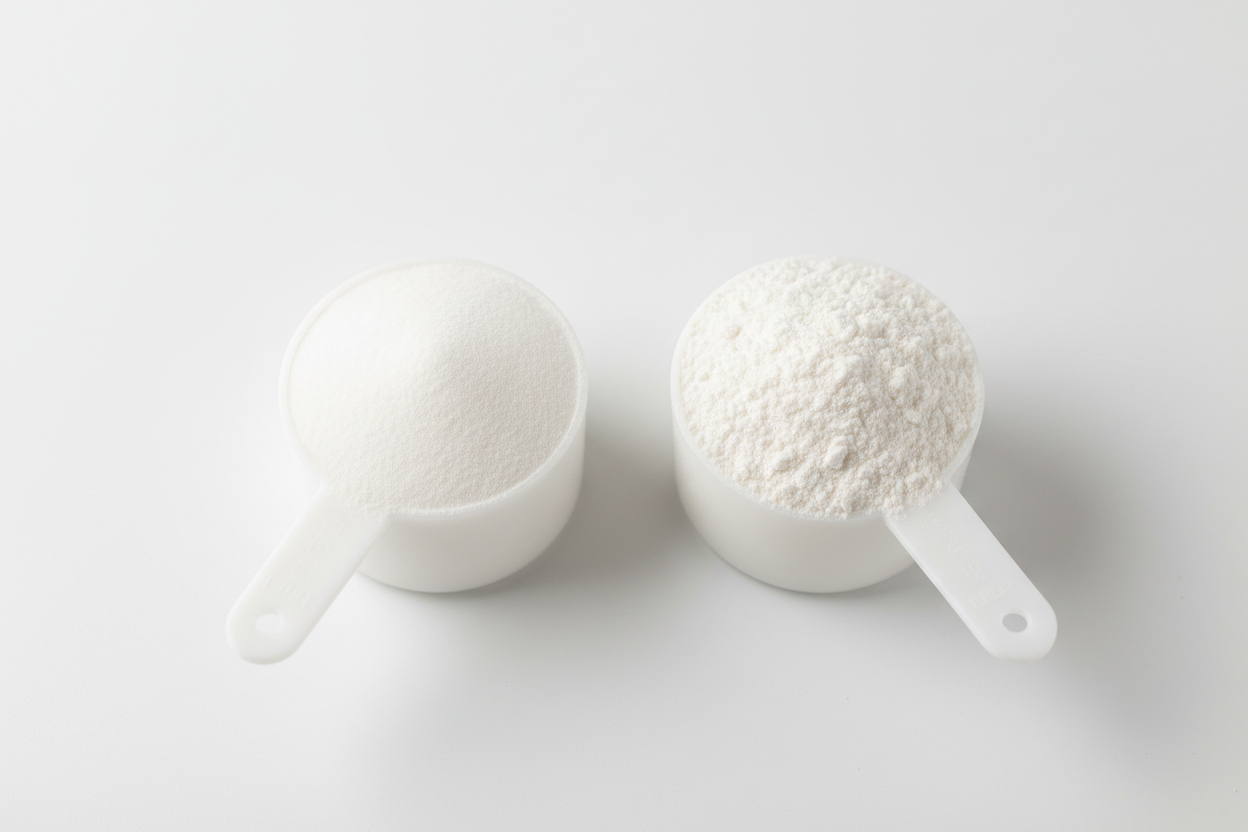
A product may be lower in price due to sourcing, scale, or manufacturing efficiencies. It may also differ in formulation complexity or ingredient selection.
Price alone does not describe these differences.
Manufacturing Consistency
Consistency refers to how uniform a product remains across production batches.
Manufacturing controls are used to maintain defined specifications such as texture, moisture level, and appearance. These controls contribute to how a product is produced.
Consistency is a structural concept and is independent of price.
How This Fits Into Protein Fundamentals
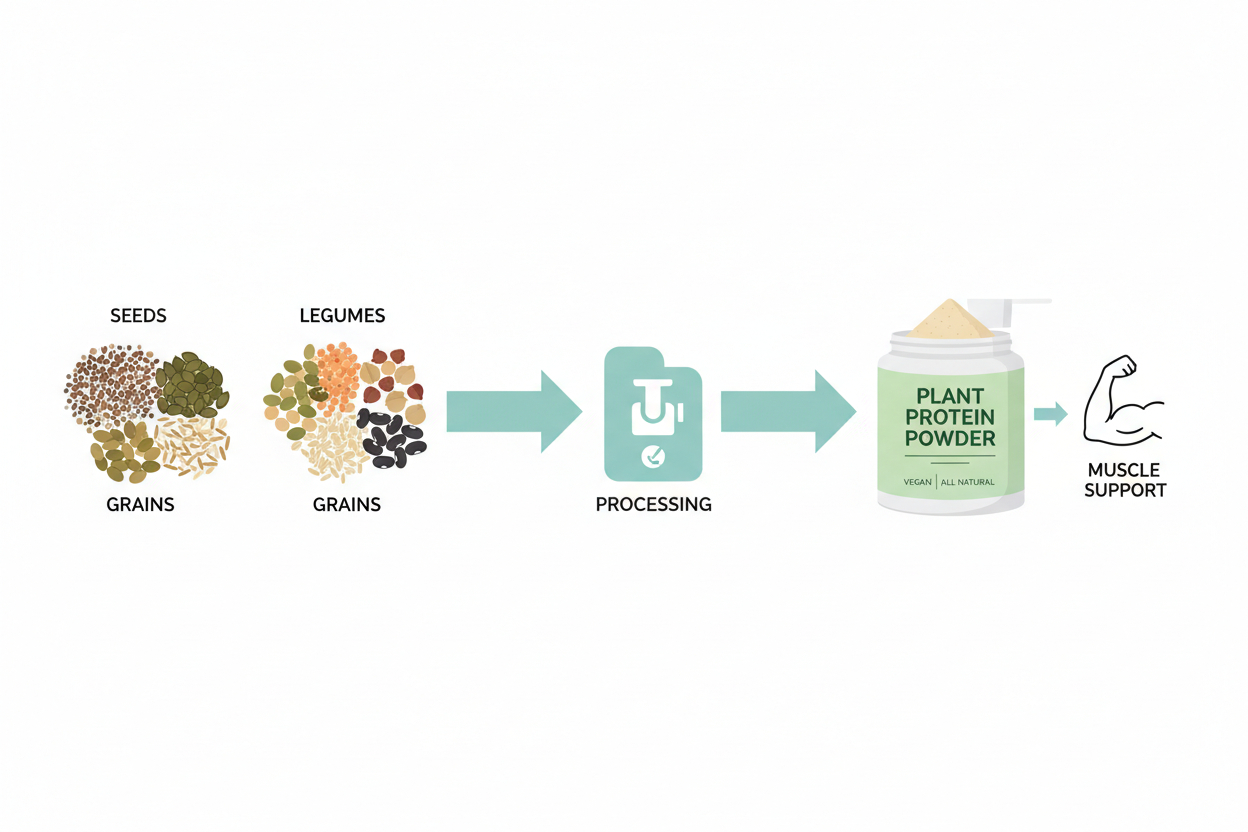
Protein Fundamentals explains how protein is sourced, processed, and categorized.
This article contributes by explaining how price differences relate to formulation structure and production variables. It focuses on classification and composition without introducing claims.
This maintains a clear separation between definition and outcome.
Part of the Nutrition Foundations Series
This article is part of our Nutrition Foundations series, where we explain how macronutrients and formulations are defined using foundational concepts.
Visit the Nutrition Foundations hub to explore more articles in this series.
About Earth Fuel
Earth Fuel is built around one principle: simple protein. Nothing extra. We focus on clean ingredients, transparent sourcing, and clear formulation practices across every stage of the protein lifecycle. Learn more about our formulation philosophy on the Earth Fuel plant protein powder.
Related Articles in This Series
How to Evaluate Ingredient Lists
Protein Powder Additives Explained
Ingredient Lists vs Marketing Language
How to Evaluate Protein Powder Transparency
Protein Powder Quality Signals Explained
Frequently Asked Questions
Q: Does cheaper protein mean lower quality
A: Not necessarily. Price reflects multiple factors and does not define formulation structure.
Q: Why are some protein powders less expensive
A: Price differences can result from sourcing, processing, and manufacturing scale.
Q: Do additives affect protein powder price
A: Additives contribute to formulation complexity but do not determine price alone.
Q: Is transparency related to price
A: Transparency and price are separate characteristics.
Q: Can two protein powders have similar prices but different structures
A: Yes. Products can differ in formulation even if priced similarly.
Q: Does this article recommend specific products
A: No. This article explains structural and pricing concepts only.

Written by Earth Fuel