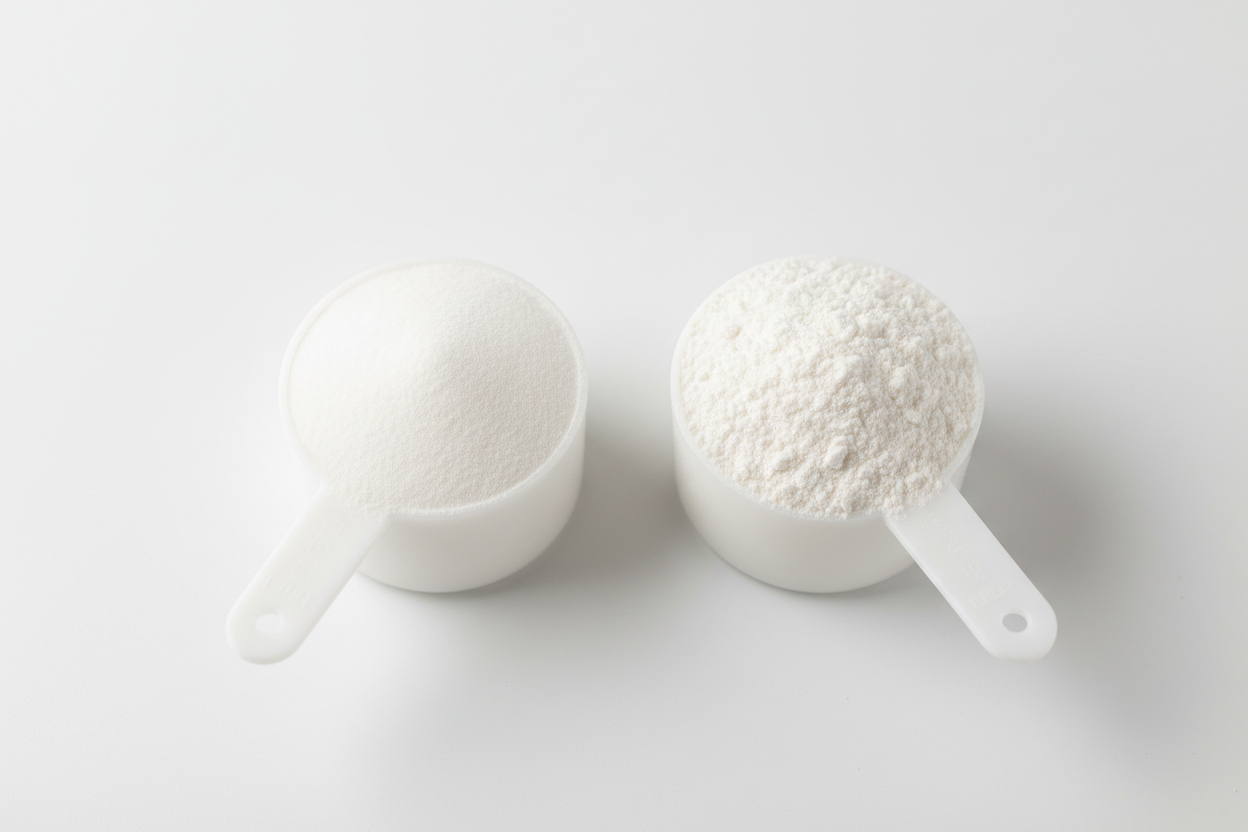
What Protein Quality Really Means
Protein quality refers to how a protein source is defined in terms of structure, composition, and measurable characteristics. It is a descriptive concept used to compare protein sources based on amino acid composition, digestibility metrics, and standardized evaluation methods.
This article explains protein quality using clear, foundational language. The focus is on definitions and measurable properties rather than outcomes, recommendations, or performance claims.
What Protein Quality Means
Protein quality describes how a protein is characterized using defined evaluation criteria.
These criteria typically include amino acid composition and digestibility. Protein quality does not refer to taste, branding, or product positioning. It is a technical concept used to compare protein sources based on structure and measurable attributes.
Different protein sources may be described as having different quality levels depending on how they meet these criteria.
Amino Acid Composition and Completeness
Protein is composed of amino acids. These include essential amino acids and non essential amino acids.
Essential amino acids cannot be produced by the body and must be obtained from dietary sources. A protein is often described as complete when it contains all essential amino acids.
Protein quality definitions frequently include whether a protein contains all essential amino acids and how those amino acids are proportioned within the protein structure.
This classification is based on composition rather than function.
Digestibility as a Measurement Factor
Digestibility refers to how protein is broken down during digestion and how much is absorbed.
Protein quality is often evaluated using standardized digestibility measurements. These measurements estimate how much of the consumed protein becomes available after digestion.
Digestibility values are used for comparison purposes and are part of how protein sources are categorized.
Standardized Protein Quality Measures
Several systems are used to evaluate protein quality.
These systems are based on amino acid requirements and digestibility data. They provide a way to compare protein sources using consistent criteria.
Examples include scoring methods that combine amino acid composition with digestibility values to produce a standardized measurement.
These systems are descriptive tools and do not represent outcomes or recommendations.
Differences Between Protein Sources
Different protein sources may vary in amino acid composition and digestibility.
Some protein sources contain all essential amino acids in balanced proportions. Others may contain all essential amino acids but in different ratios. Some may lack one or more essential amino acids.
These differences are part of how protein quality is defined and compared.
Protein Quality and Processing
Processing methods can influence measurable properties of protein.
Processing may affect physical structure, particle size, or digestibility characteristics. However, processing does not change the fundamental amino acid composition of the protein itself.
Protein quality definitions account for these measurable differences without assigning value judgments.
Protein Quality Does Not Describe Outcomes
Protein quality is a descriptive classification, not a performance indicator.
It does not predict how a protein will perform in a specific situation. It does not guarantee results or outcomes. It is used to describe measurable characteristics of protein sources under standardized conditions.
Separating definition from outcome helps maintain clarity in how protein is evaluated.
How This Fits Into Protein Fundamentals
Protein Fundamentals explains how protein is structured, processed, and used in the body.
Protein quality adds another layer to this understanding by describing how protein sources are categorized and compared before consumption. It connects composition and measurement without introducing claims.
This keeps the focus on structure, classification, and standardized evaluation.
Part of the Nutrition Foundations Series
This article is part of our Nutrition Foundations series, where we explain how different macronutrients are defined, processed, and understood at a foundational level.
About Earth Fuel
Earth Fuel is built around one principle: simple protein. Nothing extra. We focus on clean ingredients, transparent sourcing, and clear formulation practices across every stage of the protein lifecycle. Learn more about our formulation philosophy on the Earth Fuel plant protein powder.
Related Articles in This Series
Protein Powder Additives Explained
Protein Basics Most People Never Learn
How to Read a Protein Powder Label
Ingredient Lists vs Marketing Language
How to Evaluate Protein Powder Transparency
Frequently Asked Questions
Q: What does protein quality mean
A: Protein quality refers to how a protein is defined based on amino acid composition and digestibility measurements.
Q: Does protein quality refer to taste or branding
A: No. Protein quality is a technical classification based on measurable properties.
Q: What makes a protein complete
A: A protein is considered complete when it contains all essential amino acids.
Q: Does processing change protein quality
A: Processing can influence measurable properties but does not change amino acid composition.
Q: Does protein quality predict results
A: No. It describes characteristics and measurements, not outcomes.
Q: Are all proteins considered equal in quality
A: No. Protein sources differ in composition and digestibility, which affects how they are classified.

Written by Earth Fuel