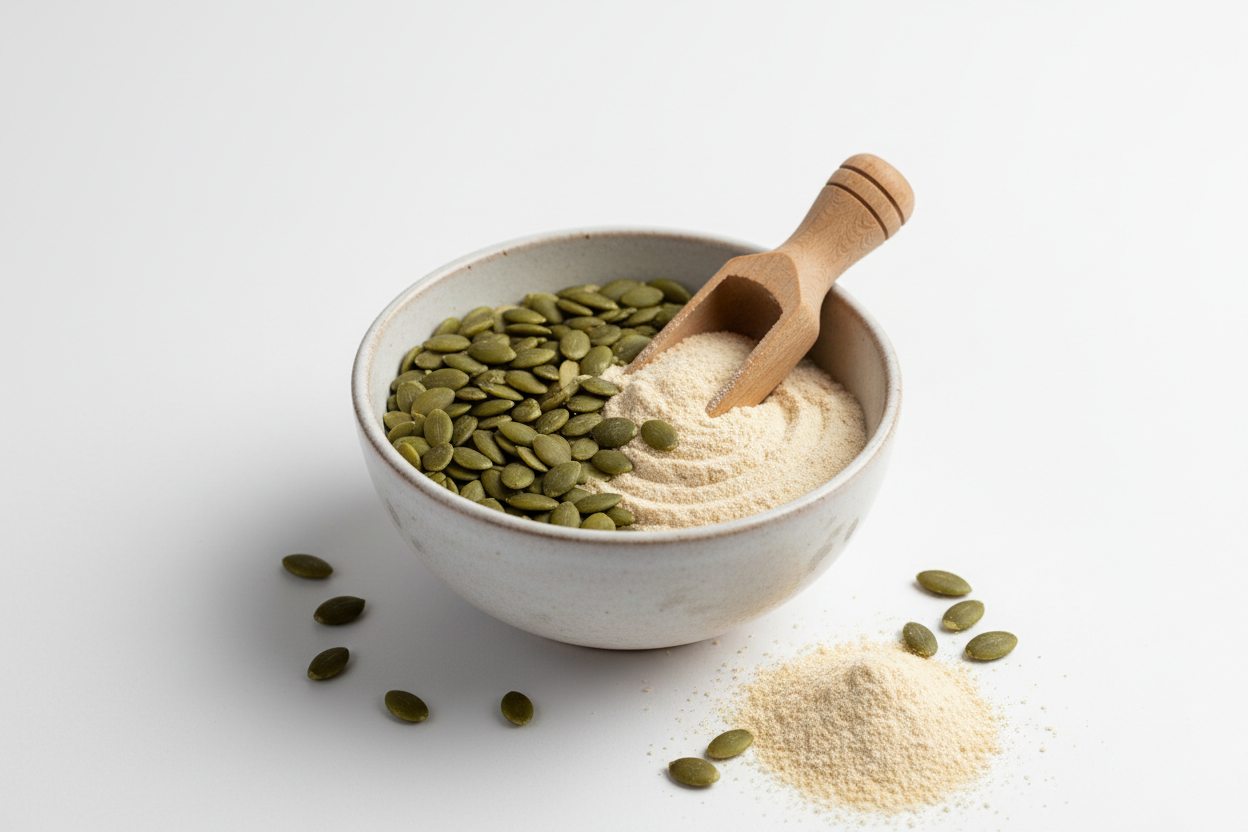
Price vs Quality in Protein Powders
Protein powders are often compared based on price, but price alone does not describe how a product is formulated or what it contains. Price and quality are separate characteristics, and understanding the distinction requires looking at how protein powders are structured, sourced, and produced.
This article explains the relationship between price and quality in protein powders using clear, foundational language. The focus is on composition, ingredient structure, and cost factors rather than outcomes, recommendations, or performance claims.
What Price Represents in Protein Powders
Price reflects multiple components beyond the protein itself.
These components can include raw materials, processing methods, packaging, sourcing practices, and manufacturing controls. The price of a protein powder is not determined by a single factor, but by a combination of inputs that contribute to the final product.
Price is a numerical value, not a direct indicator of composition or structure.
What Quality Means in This Context
Quality refers to how a protein powder is defined based on measurable and observable characteristics.
These characteristics may include ingredient transparency, consistency, processing methods, and formulation structure. Quality does not refer to branding or positioning, but to how the product is constructed and described.
Understanding quality requires examining the ingredient level, which is explored further in Protein Ingredient Labeling Explained.
Price and Ingredient Composition
Protein powders vary in ingredient composition.
Some products contain a small number of defined ingredients, while others include multiple additives, flavoring agents, or fillers. Ingredient composition contributes to how a product is categorized, but it does not always align directly with price.
Comparing ingredient lists is one way to understand differences between products, as outlined in How to Evaluate Ingredient Lists.
Price does not always indicate how simple or complex a formulation is.
Processing and Cost Variation
Processing methods can influence cost.
Different protein powders are produced using different processes, including filtration, drying, and blending methods. These processes can affect production cost, but they do not change the classification of protein as a macronutrient or its basic structure.
Processing variation is one factor that contributes to price differences between products.
Additives and Formulation Complexity
Some protein powders include additional ingredients that affect formulation complexity.
These may include thickeners, emulsifiers, flavoring agents, and stabilizers. The presence of these ingredients can influence how a product is manufactured and how it is categorized.
Understanding how these components are used is explained in Protein Powder Additives Explained.
The inclusion of additional ingredients does not always correspond directly with higher or lower price.
Transparency and Price Comparison
Transparency refers to how clearly a product’s ingredients and formulation are described.
Products with clear labeling provide more information about what is included and how the product is structured. Less transparent products may use broader or less specific labeling.
Evaluating transparency is part of comparing products, which is discussed in How to Evaluate Protein Powder Transparency.
Transparency and price are separate characteristics.
Price Does Not Define Quality
Price alone does not define quality.
A higher price does not automatically indicate a different formulation structure. A lower price does not automatically indicate a less defined ingredient composition. Price is one variable among many and must be considered alongside other characteristics.
Understanding this distinction helps clarify how protein powders are compared.
Consistency and Manufacturing Control
Consistency refers to how uniform a product remains across batches.
Manufacturing controls are used to maintain consistency in physical characteristics such as texture, flow, and appearance. These controls can influence production processes and cost structures.
Consistency is part of how products are defined at the manufacturing level and is separate from price.
How This Fits Into Protein Fundamentals
Protein Fundamentals explains how protein is sourced, processed, and categorized.
This article adds to that understanding by explaining how price and quality are separate concepts within protein powder classification. It focuses on structural and formulation differences without introducing claims.
This keeps the explanation centered on composition and measurable characteristics.
Part of the Nutrition Foundations Series
This article is part of our Nutrition Foundations series, where we explain how different macronutrients and formulations are defined and understood at a foundational level.
Visit the Nutrition Foundations hub to explore more articles in this series.
About Earth Fuel
Earth Fuel is built around one principle: simple protein. Nothing extra. We focus on clean ingredients, transparent sourcing, and clear formulation practices across every stage of the protein lifecycle. Learn more about our formulation philosophy on the Earth Fuel plant protein powder.
Related Articles in This Series
Protein Ingredient Labeling Explained
How to Evaluate Ingredient Lists
Protein Powder Additives Explained
Ingredient Lists vs Marketing Language
How to Evaluate Protein Powder Transparency
Frequently Asked Questions
Q: Does a higher price mean better protein powder
A: No. Price reflects multiple factors and does not define formulation structure.
Q: What does quality mean in protein powders
A: Quality refers to measurable characteristics such as ingredient composition, transparency, and processing methods.
Q: Can two protein powders have the same price but different compositions
A: Yes. Products can differ in ingredients and structure even if priced similarly.
Q: Do additives affect the price of protein powder
A: Additives can influence formulation complexity and production cost, but do not define price alone.
Q: Is transparency related to price
A: Transparency and price are separate characteristics and should be evaluated independently.
Q: Does this article recommend specific products
A: No. This article explains structural and cost related concepts only.

Written by Earth Fuel