Plant Protein Compared Without Bias
Plant protein and other protein sources are often compared when evaluating nutrition products. These comparisons are typically based on factors such as protein source, ingredient structure, and how the product is formulated.
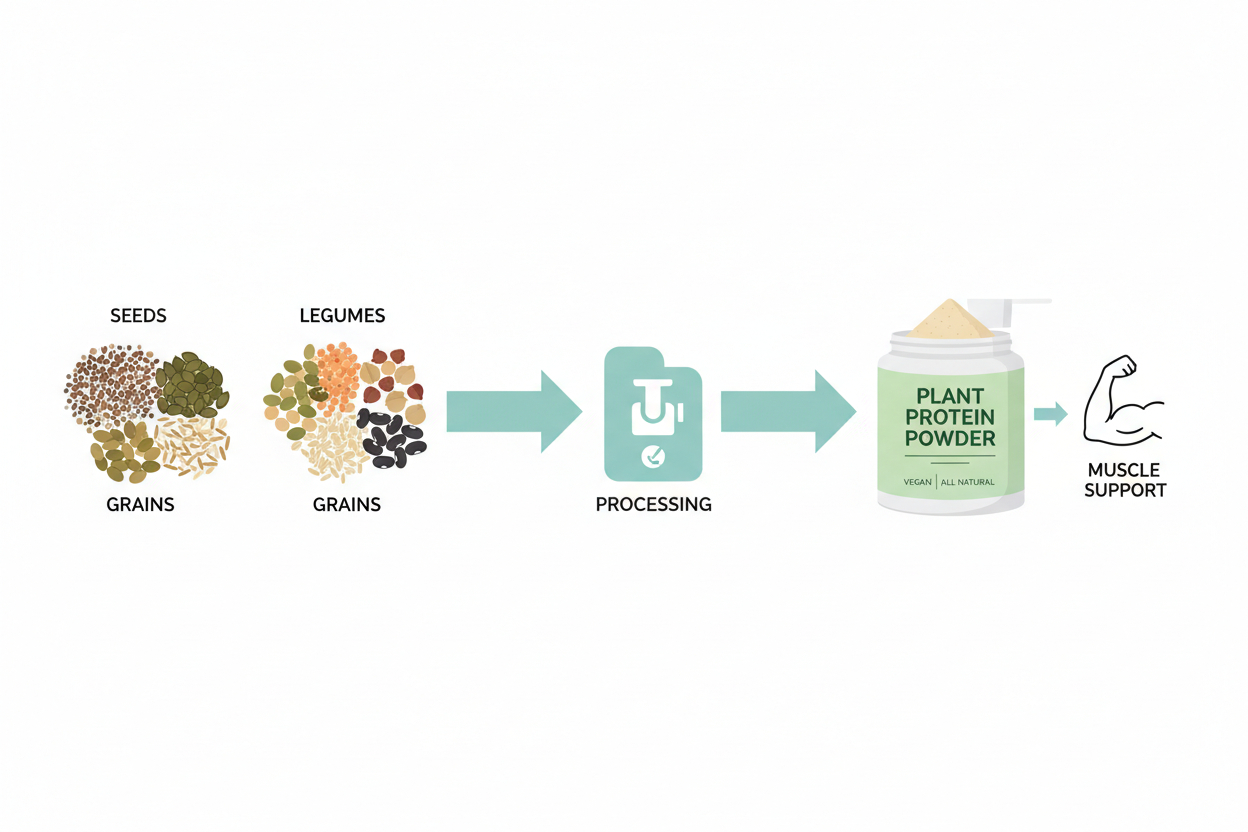
Plant protein is derived from plant based sources such as seeds, legumes, or grains, while other protein sources may originate from animal based materials such as dairy. Despite these differences in origin, all proteins share a common structure composed of amino acids.
Comparing plant protein without bias means examining how these protein sources differ in structure and formulation without favoring one over the other. This allows for a clearer understanding of how different protein ingredients function.
This article explains plant protein compared without bias using neutral, science based language. The focus remains on ingredient structure, protein composition, and formulation design rather than performance claims.
What Plant Protein Is
Plant protein refers to protein derived from plant based sources.
These proteins are composed of amino acid chains that are linked together to form the structure of the protein. When plant materials are processed into protein ingredients, the protein portion is separated and concentrated for use in formulations such as protein powders.
Plant proteins are one of several types of protein sources used in modern nutrition products.
Understanding what plant protein is provides a foundation for comparing it with other protein sources.
What Other Protein Sources Are
Protein can also be derived from non plant sources.
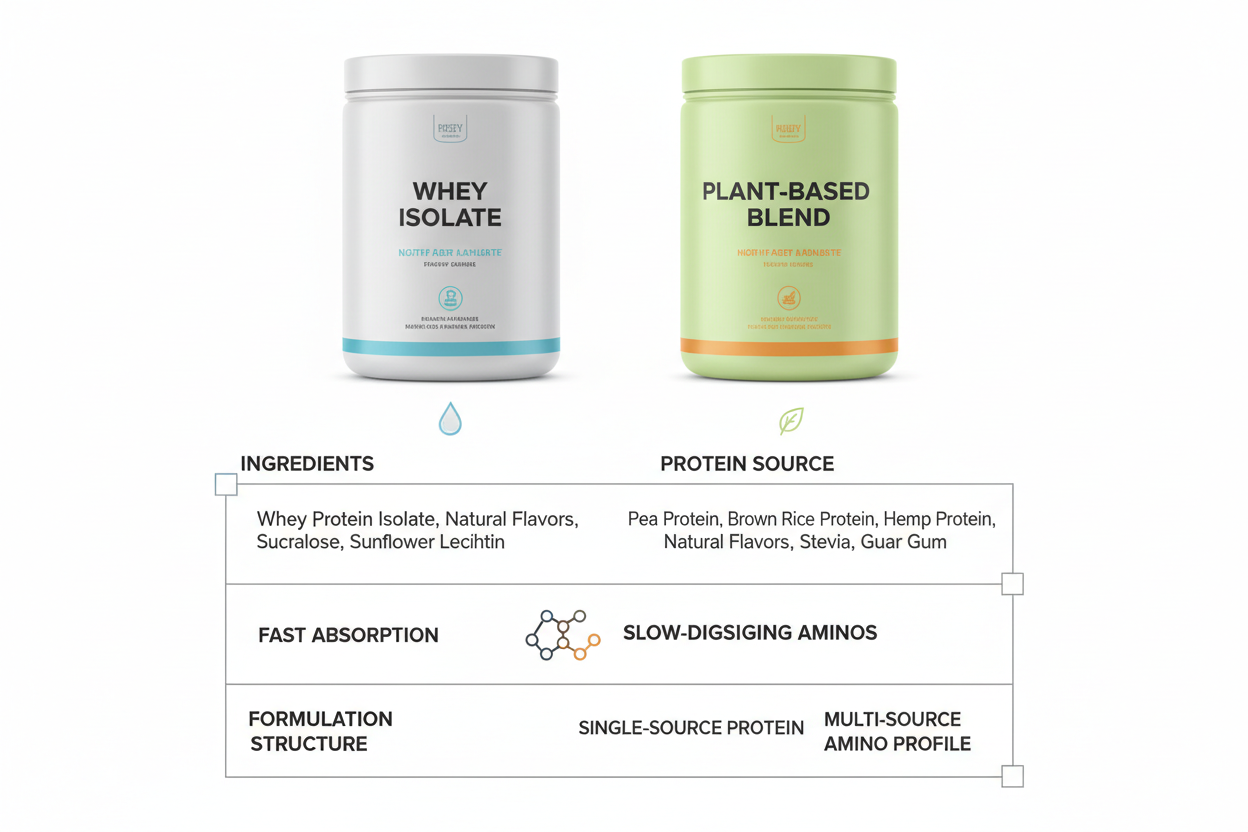
For example, whey protein is produced from dairy during the cheese making process. These protein ingredients are processed to isolate and concentrate the protein portion.
Like plant proteins, these protein sources consist of amino acids that are released during digestion.
Although protein sources differ in origin, their fundamental structure remains similar once broken down into amino acids.
Understanding these protein sources helps provide context for comparison.
Comparing Protein Structure
All proteins are made up of amino acids arranged in chains.
These chains form complex structures that must be broken down during digestion before the amino acids can be absorbed. A deeper breakdown of this process is explained in what happens to protein during digestion:
The structural differences between protein sources come from the original material from which the protein is derived.
Plant proteins originate from plant materials, while other protein sources originate from animal based materials.
These differences can influence how the protein behaves during processing and formulation.
Understanding protein structure helps clarify how different protein sources are compared.
Comparing Formulation Design
Protein powders are not made from a single ingredient. They are multi ingredient systems that combine protein with other components.
Formulation design includes the selection of ingredients that contribute to:
• protein content
• flavor
• texture
• preparation behavior
Different protein sources may be used in different formulations depending on the intended design of the product.
Understanding formulation design helps explain how protein sources are used within products.
Comparing Product Positioning
Protein sources are often presented differently depending on how products are positioned.
Product descriptions may highlight certain aspects of a protein source, such as origin, formulation approach, or ingredient composition.
These descriptions are part of how products are communicated to consumers.
Comparing protein sources without bias involves focusing on the structure and composition of the ingredients rather than how they are described.
Understanding product positioning helps clarify how protein powders are presented.
Part of the Protein Science Series
This article is part of the Earth Fuel Protein Science series, where we explore how protein ingredients function within modern nutrition.
The series examines protein structure, ingredient sourcing, and how protein powders are formulated.
Related Articles in This Series
Plant Protein Explained for Beginners
What Protein Quality Really Means
Price vs Quality in Protein Powders
Why Cheaper Protein Is Not Always Better
Protein Powder Quality Signals Explained
About Earth Fuel
Earth Fuel is built around one principle: simple protein. Nothing extra. We focus on clean ingredients, transparent sourcing, and clear formulation practices across every stage of the protein lifecycle. Learn more about the formulation and ingredients behind Earth Fuel plant protein powder.
Frequently Asked Questions
What is plant protein compared to other protein sources
Plant protein is derived from plant based materials, while other protein sources may come from animal based materials.
Do plant and animal proteins contain amino acids
Yes. All proteins are made of amino acids.
Are plant proteins and whey proteins structured the same way
Both are composed of amino acid chains, but their origin and structure may differ.
Why compare protein sources without bias
It helps provide a clearer understanding of how different proteins function.
Do different protein sources affect formulation design
Yes. Different protein sources may be used in different formulations depending on product design.

Written by Earth Fuel