What Happens to Protein During Digestion (Step by Step Guide)
When you eat protein, it does not immediately become usable by the body. Instead, it goes through a multi-step digestive process that breaks it down into smaller components the body can absorb and use.
Protein digestion leads to amino acid absorption and utilization. This guide explains how protein is used after digestion:
https://getearthfuel.com/blogs/learn/protein-metabolism-explained-simply
Understanding what happens to protein during digestion helps explain why digestion quality matters, why experiences vary between individuals, and why protein effectiveness is influenced by more than just intake.
This article walks through what happens to protein as it moves through the digestive system.
You can also explore how amino acids move through the body after absorption:
https://getearthfuel.com/blogs/learn/amino-acids-and-nutrient-transport
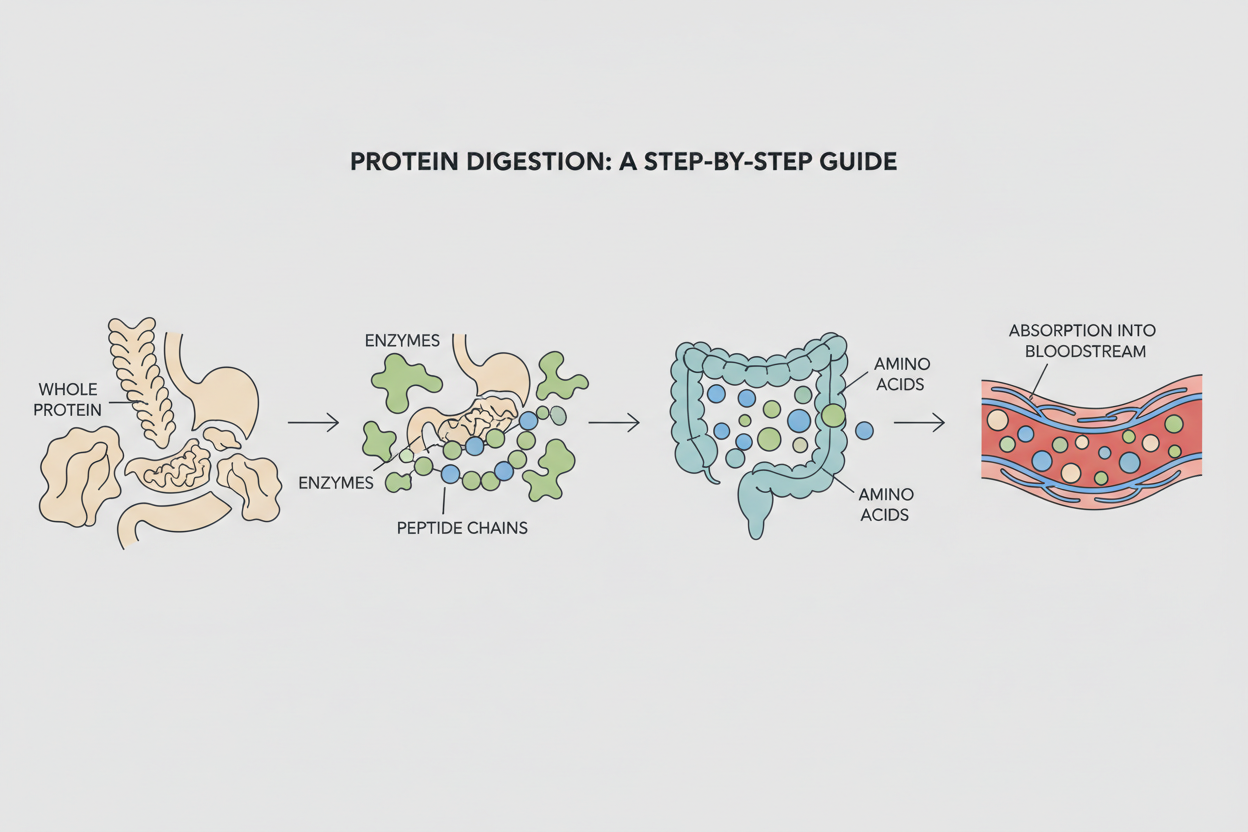
Protein Digestion Is a Step-by-Step Process
Protein digestion does not happen all at once. It occurs gradually as food moves through the digestive tract.
The purpose of digestion is to break protein down into amino acids so they can be absorbed into the bloodstream and used throughout the body for normal physiological functions.
Each stage of digestion plays a specific role in this process.
Step 1: Protein Enters the Stomach
After protein is swallowed, it reaches the stomach.
In the stomach:
-
Stomach acid helps unfold protein structures
-
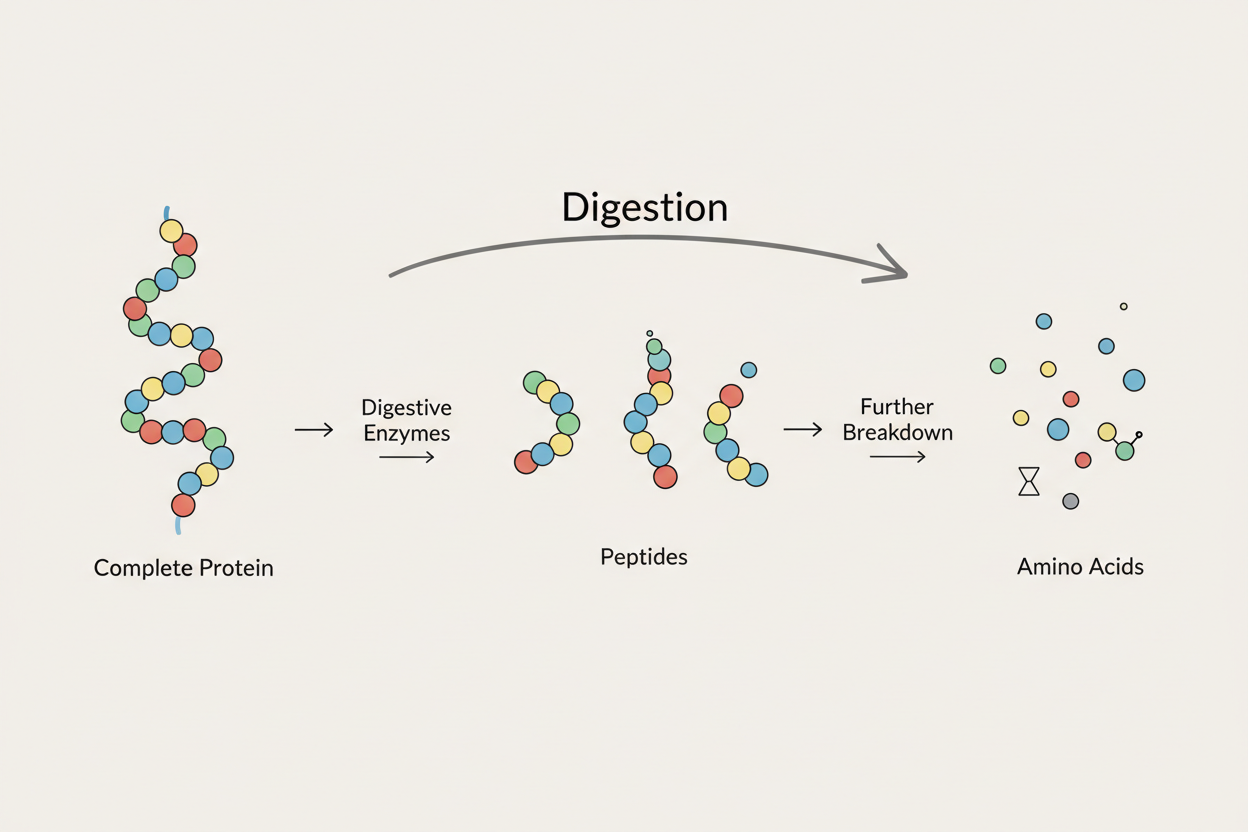
Enzymes begin breaking protein into smaller chains called peptides
This initial breakdown is important because it prepares protein for further digestion later in the process.
The efficiency of this step can vary depending on protein source, processing, and individual digestive factors.
Step 2: Protein Moves to the Small Intestine
Once partially digested protein leaves the stomach, it enters the small intestine.
Here:
-
Digestive enzymes continue breaking peptides into individual amino acids
-
Protein is further prepared for absorption
This stage plays a central role in determining how much protein becomes available to the body.
Step 3: Amino Acids Are Released
As digestion progresses, peptides are broken down into individual amino acids.
These amino acids are the usable form of protein. They are required for:
-
Tissue maintenance
-
Enzyme production
-
Normal metabolic processes
Releasing amino acids efficiently is essential for protein to support daily nutrition.
Step 4: Preparation for Absorption
Before amino acids can be absorbed, digestion must reduce protein to a form small enough to pass through the intestinal lining.
This process depends on:
-
Enzyme activity
-
Protein structure
-
Digestive comfort
When digestion functions smoothly, amino acids are released at a steady pace.
Why Digestion Speed Can Vary
Not all protein digests at the same rate.
Digestion speed can be influenced by:
-
Protein source
-
Fiber content
-
Processing methods
-
Meal composition
-
Individual digestive sensitivity
These factors help explain why protein can feel different from one source or formulation to another.
What Happens If Protein Is Not Fully Digested
When protein is not broken down efficiently, some individuals may notice discomfort or a feeling that protein “sits heavy.”
This does not mean protein is harmful. It usually reflects:
-
Digestive mismatch
-
Serving size issues
-
Ingredient tolerance
Understanding digestion helps guide better protein choices rather than avoidance.
Protein Digestion Over Time
Digestion contributes to a circulating amino acid pool that the body draws from as needed throughout the day.
This means:
-
Protein does not need to be digested perfectly in one meal
-
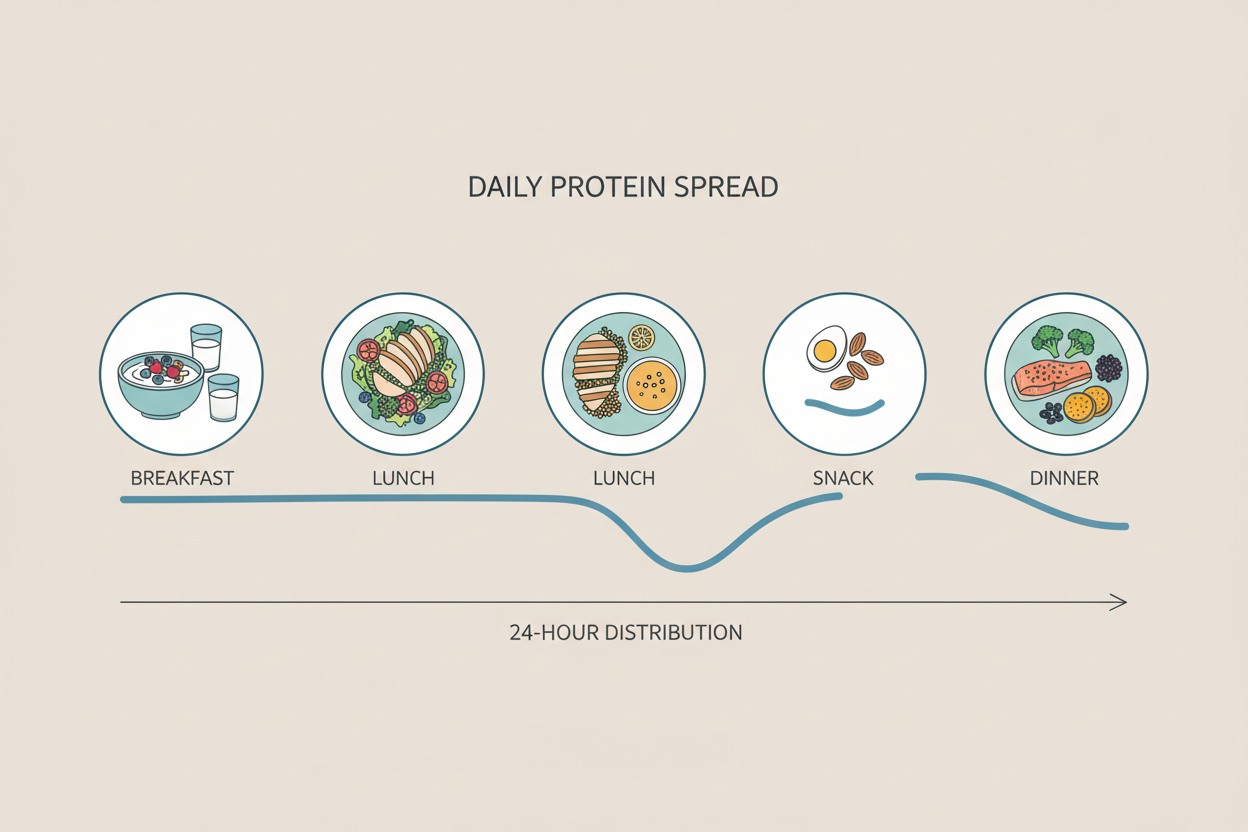
Balance across meals matters
-
Consistent intake supports normal function
This perspective helps reduce stress around protein use.
Digestion Is Part of Protein Quality
Protein quality is influenced not only by amino acid content, but also by how protein behaves during digestion.
A protein that digests smoothly and consistently is often easier to use as part of daily nutrition.
Part of the Nutrition Foundations Series
This article is part of our Nutrition Foundations series, where we explain how protein digestion, absorption, and nutrient balance support normal body function.
👉 Visit the Nutrition Foundations hub to explore more articles in this series.
Related Articles in This Series
You may also find these helpful:
About Earth Fuel
Earth Fuel is built around one principle: simple protein. Nothing extra. We focus on clear formulation, ingredient transparency, and structural integrity across every stage of the protein lifecycle. Learn more about our approach and formulation philosophy on the
Earth Fuel homepage
FAQ
What happens to protein after you eat it
Protein is broken down into peptides and amino acids through digestion before being absorbed.
Does protein digest all at once
No. Protein digestion happens gradually as food moves through the digestive tract.
Where does most protein digestion occur
Initial digestion begins in the stomach, with further breakdown in the small intestine.
Why does protein digestion feel different sometimes
Digestion speed and comfort vary based on protein source, formulation, and individual tolerance.
Is digestion part of protein quality
Yes. How protein digests influences how it supports daily nutrition.
Does digestion affect amino acid availability
Yes. Amino acids must be released during digestion before they can be absorbed.

Written by Earth Fuel