Signs You Are Not Digesting Protein Well
Protein is an important part of daily nutrition, but consuming protein does not automatically mean it is being digested and used efficiently. Digestion plays a central role in how protein supports normal body function over time.
When protein digestion is not working smoothly, people may notice subtle signs that are easy to overlook or misattribute to other factors.
This article explains common signs that protein digestion may not be optimal and why digestion, formulation, and individual tolerance matter.
Why Protein Digestion Matters
Protein must be broken down into amino acids before the body can use it. This process depends on:
-
Digestive enzyme activity
-
Protein source and processing
-
Digestive comfort and tolerance
When digestion functions normally, amino acids become available steadily to support everyday physiological processes.
When digestion is less efficient, protein may not feel as beneficial or comfortable.
Digestive Discomfort After Protein Intake
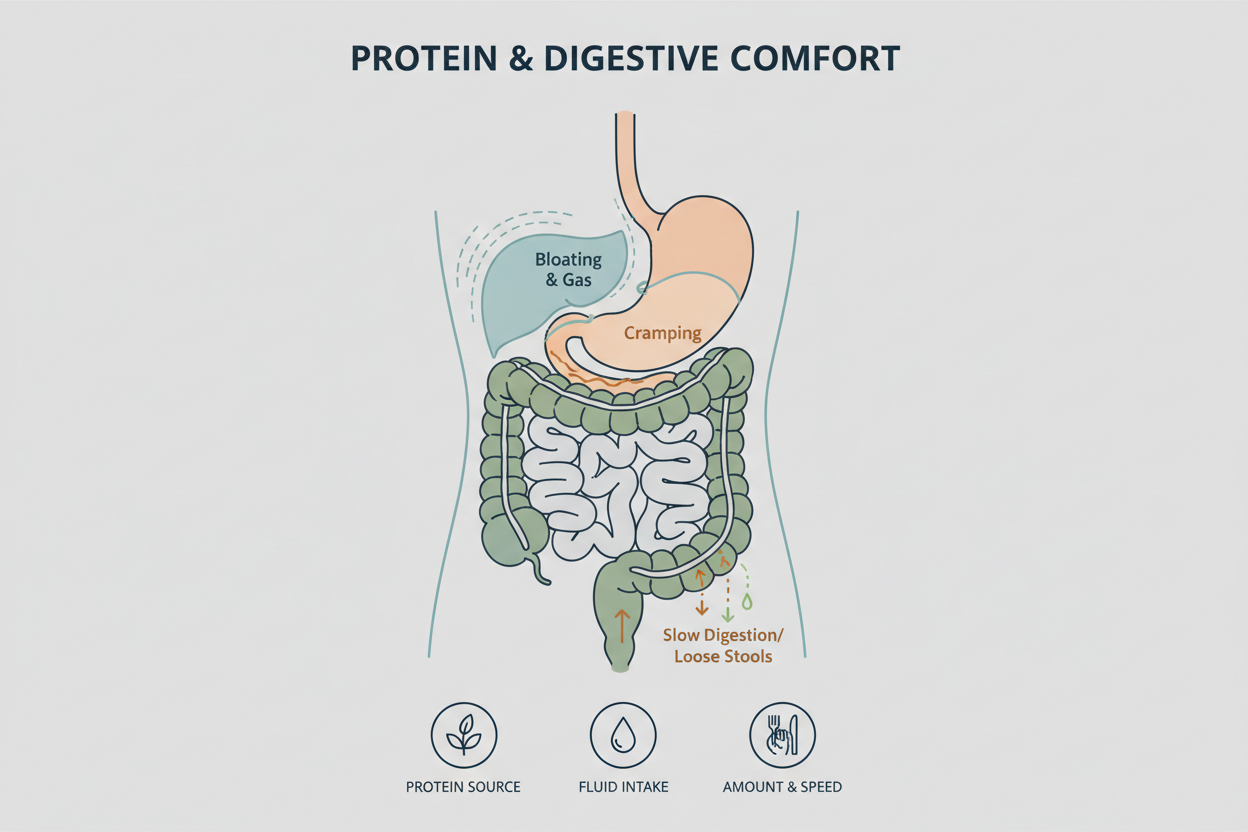
One of the most noticeable signs of poor protein digestion is digestive discomfort after consuming protein.
This may include:
-
A feeling of heaviness
-
Fullness that lasts longer than expected
-
Mild bloating or gas
These sensations can vary depending on protein source, serving size, and formulation.
Feeling Uncomfortable With Certain Protein Sources
Some people notice that certain protein powders or foods consistently feel harder to tolerate than others.
This may be influenced by:
-
Ingredient composition
-
Processing methods
-
Fiber balance
-
Individual sensitivity
Tolerance can differ widely from person to person.
Inconsistent Energy or Satisfaction
Protein that digests smoothly often contributes to a steady feeling of nourishment.
When digestion is not optimal, some people may notice:
-
Feeling unsatisfied after protein intake
-
Inconsistent fullness
-
A sense that protein “doesn’t sit well”
These experiences may reflect digestion rather than protein quantity.
Needing Very Large Amounts of Protein to Feel Satisfied
If very large servings of protein are required to feel satisfied, digestion efficiency may be worth considering.
Digestibility and absorption influence how effectively protein contributes to the body’s amino acid pool. Larger amounts do not always translate to better utilization.
Digestive Sensitivity That Develops Over Time
Digestive tolerance can change.
Some people notice that protein sources they once tolerated well feel different over time. This can happen due to:
-
Changes in overall diet
-
Digestive system adaptation
-
Repeated exposure to certain formulations
Paying attention to long term comfort is often helpful.
The Role of Ingredient Quality
Ingredient quality influences how protein is digested.
Factors that may support digestion include:
-
Simple formulations
-
Thoughtful processing
-
Balanced fiber content
Protein sources designed with digestion in mind often feel more comfortable for regular use.
Why This Does Not Mean Protein Is “Bad”
Not digesting protein well does not mean protein should be avoided.
It usually means:
-
The protein source may not be the best fit
-
The formulation may not align with digestion preferences
-
Serving size or timing may need adjustment
Understanding digestion helps refine choices rather than eliminate protein entirely.
Supporting Normal Protein Digestion
Many people focus on:
-
Trying different protein sources
-
Adjusting serving sizes
-
Choosing simpler ingredient lists
-
Allowing time for digestion to adapt
These steps support comfort and consistency over time.
Listening to the Body Over Labels
Labels and numbers provide information, but personal experience matters too.
Protein digestion is individual, and paying attention to comfort, tolerance, and consistency often leads to better long term nutrition habits.
Part of the Nutrition Foundations Series
This article is part of our Nutrition Foundations series, where we explain how protein digestion, ingredient quality, and formulation support informed nutrition choices.
👉 Visit the Nutrition Foundations hub to explore more articles in this series.
Related Articles in This Series
You may also find these helpful:
About Earth Fuel
Earth Fuel is built around one principle: simple protein. Nothing extra. We focus on clear formulation, ingredient transparency, and structural integrity across every stage of the protein lifecycle. Learn more about our approach and formulation philosophy on the
Earth Fuel homepage
FAQ
How can I tell if I am digesting protein well
Comfort, tolerance, and consistency over time are useful indicators.
Is digestive discomfort after protein normal
Some variation is normal, but repeated discomfort may indicate digestion issues.
Does protein type affect digestion
Yes. Source, processing, and formulation influence digestion experience.
Can digestion change over time
Yes. Digestive tolerance can shift due to diet and lifestyle changes.
Does more protein help if digestion is poor
More protein does not necessarily improve utilization if digestion is inefficient.
Should protein be avoided if digestion feels off
Not necessarily. Adjusting formulation or serving size may help.

Written by Earth Fuel