What to Look for on a Protein Powder Ingredient Label
Protein powder labels can be confusing. Between long ingredient lists, unfamiliar terms, and bold marketing language, it’s not always clear what actually matters.
Learning how to read a protein powder ingredient label helps you make informed choices without relying on claims or hype. A few key sections on the label can tell you most of what you need to know about formulation, digestibility, and overall quality.
Understanding ingredient labels requires knowing how protein ingredients are produced. This article explains that process:
https://getearthfuel.com/blogs/learn/how-protein-powder-ingredients-are-made
This guide explains how to read a protein powder label and which elements tend to matter most for daily use.
Start With the Ingredient List
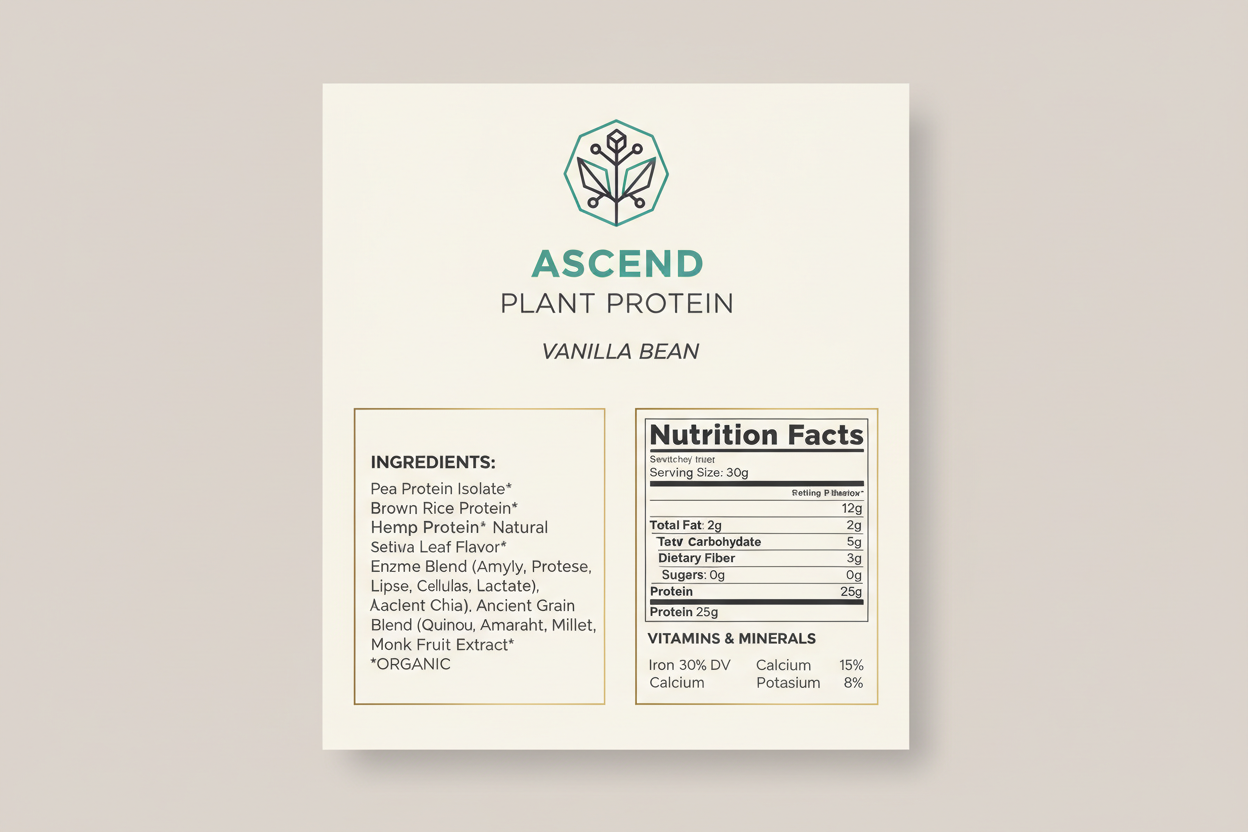
The ingredient list shows everything included in the product, usually in order of weight.
When reviewing this list, notice:
-
How long the list is
-
Whether ingredients are recognizable
-
Whether the protein source is clearly stated
Shorter, clearer ingredient lists are often easier to interpret and may align better with digestion preferences.
You can also explore how sourcing impacts ingredient transparency:
https://getearthfuel.com/blogs/learn/protein-ingredient-sourcing-explained
Identify the Protein Sources
Look for where the protein comes from.
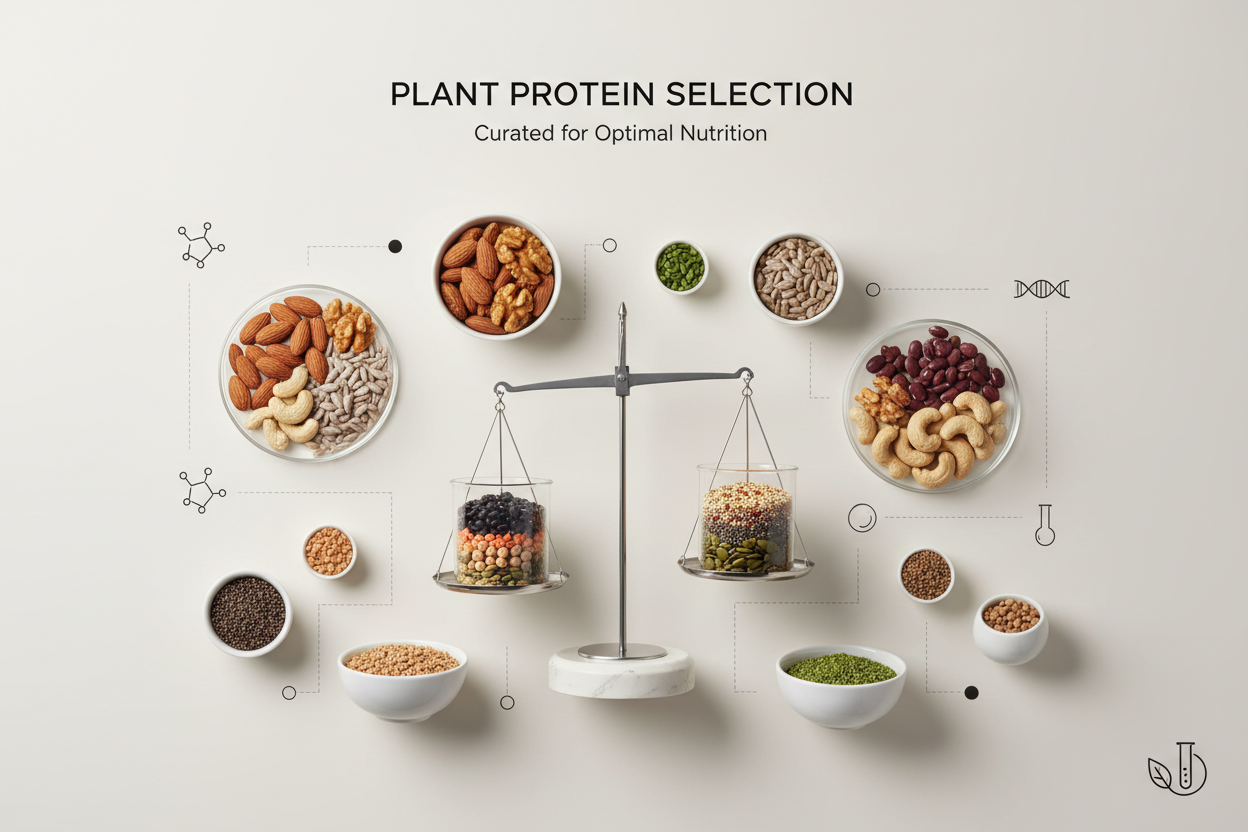
Protein sources are often listed near the top of the ingredient list. Common plant based sources include:
-
Legumes
-
Seeds
-
Grains
-
Nuts
If multiple protein sources are listed, this often indicates a blended formulation designed to support amino acid balance.
Check the Protein Amount Per Serving
The nutrition facts panel lists the grams of protein per serving.
While this number is useful, it should be viewed in context. Protein grams alone do not indicate:
-
Amino acid balance
-
Digestibility
-
Ingredient quality
A moderate amount of protein that digests comfortably may be more practical for daily use than higher amounts that feel heavy or uncomfortable.
Look at Added Ingredients Carefully
Beyond protein, labels often include additional ingredients for flavor, texture, or consistency.
Pay attention to:
-
Sweeteners used
-
Thickeners or gums
-
Flavoring agents
These ingredients are not necessarily problematic, but understanding their role can help you decide whether a formulation aligns with your preferences.
Understand Fiber Content
Plant based protein powders may naturally contain fiber.
Fiber can influence:
-
Digestion speed
-
Texture
-
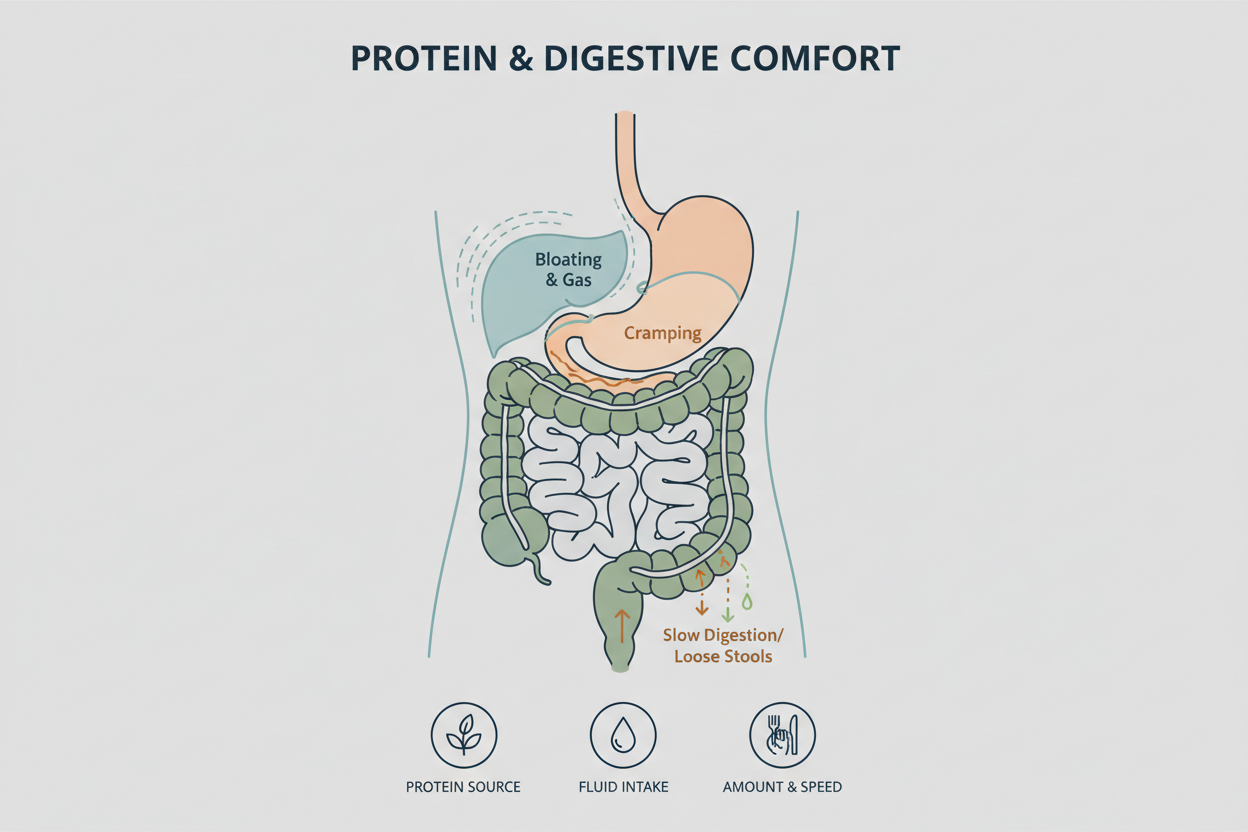
Digestive comfort
Balanced fiber levels are often part of thoughtful formulation. Extremely high fiber content may feel different depending on individual tolerance.
Watch for Marketing Language vs Information
Labels often include marketing terms on the front of the package. These phrases can sound appealing but may not provide concrete information.
Focus on:
-
The ingredient list
-
The nutrition facts panel
-
Clear identification of protein sources
These sections offer more reliable insight than slogans.
Serving Size and Practical Use
Serving size determines how the product fits into daily routines.
Consider:
-
How much powder is required per serving
-
Whether the serving size feels practical
-
How it fits with meals or snacks
Consistency matters more than theoretical perfection.
Transparency and Clarity
Clear labeling supports trust.
Labels that clearly state:
-
Protein sources
-
Ingredient purpose
-
Serving information
make it easier to understand what you’re consuming and how it fits into your routine.
Reading Labels Over Time
The more labels you read, the easier patterns become to recognize.
Understanding ingredient lists helps you:
-
Compare products more confidently
-
Identify formulations that feel comfortable
-
Make choices based on understanding rather than claims
This skill improves with practice.
Part of the Nutrition Foundations Series
This article is part of our Nutrition Foundations series, where we explain how ingredient quality, digestion, and formulation support informed nutrition choices.
👉 Visit the Nutrition Foundations hub to explore more articles in this series.
Related Articles in This Series
You may also find these helpful:
About Earth Fuel
Earth Fuel is built around one principle: simple protein. Nothing extra. We focus on clear formulation, ingredient transparency, and structural integrity across every stage of the protein lifecycle. Learn more about our approach and formulation philosophy on the
Earth Fuel homepage
FAQ
What is the most important part of a protein label
The ingredient list and nutrition facts panel provide the clearest information.
Are longer ingredient lists bad
Not always, but shorter lists are often easier to interpret.
Do protein grams determine quality
Protein grams are useful, but balance and digestion also matter.
Should I avoid additives completely
Many people prefer simpler formulations, though individual tolerance varies.
Does fiber content matter on a protein label
Fiber influences digestion and comfort and should be viewed in context.
Can labels be misleading
Marketing language can be confusing, which is why reading the ingredient list is helpful.

Written by Earth Fuel