How to Choose a High Quality Plant Based Protein
Once you understand how protein digestion, absorption, and amino acid balance work, the next question becomes practical: how do you choose a high quality plant based protein?
With so many options available, labels and marketing claims can make it difficult to know what actually matters. A thoughtful approach focuses less on hype and more on how a protein fits into daily nutrition and digestion.
This guide explains what to look for when choosing a plant based protein and which factors tend to matter most over time.
Start With Ingredient Simplicity
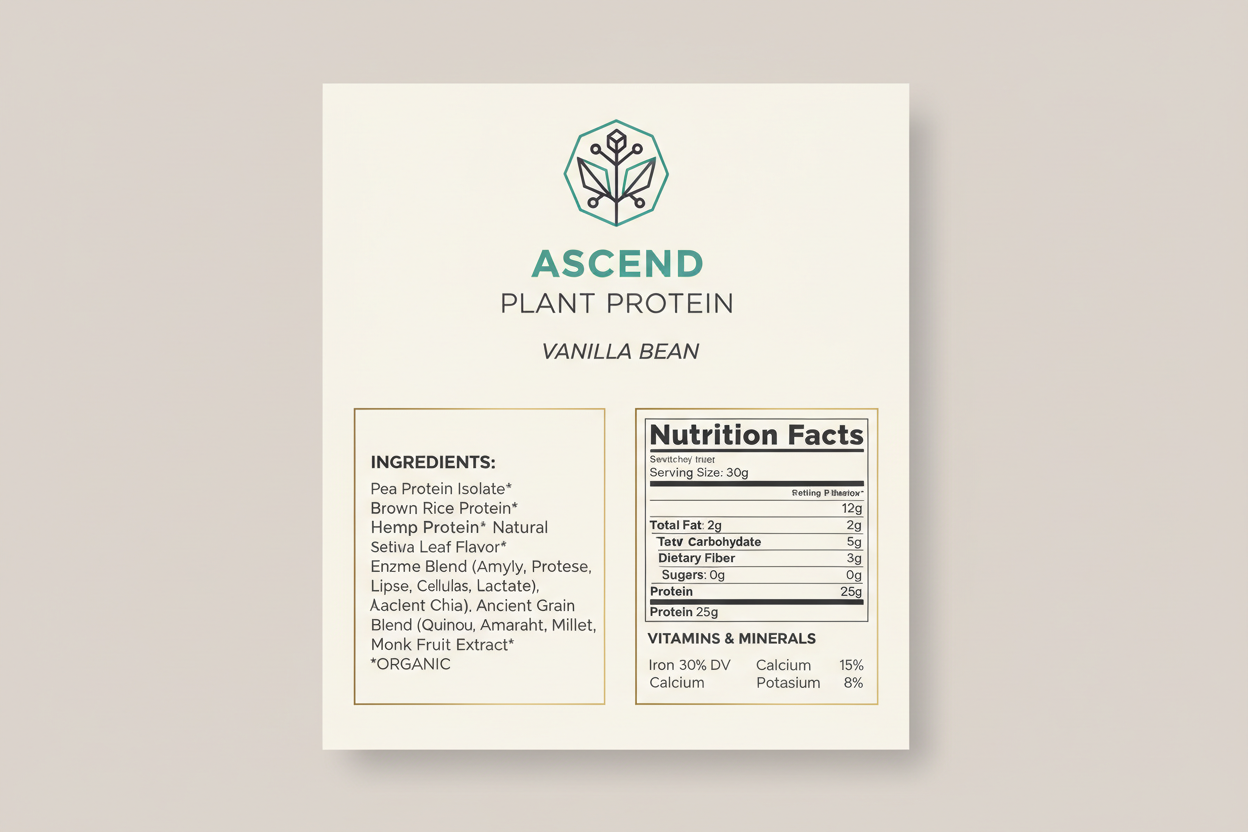
High quality plant based proteins usually begin with simple, recognizable ingredients.
Shorter ingredient lists often make it easier to understand:
-
What the protein source is
-
How the product is formulated
-
Whether unnecessary additives are present
Simplicity supports transparency and often aligns with easier digestion.
Look at the Protein Sources Used
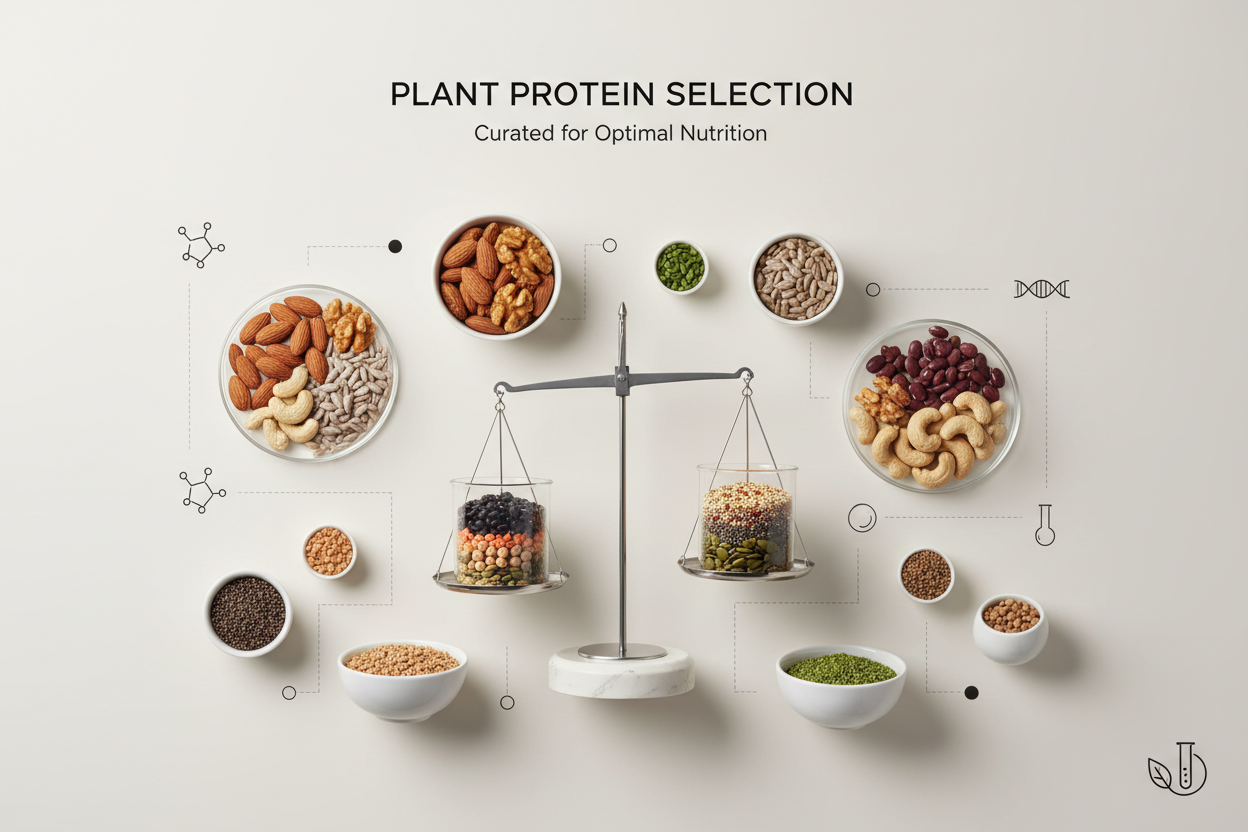
Plant based proteins can be derived from different sources, including legumes, seeds, grains, and nuts.
When evaluating protein sources, consider:
-
Whether multiple sources are blended
-
How the sources complement each other
-
Whether the formulation supports amino acid balance
Blended proteins are commonly used to provide a more complete amino acid profile.
Consider Amino Acid Balance, Not Just Protein Grams
Protein quantity is often highlighted on labels, but amino acid balance plays an important role in how protein is used.
Balanced formulations help ensure:
-
Essential amino acids are present
-
Protein supports normal metabolic processes
-
Intake feels consistent over time
This is why focusing solely on grams per serving can be misleading.
Pay Attention to Digestive Comfort
Digestive comfort is one of the most important long term considerations.
A protein that feels comfortable to consume regularly is more likely to be used consistently.
Factors that influence comfort include:
-
Fiber type and amount
-
Processing methods
-
Ingredient quality
-
Serving size
Listening to how your body responds over time is often more helpful than relying on claims.
Processing and Formulation Matter
How a protein is processed influences digestibility and experience.
Gentle processing helps preserve protein structure and supports normal digestion. Over-processing can make protein harder to tolerate for some individuals.
Formulation that considers digestion alongside protein quality often leads to better long term use.
Watch for Unnecessary Additives
Some protein powders include additional ingredients for flavor, texture, or marketing appeal.
While not always problematic, unnecessary additives can:
-
Complicate digestion for some people
-
Make ingredient lists harder to interpret
Choosing products with purpose-driven ingredients supports clarity and consistency.
Consider How the Protein Fits Your Routine
A high quality protein is one that fits into daily life.
Questions to ask include:
-
Does it mix easily
-
Is it easy to consume consistently
-
Does it align with digestion preferences
-
Does it support long term use
Practicality often matters more than novelty.
Quality Is About Long Term Experience
Rather than focusing on immediate results, quality shows up over time.
A protein that:
-
Feels comfortable
-
Is easy to use daily
-
Supports balanced nutrition
is more likely to become part of a sustainable routine.
Part of the Nutrition Foundations Series
This article is part of our Nutrition Foundations series, where we explain how protein quality, digestion, and ingredient selection support informed nutrition choices.
👉 Visit the Nutrition Foundations hub to explore more articles in this series.
Related Articles in This Series
You may also find these helpful:
About Earth Fuel
Earth Fuel is built around one principle: simple protein. Nothing extra. We focus on clear formulation, ingredient transparency, and structural integrity across every stage of the protein lifecycle. Learn more about our approach and formulation philosophy on the
Earth Fuel homepage
FAQ
What defines a high quality plant based protein
Quality is influenced by ingredient simplicity, amino acid balance, digestibility, and how well the protein fits daily use.
Are blends better than single source proteins
Blends are often used to support balanced amino acid profiles, though individual tolerance varies.
Does higher protein content mean better quality
Not necessarily. Balance, digestion, and formulation matter as much as protein grams.
Should additives be avoided
Many people prefer simpler formulations to support clarity and digestion.
Is digestive comfort important when choosing protein
Yes. Comfort supports consistency, which matters for long term nutrition habits.
Can plant based protein support daily nutrition
Yes. When formulated thoughtfully, plant based protein can support balanced daily intake.

Written by Earth Fuel