Is More Protein Always Better
Protein is often framed as a nutrient where more is better. This idea shows up in fitness culture, supplement marketing, and everyday conversations about nutrition.
While protein plays an important role in normal body function, the relationship between protein intake and results is not unlimited. Understanding how protein works helps clarify why balance, digestion, and consistency matter more than simply increasing intake.
This article explains how protein fits into daily nutrition and why “more” is not always the most helpful approach.
Why Protein Is Important
Protein supplies amino acids that support many normal functions in the body, including:
-
Muscle maintenance
-
Tissue repair
-
Enzyme and hormone production
-
Structural components of cells
Because these processes occur continuously, adequate protein intake is important across all stages of life.
The Misconception That More Is Always Better
The idea that more protein automatically leads to better outcomes is an oversimplification.
Protein intake that exceeds what the body can utilize does not necessarily translate into additional benefit. The body uses amino acids as needed and does not store large excess amounts long term.
This means that effectiveness depends on how protein is used, not just how much is consumed.
How the Body Uses Protein Over Time
Amino acids from dietary protein contribute to a circulating amino acid pool.
From this pool, the body:
-
Draws amino acids as needed
-
Supports normal protein turnover
-
Maintains tissues over time
This process favors steady, consistent intake rather than extreme amounts in short periods.
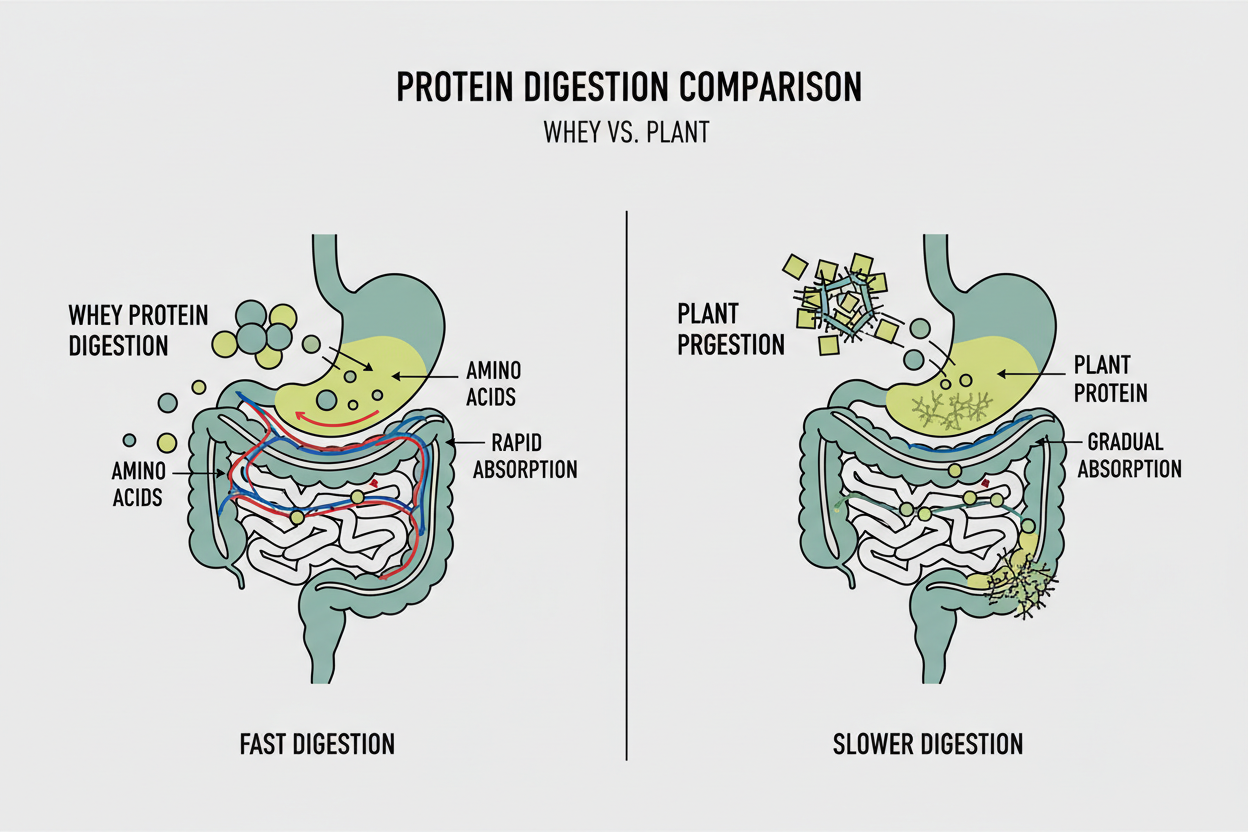
Protein Intake and Digestion
Digestion plays an important role in how protein is experienced.
Very high protein intake may:
-
Feel uncomfortable for some individuals
-
Place additional demands on digestion
-
Reduce overall tolerance
Balanced intake that aligns with digestion often supports more consistent use over time.
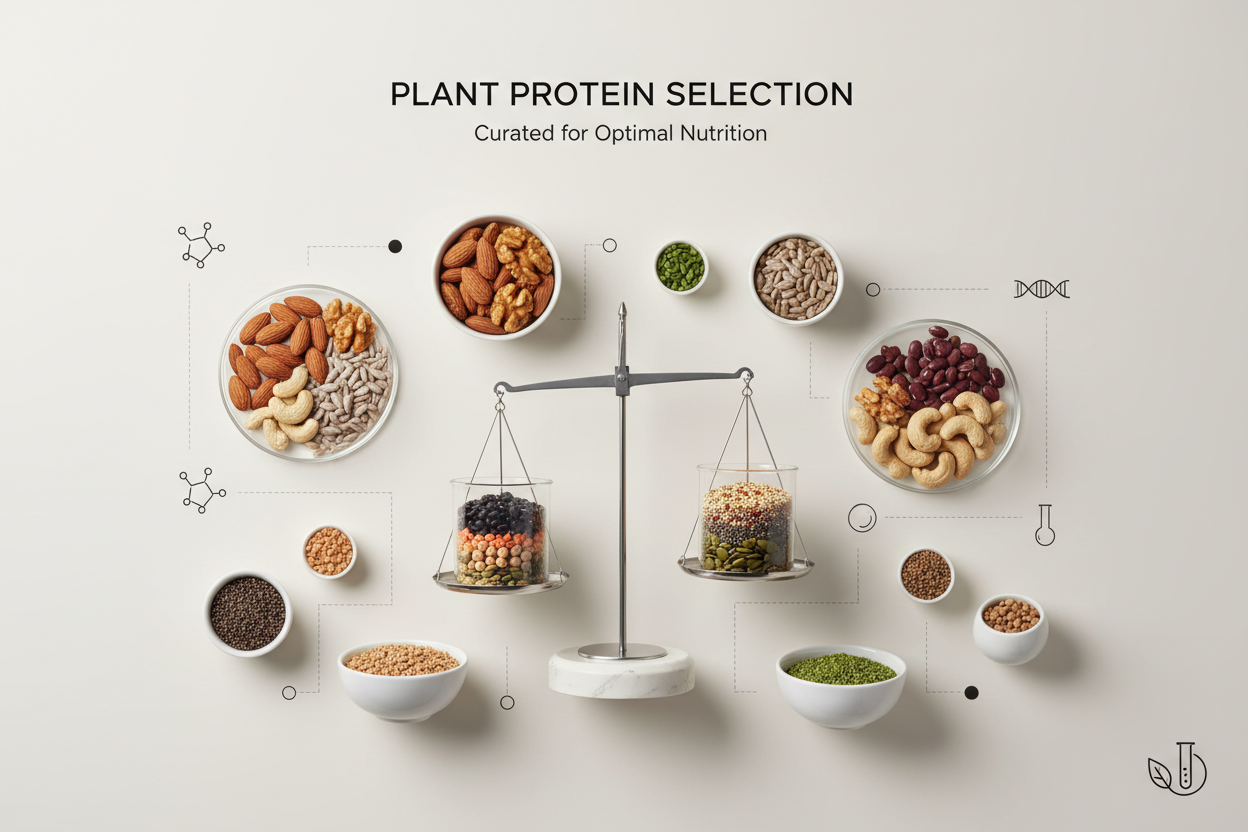
Protein Quality Matters More Than Quantity
Protein quality influences how effectively protein supports normal body function.
Quality is shaped by:
-
Amino acid balance
-
Digestibility
-
Ingredient selection
-
Formulation simplicity
A moderate amount of well digested protein may be more useful than larger amounts that are poorly tolerated.
Individual Needs Vary
Protein needs are not identical for everyone.
Factors that influence individual needs include:
-
Activity level
-
Age
-
Body size
-
Overall diet
-
Digestive tolerance
This variability is why one-size-fits-all recommendations are often unhelpful.
Consistency Over Extremes
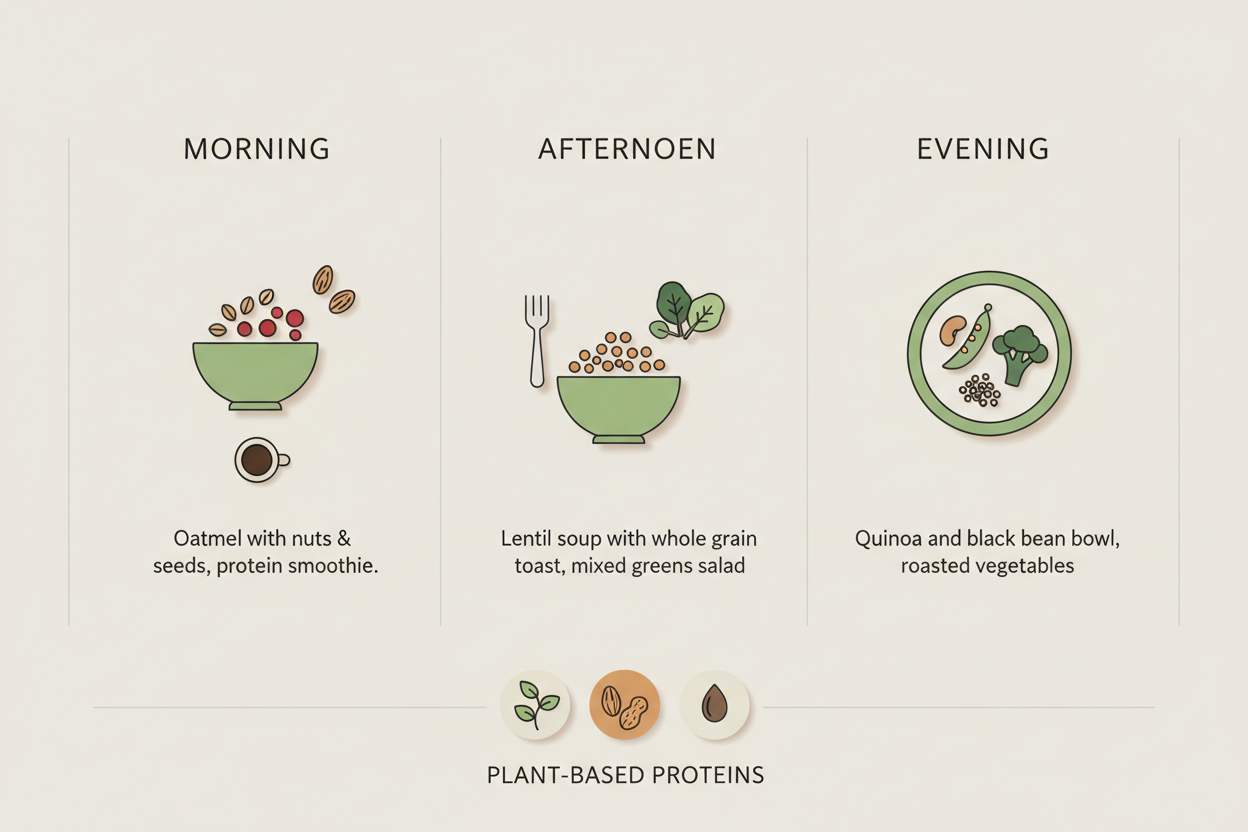
Long term nutrition works best when intake is consistent and sustainable.
Choosing a protein approach that:
-
Fits daily habits
-
Supports digestion
-
Feels comfortable over time
often leads to better adherence than chasing extremes.
Reframing Protein Goals
Rather than asking whether more protein is better, a more useful question is:
-
Is my protein intake supporting normal function comfortably and consistently
This perspective shifts focus from numbers to experience and sustainability.
Part of the Nutrition Foundations Series
This article is part of our Nutrition Foundations series, where we explain protein intake, digestion, and balance clearly and without hype.
👉 Visit the Nutrition Foundations hub to explore more articles in this series.
Related Articles in This Series
You may also find these helpful:
About Earth Fuel
Earth Fuel is built around one principle: simple protein. Nothing extra. We focus on clear formulation, ingredient transparency, and structural integrity across every stage of the protein lifecycle. Learn more about our approach and formulation philosophy on the
Earth Fuel homepage
FAQ
Is more protein always better
No. Protein supports normal body function, but balance and digestion matter more than excess intake.
Can too much protein cause discomfort
For some individuals, very high intake may feel uncomfortable depending on digestion and tolerance.
Does protein quality matter more than quantity
Quality, digestion, and consistency influence how effectively protein is used.
Do protein needs vary by person
Yes. Needs differ based on activity, age, body size, and diet.
Should protein be consumed evenly throughout the day
Many people find steady intake more comfortable than large amounts at once.
Is consistency more important than extremes
Yes. Sustainable intake supports long term nutrition habits.

Written by Earth Fuel