What Is Protein and Why the Body Needs It
Protein is often described as a macronutrient, but that label does not fully capture its role in the body. Protein is not just fuel or a supplement. It is a fundamental component of normal biological structure and function.
Understanding what protein is and why the body needs it helps clarify its role in daily nutrition and why consistent intake matters over time.
This article explains what protein is, how it functions in the body, and why it is essential for normal physiological processes.
What Protein Is Made Of
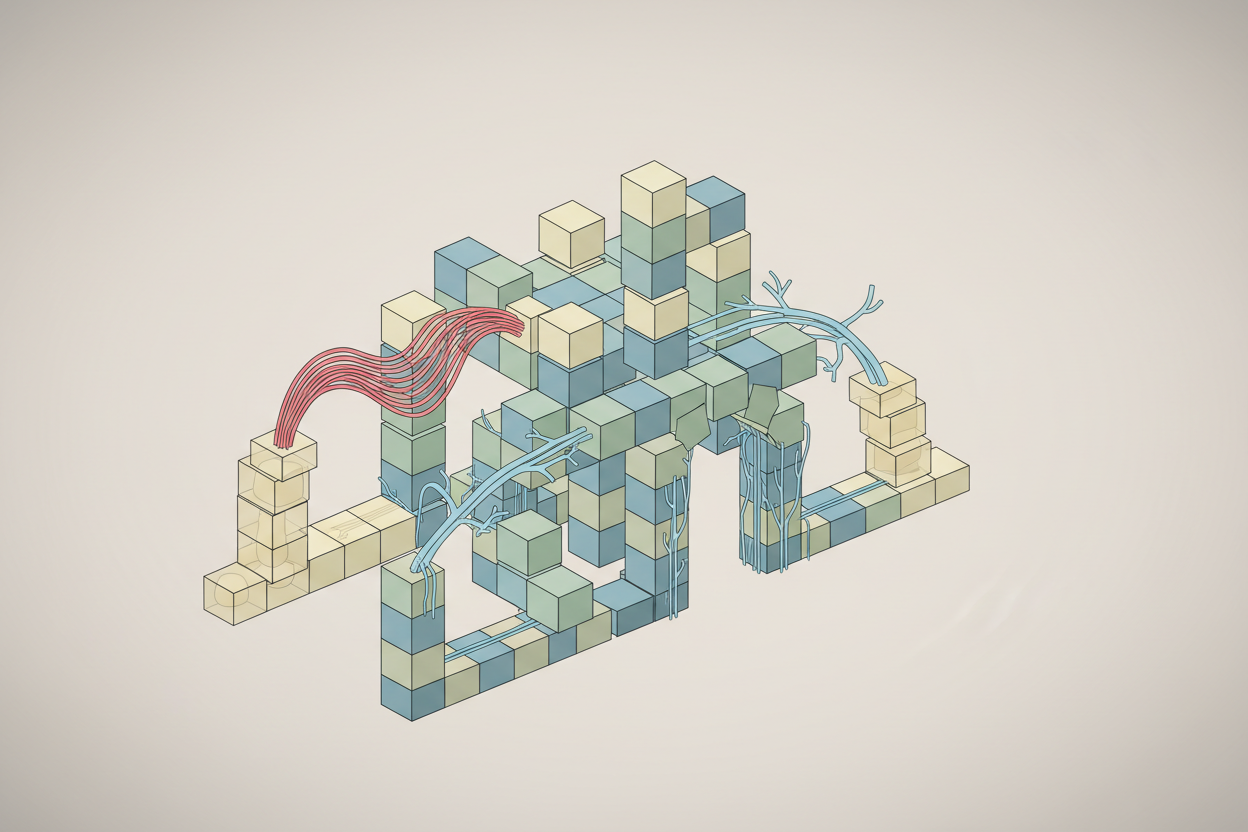
Protein is made up of smaller units called amino acids. These amino acids are linked together in different sequences to form proteins with specific structures and functions.
When protein is consumed, it does not stay intact. The body breaks it down into amino acids, which are then used to build and maintain tissues throughout the body.
Why the Body Needs Protein
The body relies on protein to support many normal functions, including:
-
Structural support for cells and tissues
-
Maintenance of muscle and connective tissue
-
Production of enzymes and hormones
-
Support of normal metabolic processes
Protein is involved in nearly every system of the body, which is why it is considered an essential nutrient.
Protein as a Structural Component
Proteins form much of the body’s physical structure.
They are found in:
-
Muscle tissue
-
Skin and hair
-
Organs and connective tissue
This structural role requires a steady supply of amino acids so the body can maintain and repair tissues as part of normal turnover.
Protein and Daily Maintenance
The body is constantly renewing itself. Cells break down and are replaced as part of normal biological processes.
Protein provides the amino acids needed for:
-
Routine tissue repair
-
Replacement of worn cells
-
Maintenance of normal function
This process occurs every day, not only during physical activity.
Protein Is Not Stored Like Other Nutrients
Unlike fat or carbohydrates, the body does not store large reserves of protein.
Instead:
-
Protein is used as needed
-
Excess amino acids are broken down
-
Regular intake supports ongoing needs
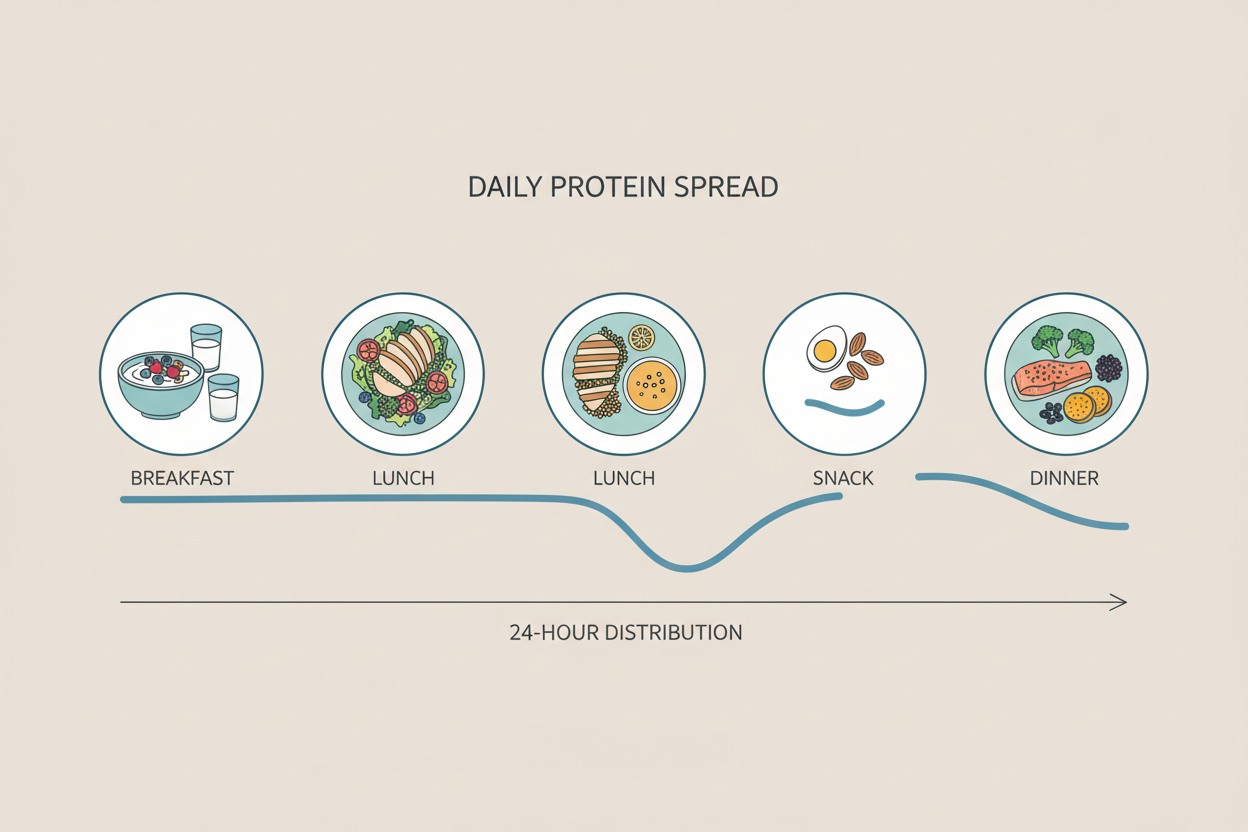
This is why consistent protein consumption matters more than occasional large amounts.
Protein and Normal Metabolism
Proteins are involved in metabolic pathways that help regulate normal body function.
Enzymes, which are proteins themselves, facilitate chemical reactions that allow the body to:
-
Convert nutrients into usable forms
-
Support energy production
-
Maintain internal balance
Without adequate protein, these processes cannot function efficiently.
Protein Needs Change Over Time
Protein needs vary throughout life and depend on factors such as:
-
Age
-
Activity level
-
Body size
-
Overall diet
While exact needs differ between individuals, protein remains a foundational part of daily nutrition at all stages of life.
Protein in a Balanced Diet
Protein works best as part of a balanced diet that includes carbohydrates, fats, vitamins, and minerals.
No single nutrient operates in isolation. Protein supports normal body function most effectively when combined with overall dietary balance and digestion.
Part of the Nutrition Foundations Series
This article is part of our Nutrition Foundations series, where we explain how protein, digestion, and nutrient balance support normal body function.
👉 Visit the Nutrition Foundations hub to explore more articles in this series.
Related Articles in This Series
You may also find these helpful:
About Earth Fuel
Earth Fuel is built around one principle: simple protein. Nothing extra. We focus on clear formulation, ingredient transparency, and structural integrity across every stage of the protein lifecycle. Learn more about our approach and formulation philosophy on the
Earth Fuel homepage
FAQ
What is protein
Protein is a macronutrient made of amino acids that supports normal structure and function in the body.
Why does the body need protein every day
Protein supports daily tissue maintenance, metabolic processes, and cellular renewal.
Is protein only important for muscle
No. Protein supports many systems beyond muscle, including enzymes and structural tissues.
Can the body store protein
The body does not store large amounts of protein, which is why regular intake matters.
Does protein need vary by person
Yes. Needs vary based on age, activity level, and overall diet.
Is protein part of metabolism
Yes. Proteins are involved in enzymes and pathways that support normal metabolism.

Written by Earth Fuel