How Protein Timing Fits Into Daily Nutrition
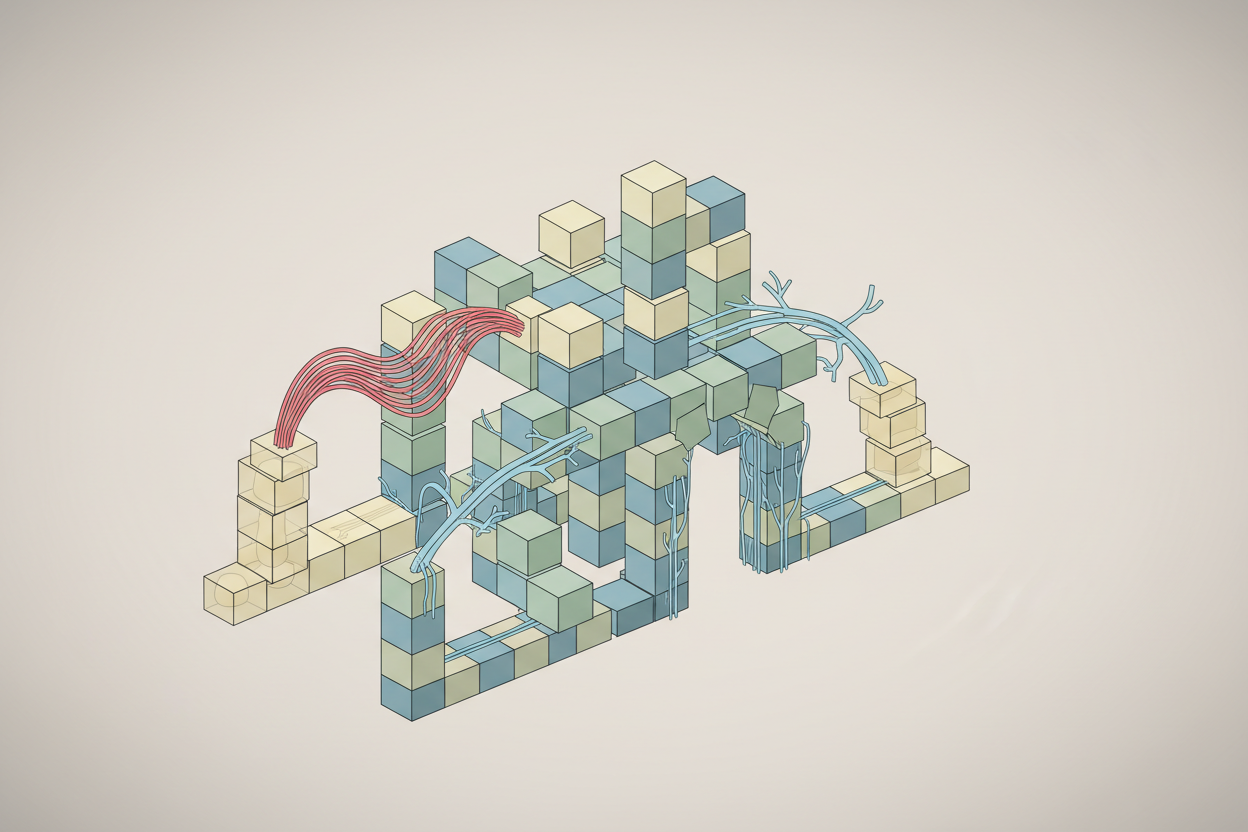
Protein timing is often presented as rigid or performance driven, leading many people to believe they need to consume protein at exact moments for it to be effective. In reality, protein timing is far more flexible and individual than most advice suggests.
Understanding how protein fits into daily nutrition helps remove unnecessary pressure and allows people to focus on consistency, digestion, and long term habits rather than strict schedules.
This article explains what protein timing really means and how it fits into normal daily nutrition.
What Protein Timing Actually Refers To
Protein timing refers to when protein is consumed throughout the day, not just how much is consumed.
It is often discussed in the context of:
-
Meals versus snacks
-
Protein around physical activity
-
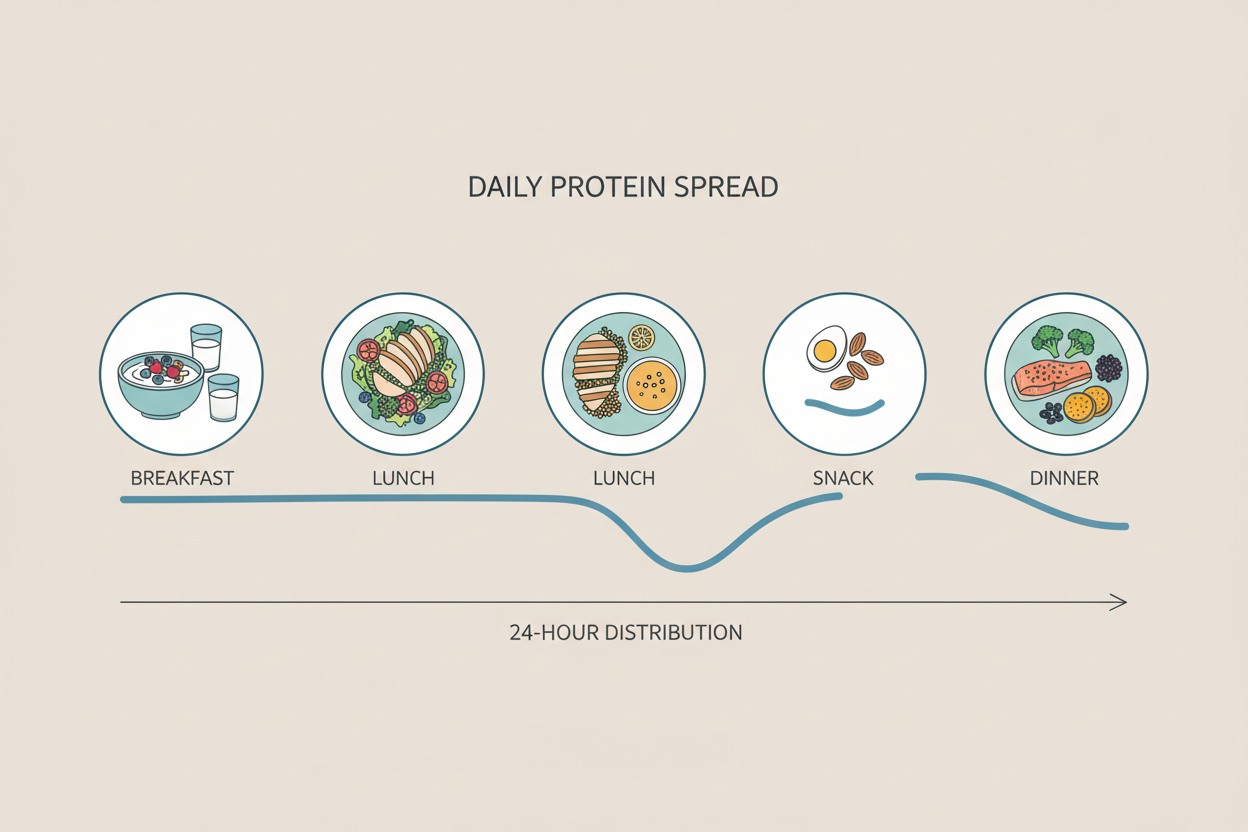
Spreading intake across the day
While timing can influence comfort and routine, it does not override the importance of overall intake and digestion.
How the Body Uses Protein Over the Day
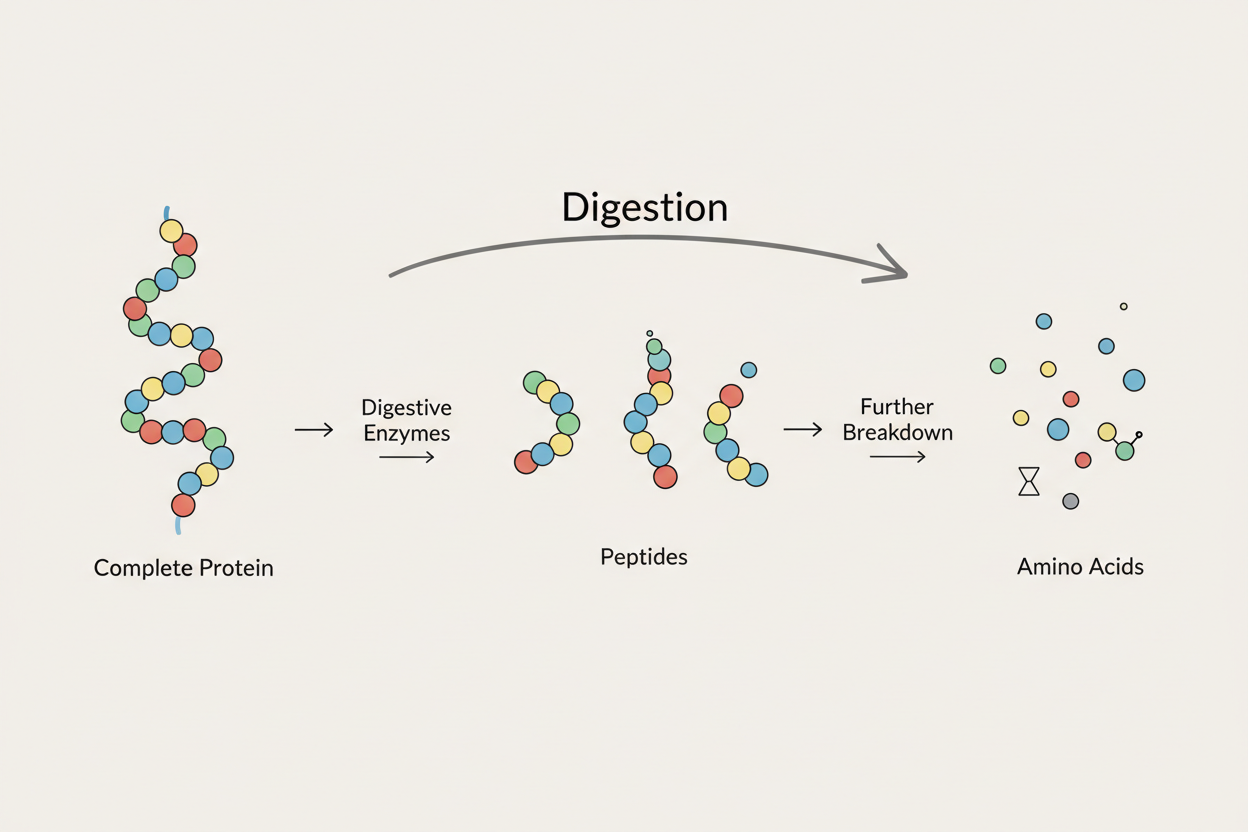
When protein is digested, it is broken down into amino acids that enter the bloodstream and contribute to a circulating amino acid pool.
From this pool, the body:
-
Draws amino acids as needed
-
Supports normal protein turnover
-
Maintains tissues continuously
This process happens all day, not only at specific moments.
Is There a Best Time to Eat Protein
There is no single best time that applies to everyone.
Protein can be consumed:
-
With meals
-
Between meals
-
Earlier or later in the day
What matters most is that protein intake is regular and aligns with digestion and lifestyle preferences.
Protein Timing and Digestive Comfort
Digestive comfort often matters more than timing rules.
Some people feel better when:
-
Protein is spread across meals
-
Large servings are avoided
-
Protein is paired with other foods
Listening to how the body responds can help determine what timing feels most comfortable.
Protein Timing and Physical Activity
Activity level can influence when protein feels most useful.
For example:
-
Some people enjoy protein after activity
-
Others prefer protein earlier or later
These preferences are individual and do not require rigid timing to support normal nutrition.
Consistency Matters More Than Precision
Consistent protein intake has a greater impact than precise timing.
A routine that:
-
Is easy to follow
-
Supports digestion
-
Fits daily habits
is more sustainable than one that relies on strict timing rules.
Avoiding Stress Around Protein Timing
Overemphasizing timing can create unnecessary stress around nutrition.
Balanced nutrition works best when:
-
Protein fits naturally into meals
-
Intake feels comfortable
-
Digestion is supported
Removing rigid expectations allows protein to support daily nutrition more effectively.
Protein Timing as a Habit, Not a Rule
Over time, the body adapts to regular intake patterns.
Establishing habits that include protein at times that feel natural supports consistency and long term use without the need for strict schedules.
Part of the Nutrition Foundations Series
This article is part of our Nutrition Foundations series, where we explain how protein intake, digestion, and daily routines support normal body function.
👉 Visit the Nutrition Foundations hub to explore more articles in this series.
Related Articles in This Series
You may also find these helpful:
About Earth Fuel
Earth Fuel is built around one principle: simple protein. Nothing extra. We focus on clear formulation, ingredient transparency, and structural integrity across every stage of the protein lifecycle. Learn more about our approach and formulation philosophy on the
Earth Fuel homepage
FAQ
Does protein need to be eaten at a specific time
No. Protein supports daily nutrition when intake is consistent and comfortable.
Is it better to spread protein throughout the day
Many people find spreading intake supports digestion and consistency.
Does protein timing affect digestion
Timing can influence comfort depending on individual tolerance and meal composition.
Is protein timing more important than total intake
Overall intake and digestion matter more than precise timing.
Should protein be eaten with meals or alone
Both approaches can work depending on preference and digestion.
Can protein timing change over time
Yes. Preferences often evolve with lifestyle and routine changes.

Written by Earth Fuel