Plant Protein and Protein Quality Explained
Plant protein is often discussed in relation to protein quality, a concept used to describe how protein is structured and evaluated based on its amino acid composition and organization. Understanding protein quality from a mechanical perspective focuses on structure and composition rather than assumptions or outcomes.
All proteins are made up of amino acids arranged in chains. These amino acids form specific sequences that determine the structure of the protein. Protein quality is a way of describing how these amino acids are distributed within a given protein source.
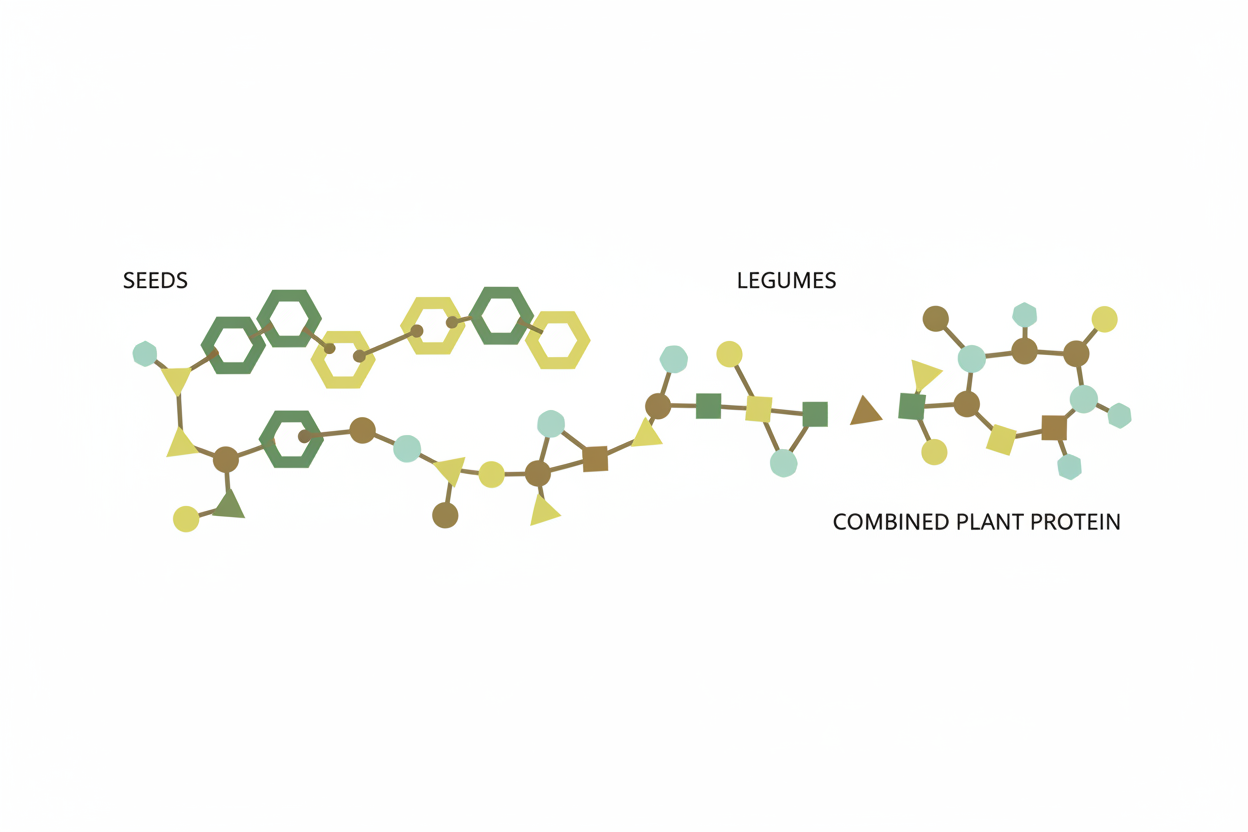
Plant protein sources such as seeds, legumes, and grains each have unique amino acid patterns. These patterns are what protein quality attempts to describe.
This article explains plant protein and protein quality using neutral, science based language focused on composition and structure.
What Protein Quality Means
Protein quality refers to how the amino acids within a protein are arranged and distributed.
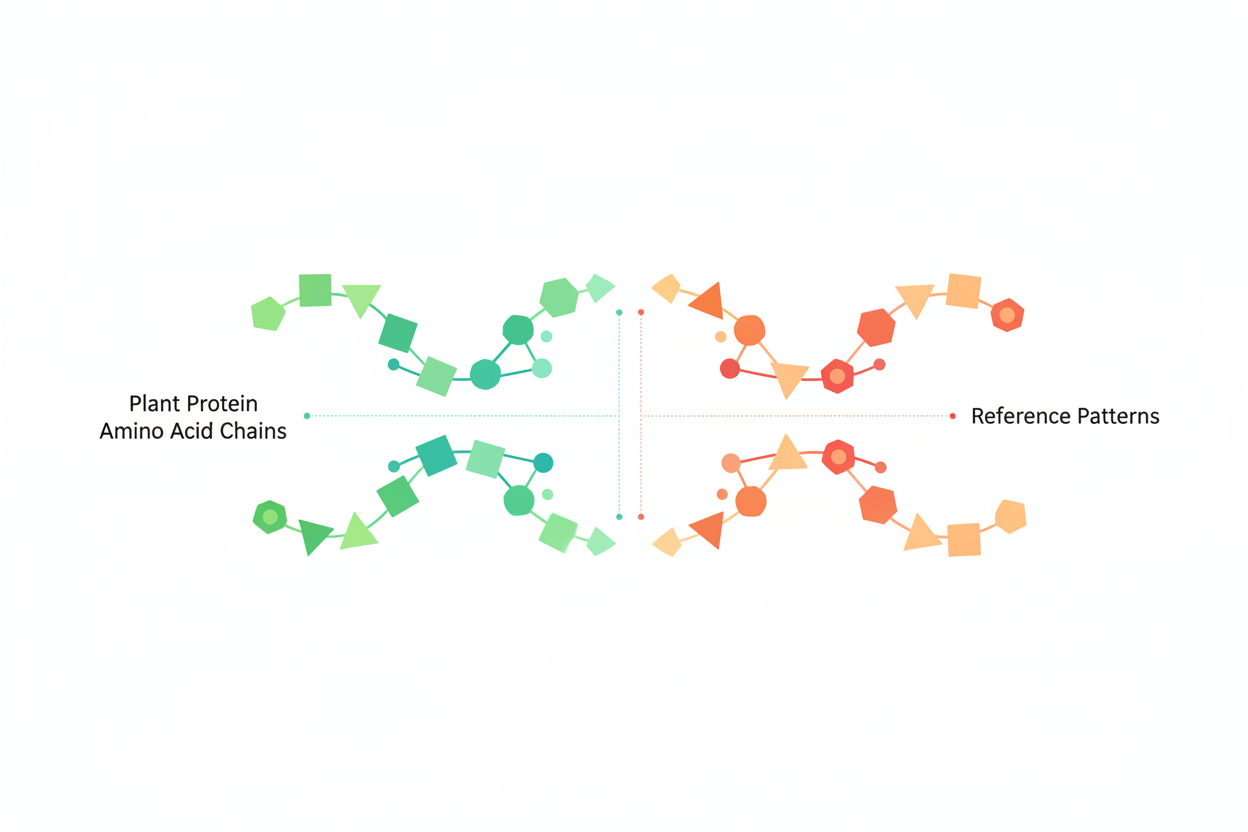
It is not a single property, but rather a way of evaluating protein based on its amino acid profile and how it compares to reference patterns.
Different protein sources have different amino acid compositions. These differences are used to describe variations in protein quality.
Rather than assigning value, protein quality provides a framework for comparing protein structures across sources.
Understanding protein quality begins with recognizing that it is based on amino acid composition.
Amino Acid Composition and Structure
The structure of a protein is determined by the sequence and proportion of amino acids it contains.
Plant protein sources contain all amino acids, but the distribution varies depending on the source. This variation creates different structural profiles for each protein.
For example, proteins derived from seeds may have different amino acid distributions than those derived from legumes or grains.
These structural differences are what protein quality seeks to describe.
Understanding amino acid composition helps explain how protein quality is evaluated mechanically.
How Protein Quality Is Evaluated
Protein quality is typically evaluated by comparing the amino acid composition of a protein source to a reference pattern.
This comparison looks at how closely the distribution of amino acids aligns with that reference.
Different evaluation methods exist, but they all focus on amino acid composition and structure rather than external characteristics.
Processing and formulation can influence how protein is presented, but the underlying amino acid composition remains the basis of evaluation.
Understanding evaluation methods helps clarify how protein quality is assessed.
What Happens After Digestion
After consumption, plant protein is broken down into amino acids.
A deeper explanation of how protein is broken down can be found here:
https://getearthfuel.com/blogs/learn/what-is-protein-metabolism
These amino acids are absorbed into the bloodstream and used throughout the body.
The body does not use intact protein structures from food. Instead, it relies on the amino acids that result from digestion.
This means that protein quality is a structural characteristic of the protein before digestion rather than a direct measure of how amino acids function after absorption.
Comparing Protein Sources Mechanically
Protein quality is often used to compare different protein sources, but a mechanical understanding focuses on composition rather than conclusions.
Different plant protein sources have different amino acid patterns. These patterns can be compared based on structure without assigning assumptions.
This approach allows for a clearer understanding of how protein sources differ.
By focusing on composition, protein quality becomes a descriptive tool rather than a simplified label.
Part of the Protein Science Foundations Series
This article is part of the Earth Fuel Protein Science Foundations series, where we explore how protein functions within modern nutrition.
The series focuses on protein structure, sourcing, and how protein ingredients are used in formulation systems.
Related Articles in This Series
Plant Protein Explained for Beginners
Plant Protein Compared Without Bias
What Protein Quality Really Means
Price vs Quality in Protein Powders
Why Cheaper Protein Is Not Always Better
About Earth Fuel
Earth Fuel is built around one principle: simple protein. Nothing extra. We focus on clean ingredients, transparent sourcing, and clear formulation practices across every stage of the protein lifecycle. Learn more about the formulation and ingredients behind Earth Fuel plant protein powder:
Frequently Asked Questions
What does protein quality mean
It refers to how amino acids are distributed within a protein source.
Do plant proteins have different quality levels
They have different amino acid compositions, which are used for comparison.
How is protein quality measured
It is evaluated by comparing amino acid composition to reference patterns.
Does digestion change protein quality
Digestion breaks protein into amino acids, which are then used by the body.
Why is protein quality important to understand
It helps explain how protein sources are structured and compared.

Written by Earth Fuel