Plant Protein and Protein Utilization
Plant protein is often discussed in relation to how it is used after consumption. From a mechanical perspective, protein utilization refers to how amino acids derived from protein are processed and distributed within the body after digestion.
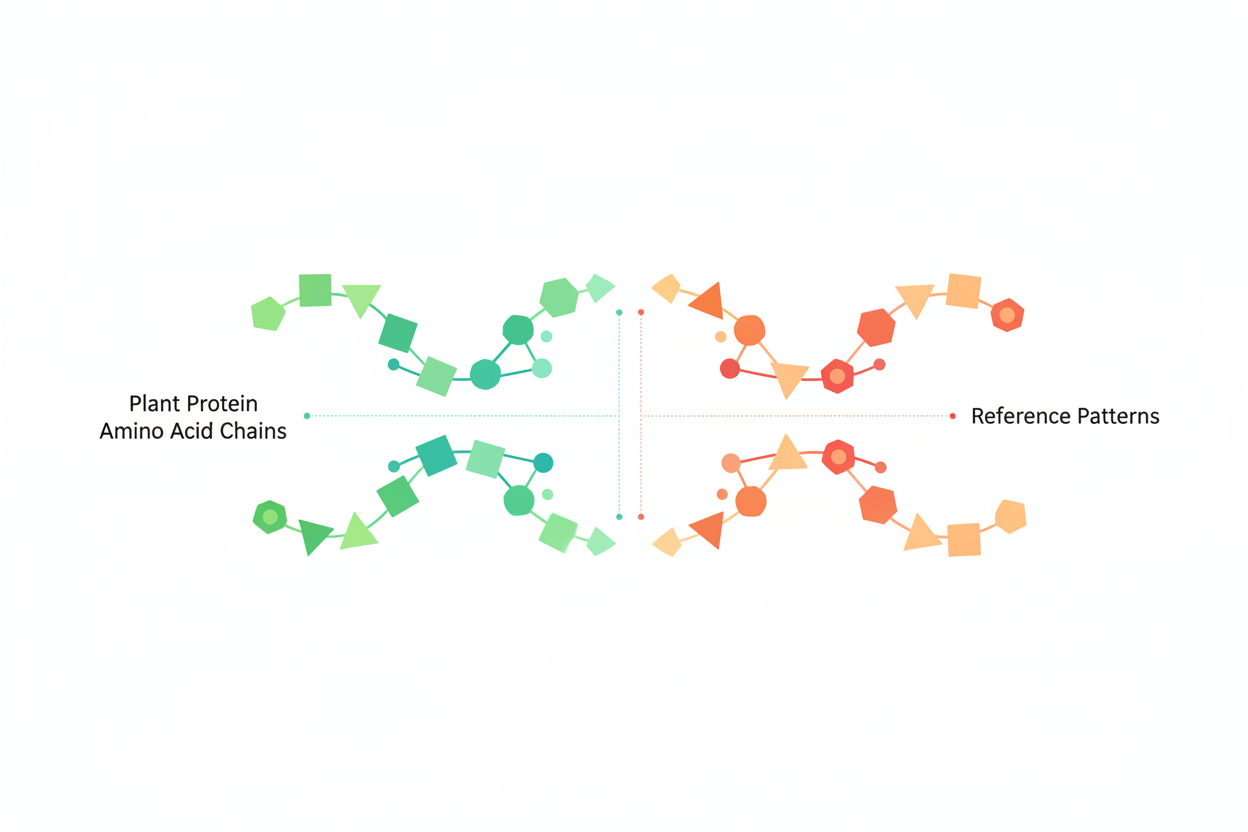
All protein sources are composed of amino acids arranged in chains. These chains must be broken down during digestion before amino acids can be absorbed and utilized.
Understanding plant protein utilization requires focusing on how protein is broken down, how amino acids enter circulation, and how they are used within biological systems.
This article explains plant protein and protein utilization using neutral, science based language focused on structure, digestion, and amino acid handling.
What Protein Utilization Means
Protein utilization refers to how amino acids from protein are used after digestion.
It does not refer to the protein in its original form, but rather to the amino acids that result when protein is broken down.
Once amino acids are absorbed into the bloodstream, they become available for use throughout the body in various structural and metabolic processes.
Protein utilization is therefore a function of digestion and absorption rather than the intact protein source.
Understanding this distinction is essential when evaluating how protein is used.
Digestion and Amino Acid Release
Before protein can be utilized, it must be digested.
Protein digestion involves breaking amino acid chains into smaller peptides and individual amino acids. These components are then absorbed through the intestinal lining into the bloodstream.
A detailed explanation of how protein is transported in the body can be found here:
how the body transports amino acids
This process applies to all protein sources, including plant protein.
The result of digestion is a pool of amino acids that can be used by the body.
Understanding digestion helps clarify how protein utilization begins.
Amino Acid Availability
Once amino acids enter the bloodstream, they become part of what is often referred to as the amino acid pool.
This pool represents the available amino acids that can be used for various biological functions.
The body draws from this pool as needed, depending on internal processes and demands.
Amino acid availability is influenced by digestion, absorption, and how amino acids are distributed throughout the body.
Understanding availability provides insight into how protein utilization occurs at a systems level.
How the Body Uses Amino Acids
After absorption, amino acids are used throughout the body for structural and functional purposes.
They may be incorporated into new proteins, used in enzymatic processes, or involved in various metabolic pathways.
The body does not distinguish between amino acids based on their original protein source. Instead, it uses them based on current physiological needs.
This reinforces the idea that protein utilization is based on amino acid handling rather than the original protein structure.
Understanding this process helps clarify how protein is used after digestion.
Plant Protein in the Context of Utilization
Plant protein contributes amino acids to the same biological systems as other protein sources.
The differences between plant protein sources relate to their amino acid composition and structure before digestion.
Once broken down, amino acids from plant protein enter the same pathways as those from any other protein source.
This highlights that protein utilization is not determined by the original source, but by how amino acids are processed after absorption.
Understanding this distinction allows for a clearer evaluation of plant protein.
Part of the Protein Science Foundations Series
This article is part of the Earth Fuel Protein Science Foundations series, where we explore how protein functions within modern nutrition.
The series focuses on protein structure, sourcing, and how protein ingredients are used in formulation systems.
Related Articles in This Series
Plant Protein Explained for Beginners
Plant Protein Compared Without Bias
What Protein Quality Really Means
Price vs Quality in Protein Powders
Why Cheaper Protein Is Not Always Better
About Earth Fuel
Earth Fuel is built around one principle: simple protein. Nothing extra. We focus on clean ingredients, transparent sourcing, and clear formulation practices across every stage of the protein lifecycle. Learn more about the formulation and ingredients behind Earth Fuel plant protein powder:
Frequently Asked Questions
What is protein utilization
It refers to how amino acids are used after protein is digested and absorbed.
Does plant protein get utilized differently
After digestion, amino acids from all protein sources are used through the same biological pathways.
What happens during protein digestion
Protein is broken down into amino acids that can be absorbed into the bloodstream.
What is the amino acid pool
It is the collection of amino acids available in the body for various functions.
Why is protein utilization important to understand
It explains how protein is used after digestion rather than focusing only on the source.

Written by Earth Fuel