How Protein Powder Ingredients Are Made
Protein powder ingredients go through multiple steps before they appear as finished products. These steps are designed to separate protein from raw food sources and prepare it for consistent use in powdered form.
Protein powders are created through multiple processing stages. This article explains how those processing methods work in detail:
https://getearthfuel.com/blogs/learn/protein-powder-processing-methods-explained
This article explains how protein powder ingredients are made using clear, foundational language. The focus is on process and structure rather than outcomes, performance, or recommendations.
You can also explore how ingredient sourcing impacts the final structure of protein ingredients:
https://getearthfuel.com/blogs/learn/protein-ingredient-sourcing-explained
Protein Powder Ingredients Start With Whole Food Sources
Protein powder ingredients originate from raw agricultural sources.
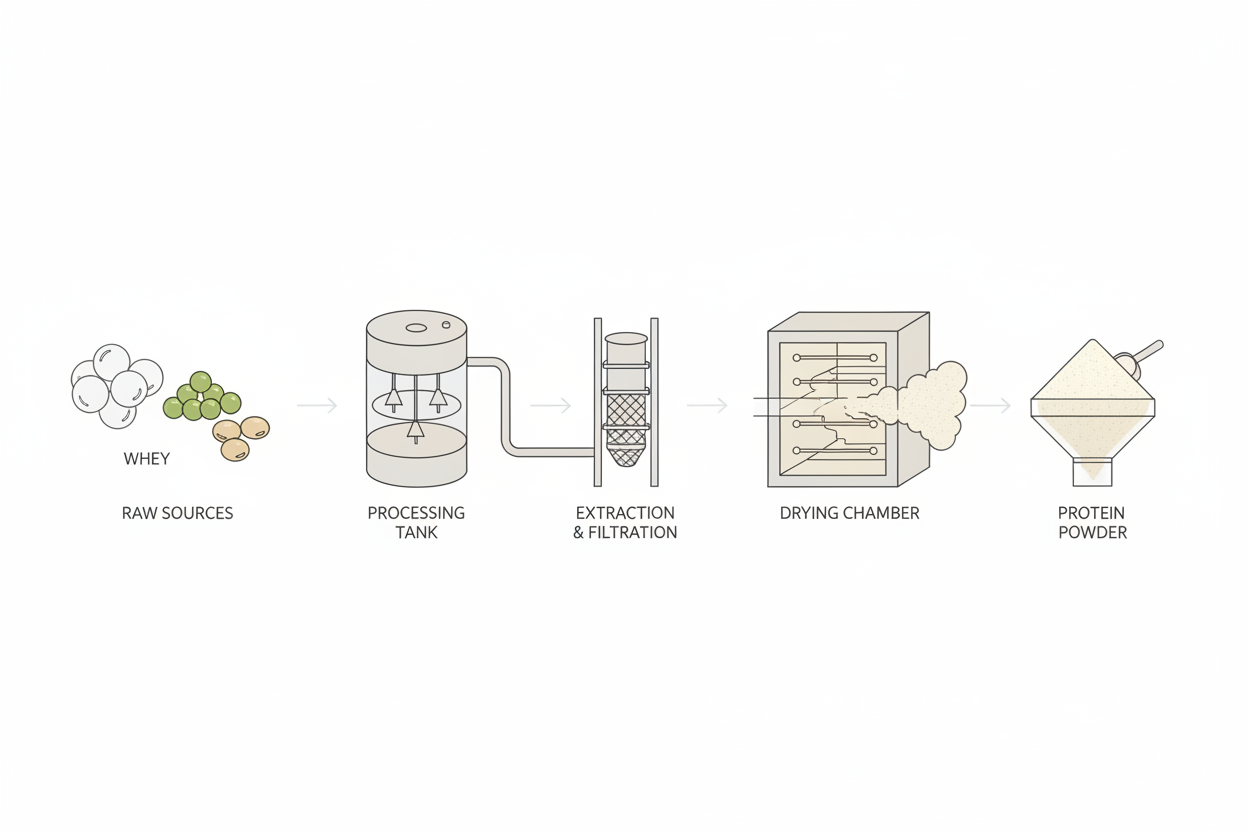
These sources may include plants such as seeds, legumes, or grains, or animal derived materials depending on the type of protein being produced. At this stage, protein exists as part of a complex whole food matrix alongside fiber, carbohydrates, fats, and other compounds.
The goal of processing is to separate protein from these other components in a controlled way.
Separation Is the Core Objective
The primary purpose of protein ingredient manufacturing is separation.
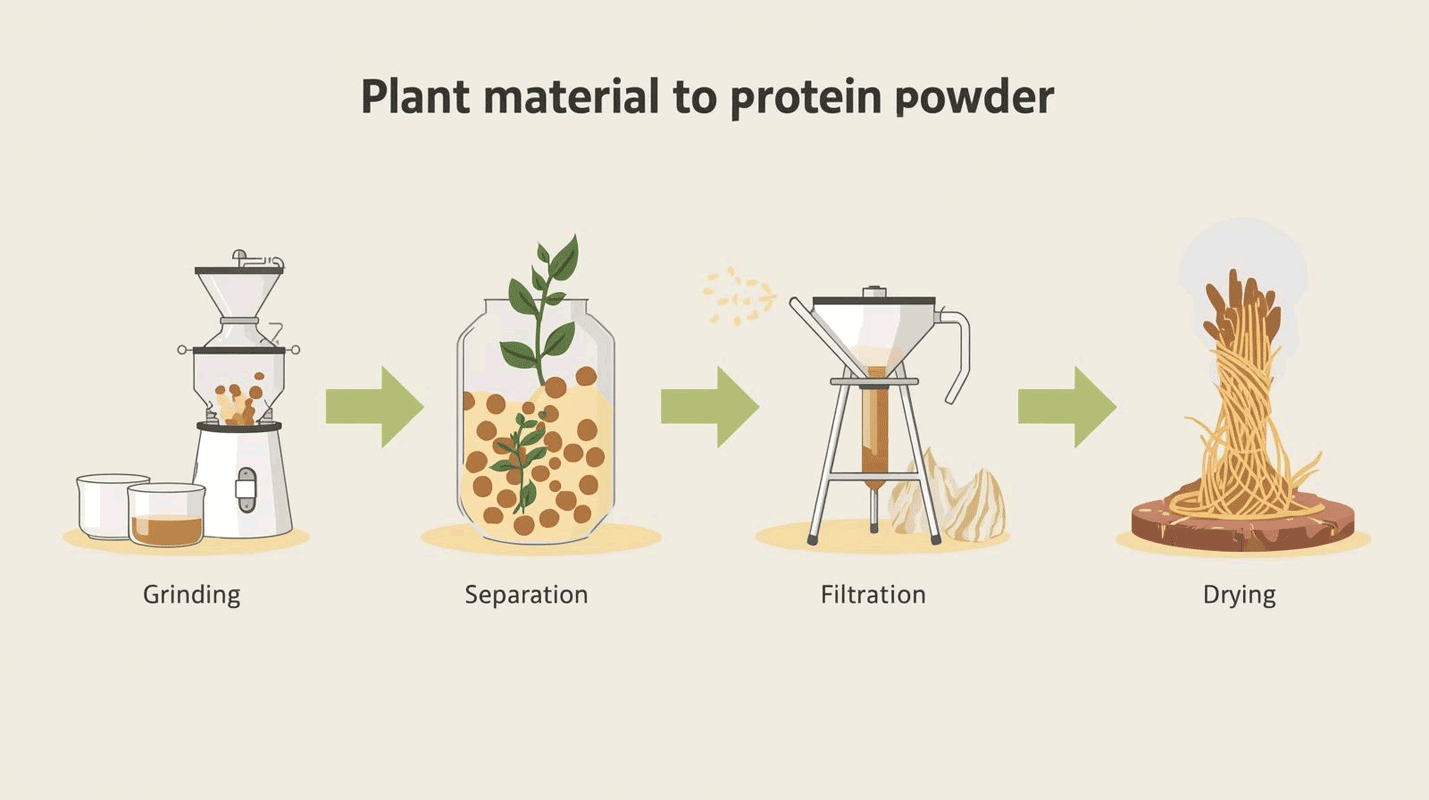
Manufacturers use mechanical and physical methods to isolate protein from the rest of the raw material. This does not involve creating protein from scratch. Instead, it involves concentrating protein that already exists in the source material.
The degree of separation determines whether the final ingredient is a concentrate, isolate, or blend.
Water Based Processing Methods
Many protein ingredients are made using water based processing.
Water is used to dissolve, filter, and separate protein from other components. Filtration steps allow smaller molecules to pass through while retaining protein structures.
These steps are repeated as needed to achieve the desired protein concentration and consistency.
Drying and Powder Formation
Once protein has been separated and concentrated, it must be dried.
Drying removes moisture and converts liquid protein solutions into powder form. This step helps stabilize the ingredient and makes it easier to store, transport, and incorporate into finished products.
Drying methods are selected to preserve protein structure while achieving a consistent powder texture.
Processing Affects Ingredient Characteristics
The way protein ingredients are made influences their physical properties.
Processing can affect:
-
particle size
-
solubility
-
texture
-
consistency
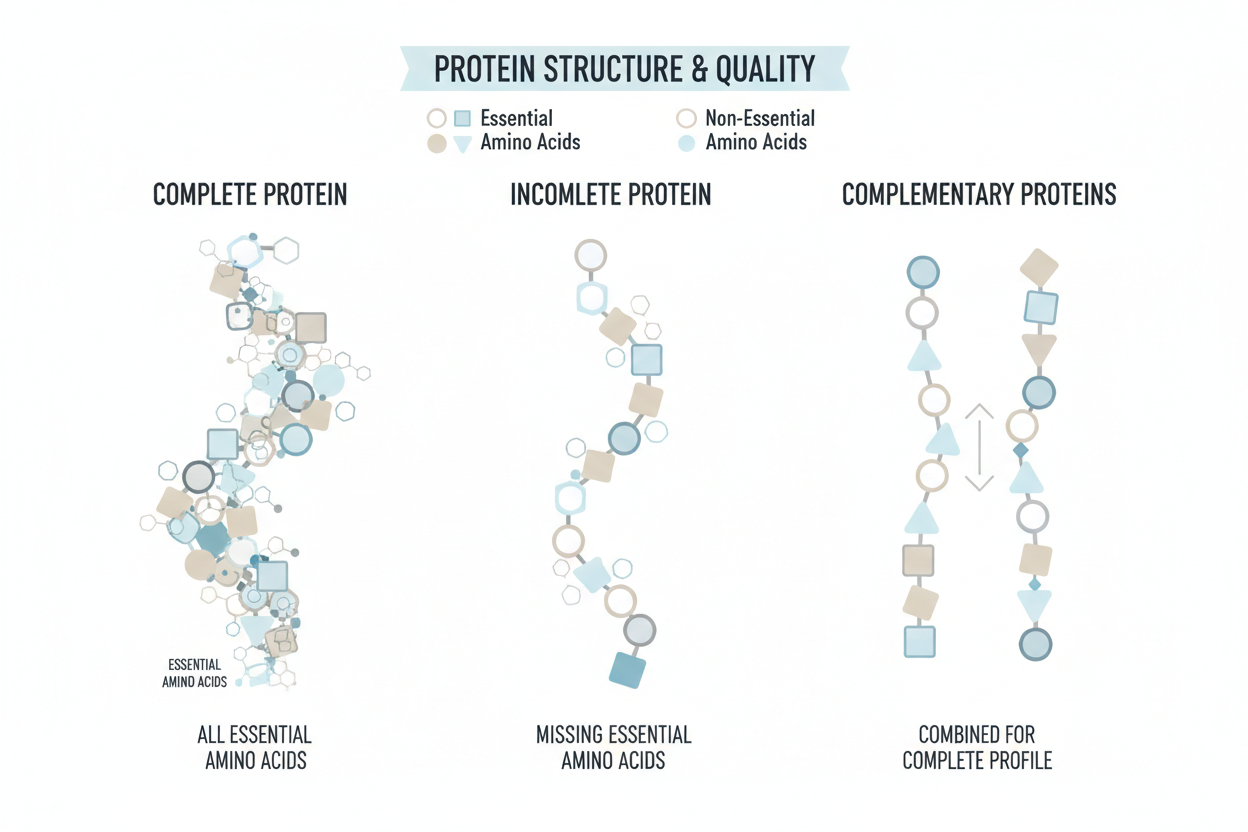
These characteristics matter for formulation and manufacturing but do not change the fundamental role of protein as a source of amino acids.
Quality Control During Manufacturing
Protein ingredient manufacturing includes quality control steps.
These steps verify protein content, moisture levels, and consistency across batches. Quality control helps ensure that protein ingredients meet defined specifications before they are used in consumer products.
This process supports uniformity rather than altering biological function.
How This Fits Into Protein Fundamentals
Protein Fundamentals focuses on how protein moves from source to use.
Understanding how protein powder ingredients are made provides context for later discussions about digestibility, structure, and formulation. It explains how raw protein sources are transformed into standardized ingredients without shifting into outcomes or claims.
The explanation remains grounded in process and production.
Part of the Nutrition Foundations Series
This article is part of our Nutrition Foundations series, where we explain how different macronutrients are digested and used by the body.
👉 Visit the Nutrition Foundations hub to explore more articles in this series.
Related Articles in This Series
About Earth Fuel
Earth Fuel is built around one principle: simple protein. Nothing extra. We focus on clear formulation, ingredient transparency, and structural integrity across every stage of the protein lifecycle. Learn more about our approach and formulation philosophy on the
Earth Fuel homepage
Frequently Asked Questions
Q: Are protein powder ingredients synthetic
A: No. Protein powder ingredients are derived from real food sources and concentrated through processing.
Q: Is protein created during manufacturing
A: No. Protein already exists in the source material and is separated during processing.
Q: Do all protein powders use the same process
A: No. Processing methods vary depending on the source and desired ingredient characteristics.
Q: Does processing change amino acids
A: Processing focuses on separation and drying rather than altering amino acid structure.
Q: Are protein powders made using chemicals
A: This article focuses on general processing concepts rather than specific manufacturing inputs.
Q: Does this article compare protein powders
A: No. It explains how ingredients are made, not how products compare.

Written by Earth Fuel