Protein Isolates vs Concentrates Explained
Protein isolates and protein concentrates are two common forms of protein ingredients. While both originate from the same raw protein sources, they differ in how much processing is used to separate protein from other naturally occurring components.
This article explains protein isolates and concentrates using clear, foundational language. The focus is on processing differences and structure rather than outcomes, performance, or recommendations.
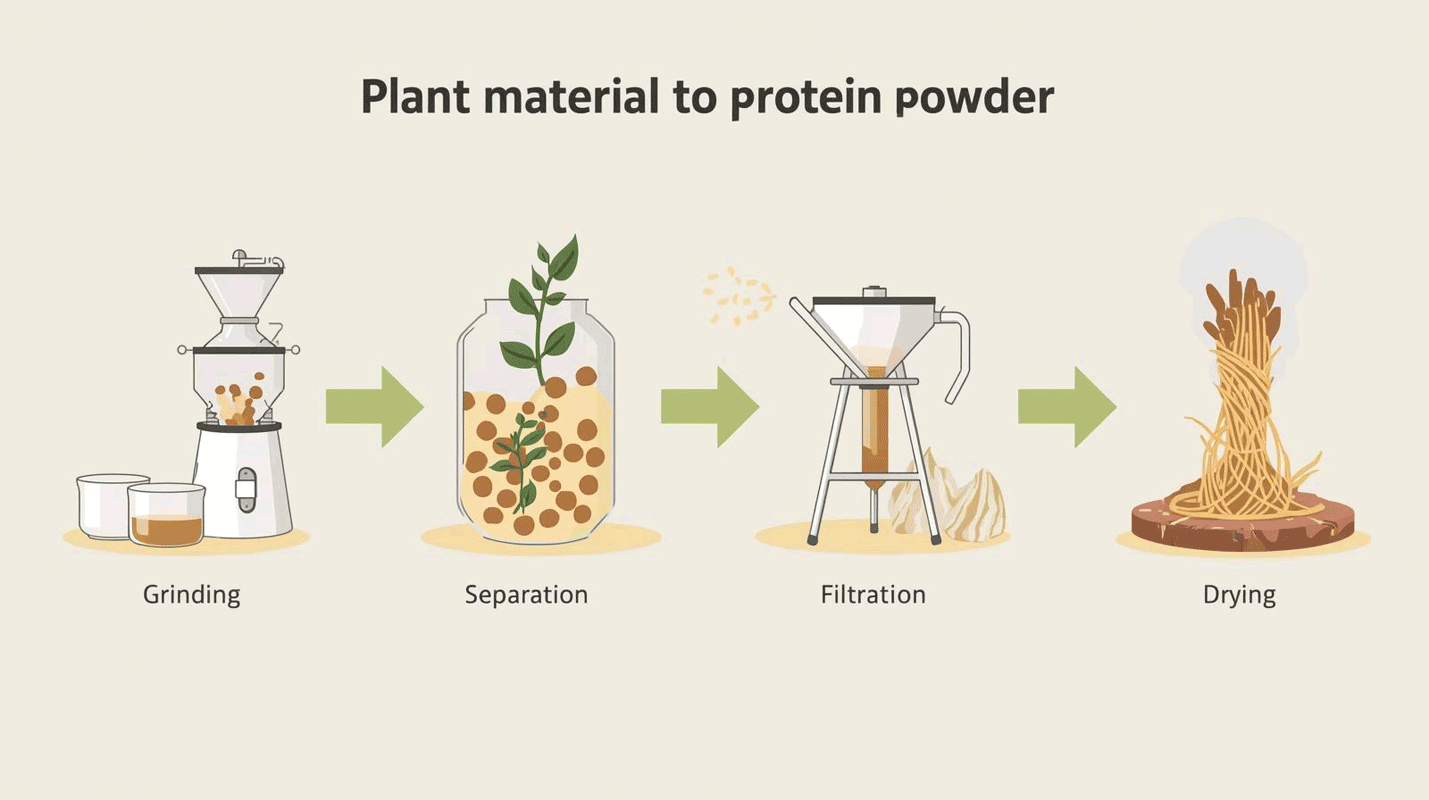
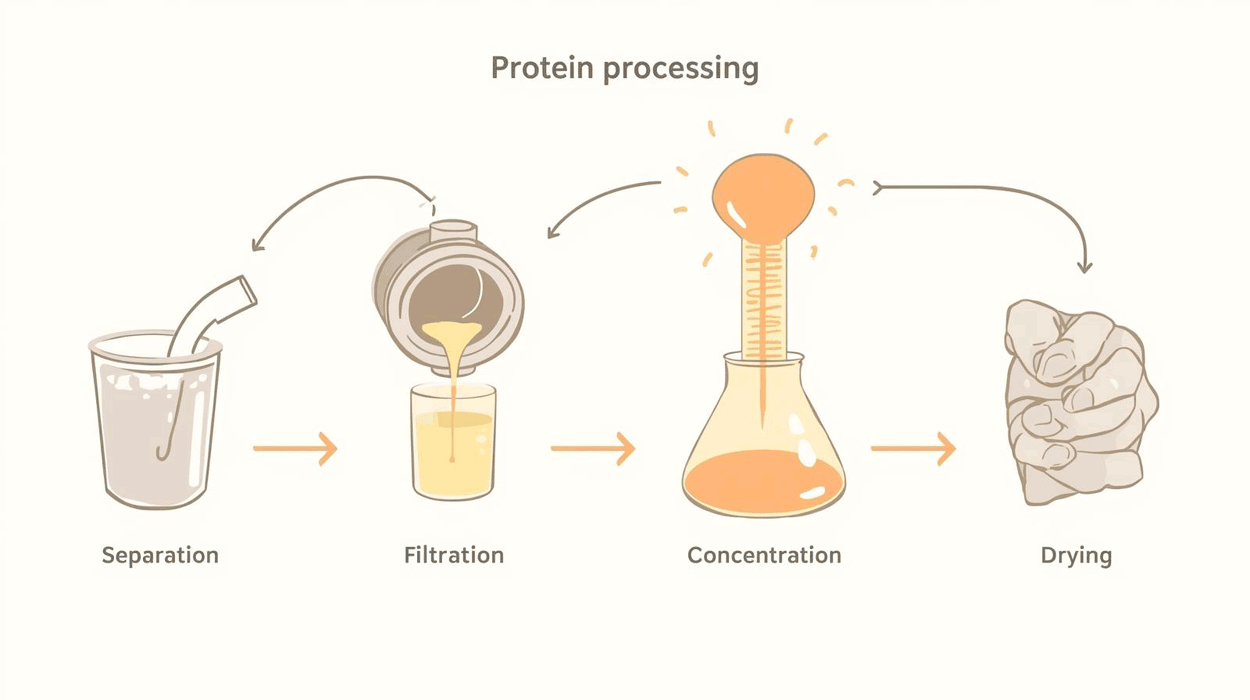
Protein isolates and concentrates differ based on processing. This article explains how protein processing methods work in detail:
https://getearthfuel.com/blogs/learn/protein-powder-processing-methods-explained
What Protein Concentrates Are
Protein concentrates are protein ingredients that retain more of the original source material.
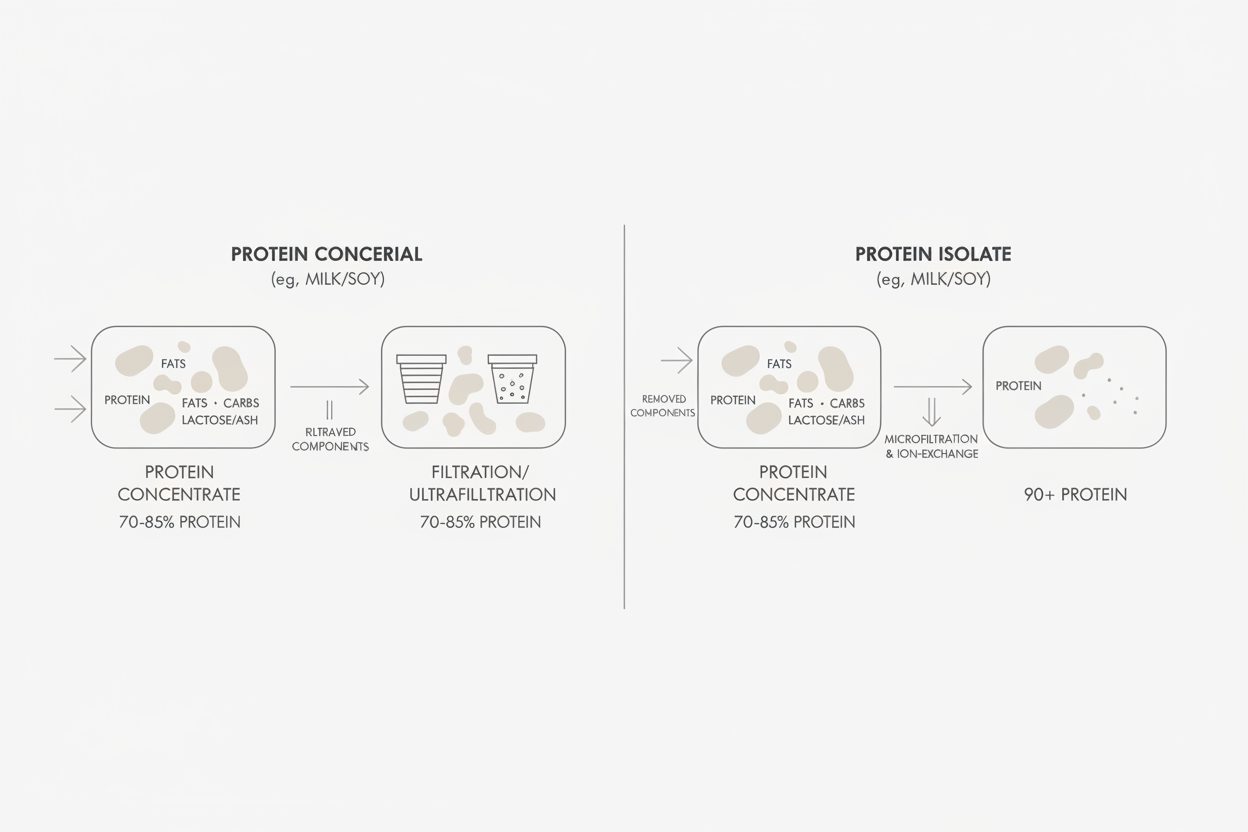
During processing, protein is separated from the raw source, but a portion of naturally occurring components such as fiber, carbohydrates, or fats may remain. The result is an ingredient with a moderate level of protein concentration.
Concentrates reflect a lighter degree of separation rather than complete refinement.
You can also explore how ingredient sourcing affects protein structure:
https://getearthfuel.com/blogs/learn/protein-ingredient-sourcing-explained
What Protein Isolates Are
Protein isolates undergo additional processing steps.
These steps are designed to remove more non protein material, resulting in a higher proportion of protein by weight. Isolates are more refined versions of the same original protein source.
The difference between isolates and concentrates lies in processing depth, not protein origin.
How Processing Creates the Difference
The distinction between isolates and concentrates is created during manufacturing.
Both start with the same raw protein source. Additional filtration, washing, or separation steps are applied to isolates to remove more non protein components.
These extra steps increase protein concentration while changing physical characteristics such as texture and solubility.
Amino Acids Remain the Same
Processing does not change the amino acids that make up protein.
Both isolates and concentrates contain the same amino acids derived from the original source. The difference lies in how much accompanying material remains alongside the protein.
From a biological perspective, protein is still broken down into amino acids during digestion regardless of form.
Physical and Formulation Differences
Isolates and concentrates can behave differently in formulations.
Processing depth may influence:
-
solubility
-
texture
-
mixability
-
consistency
These characteristics matter for manufacturing and product design but do not alter the fundamental role of protein as a source of amino acids.
Why Both Forms Exist
Both isolates and concentrates are used for different formulation needs.
Some applications prioritize minimal processing, while others prioritize higher protein concentration. These choices are based on manufacturing goals rather than biological function.
Understanding this distinction helps clarify why both forms are commonly available.
How This Fits Into Protein Fundamentals
Protein Fundamentals explains how protein moves from source to use.
Protein isolates and concentrates represent different processing paths that lead to usable protein ingredients. This topic provides context for later discussions about digestibility, structure, and formulation without shifting into evaluation or claims.
The explanation remains grounded in process and production.
Part of the Nutrition Foundations Series
This article is part of our Nutrition Foundations series, where we explain how different macronutrients are digested and used by the body.
👉 Visit the Nutrition Foundations hub to explore more articles in this series.
Related Articles in This Series
About Earth Fuel
Earth Fuel is built around one principle: simple protein. Nothing extra. We focus on clear formulation, ingredient transparency, and structural integrity across every stage of the protein lifecycle. Learn more about our approach and formulation philosophy on the
Earth Fuel homepage
Frequently Asked Questions
Q: Are isolates and concentrates made from different proteins
A: No. Both are made from the same original protein sources.
Q: Does isolate mean better protein
A: Isolate refers to processing depth, not biological superiority.
Q: Do isolates contain different amino acids
A: No. Amino acid composition comes from the original source.
Q: Are concentrates less processed
A: Yes. Concentrates retain more of the original non protein material.
Q: Does processing affect digestion
A: Processing affects physical characteristics, while digestion breaks protein into amino acids.
Q: Does this article recommend one over the other
A: No. It explains the difference without recommendation.

Written by Earth Fuel