How Processing Affects Protein Structure (And Why It Matters to Your Gut)
How Processing Affects Protein Structure and Quality
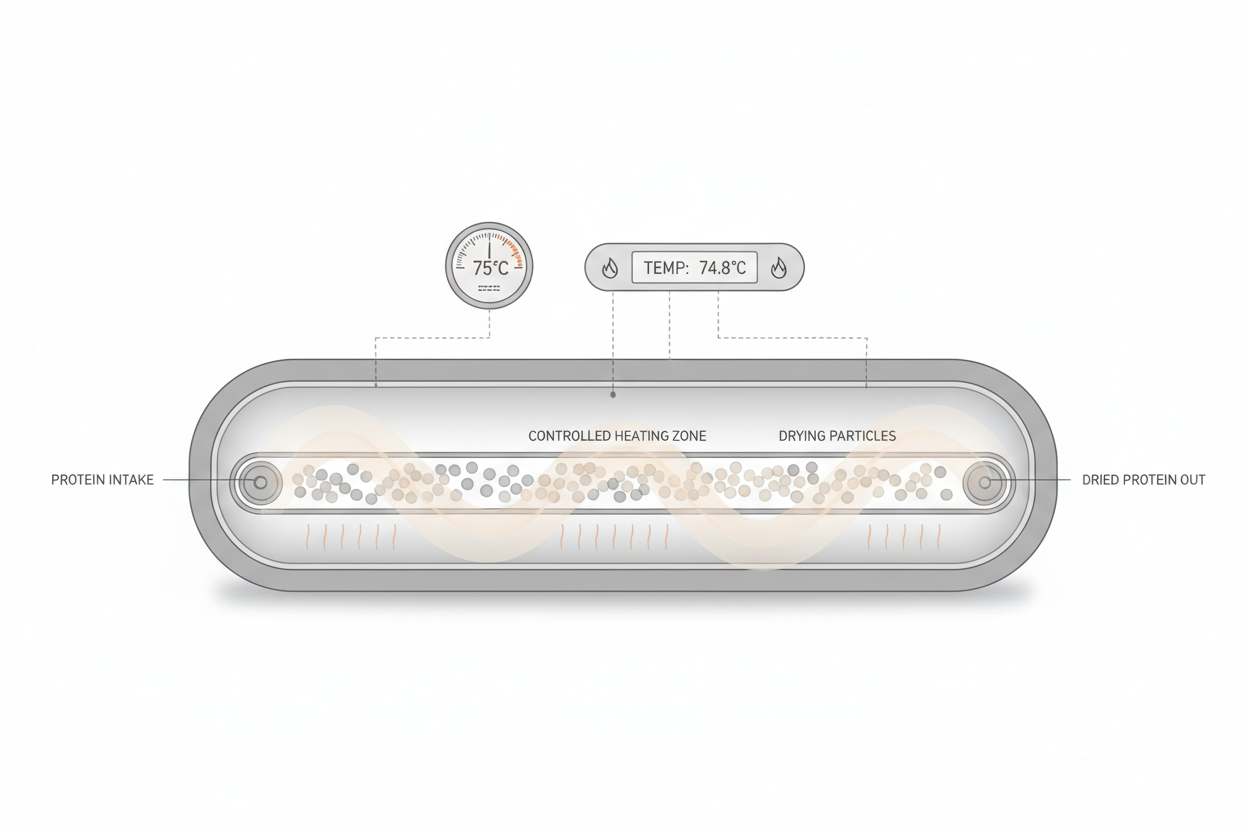
- High-Heat Denaturation: Many commercial brands use high heat to rapidly dry their protein liquid. This intense heat alters the fragile protein structure, making it harder for your stomach enzymes to break down, which leads to bloating.
- Chemical Solvents vs. Cold-Pressing: Heavy chemical processing (using solvents like hexane) strips away natural micronutrients. Mechanical, cold-pressed extraction preserves the natural protein structure, keeping it intact and clean.
- Enzyme Preservation: Gentle, low-temperature handling keeps the natural plant enzymes intact, directly aiding your body's ability to smoothly assimilate the amino acids.
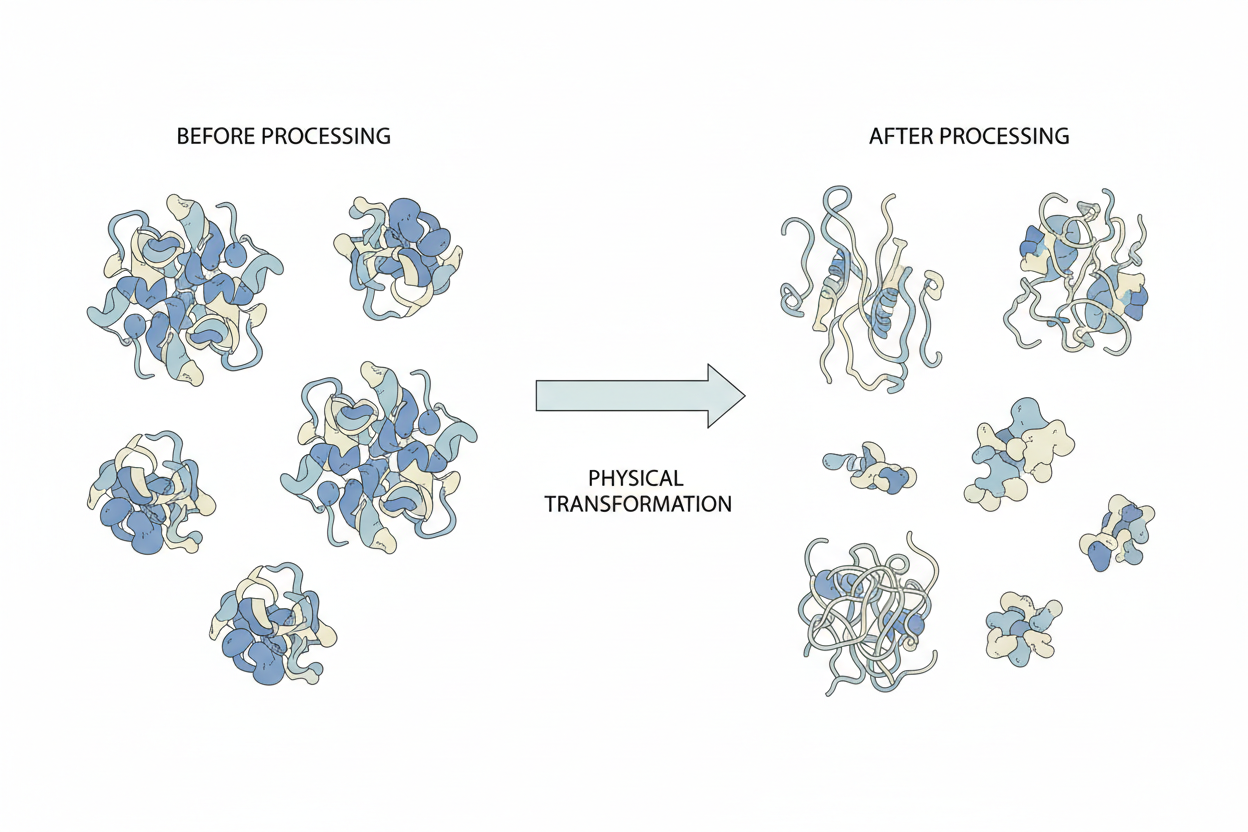
Protein structure refers to the physical shape and organization of protein molecules. During ingredient production, processing steps can influence how protein molecules are arranged without changing what protein is at a biological level.
This article explains how processing affects protein structure using clear, foundational language. The focus is on physical and structural changes rather than outcomes, performance, or recommendations.
Protein Structure Exists Before Processing
Proteins have structure before any processing occurs.
Inside raw food sources, protein molecules are already arranged in specific shapes determined by their amino acid sequences. These structures exist naturally as part of plant or animal tissues.
Processing does not create protein structure. It interacts with structure that already exists.
Mechanical Processing and Structure
Mechanical steps such as grinding or mixing can influence protein structure.
These steps break raw materials into smaller particles, increasing surface area and changing how protein molecules are physically arranged within the material. Mechanical processing affects organization and exposure rather than altering amino acid composition.
The protein itself remains the same at the molecular level.
Water Based Processing and Protein Arrangement
Water based processing methods can influence how protein molecules unfold or interact.
When proteins are mixed with water during separation and filtration, their physical arrangement can shift. This may change how proteins interact with one another or with surrounding components.
These changes affect structure in a physical sense, not biological identity.
Filtration and Structural Refinement
Filtration steps influence which protein structures are retained.
By separating protein from other components, filtration changes how protein molecules are grouped and concentrated. This can affect density, particle size, and how protein behaves in powder form.
Filtration does not change amino acid sequences. It changes structural organization.
Drying and Final Structure
Drying plays a key role in determining final protein structure.
As moisture is removed, protein molecules settle into stable arrangements that define powder texture and consistency. Drying methods are selected to support stability rather than to modify biological properties.
The final structure reflects how protein is arranged after processing, not how it functions during digestion.
Structural Changes Are Physical, Not Functional
Processing affects physical structure rather than biological function.
Regardless of processing, protein is broken down into amino acids during digestion. Structural differences influence formulation and handling but do not change how amino acids are ultimately used by the body.
This distinction helps clarify why structure is discussed separately from biological outcomes.
How This Fits Into Protein Fundamentals
Protein Fundamentals explains how protein moves from source to use.
Understanding how processing affects protein structure adds context to discussions about ingredient behavior, consistency, and formulation. It explains physical changes that occur before digestion without shifting into evaluation or claims.
The explanation remains grounded in structure and process.
Part of the Nutrition Foundations Series
This article is part of our Nutrition Foundations series, where we explain how different macronutrients are digested and used by the body.
👉 Visit the Nutrition Foundations hub to explore more articles in this series.
Related Articles in This Series
When the natural structural balance of a plant is disrupted by harsh manufacturing, your stomach pays the price. Read our full breakdown on why protein powder may cause bloating and what to look for to protect your digestive comfort
About Earth Fuel
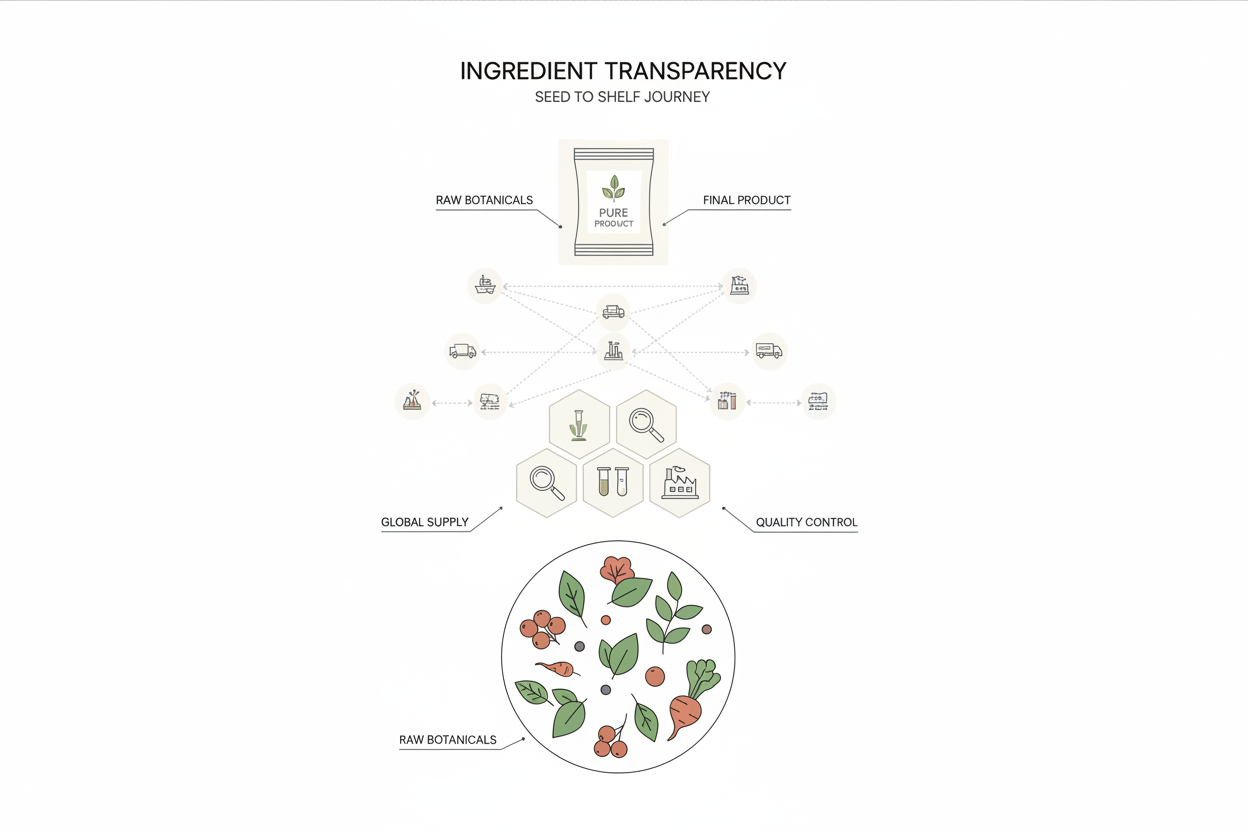
Earth Fuel is built around one principle: simple protein. Nothing extra. We focus on clear formulation, ingredient transparency, and structural integrity across every stage of the protein lifecycle. Learn more about our approach and formulation philosophy on the 
Frequently Asked Questions
Q: Does processing change protein into something new
A: No. Processing affects physical arrangement, not protein identity.
Q: Are amino acids changed by processing
A: No. Amino acid sequences remain the same.
Q: Does structure affect digestion
A: Structure influences physical behavior before digestion, while digestion breaks protein into amino acids.
Q: Is processing always harsh on protein
A: Processing varies widely and focuses on separation and stabilization.
Q: Does structure matter for formulation
A: Yes. Structure influences texture and handling during manufacturing.
Q: Does this article evaluate processing quality
A: No. It explains structural effects without evaluation.

Written by Earth Fuel