Ingredient Sourcing Transparency Explained
Ingredient sourcing transparency refers to how clearly information about ingredient origin and supply chain is communicated. Transparency focuses on disclosure and traceability rather than outcomes, performance, or recommendations.
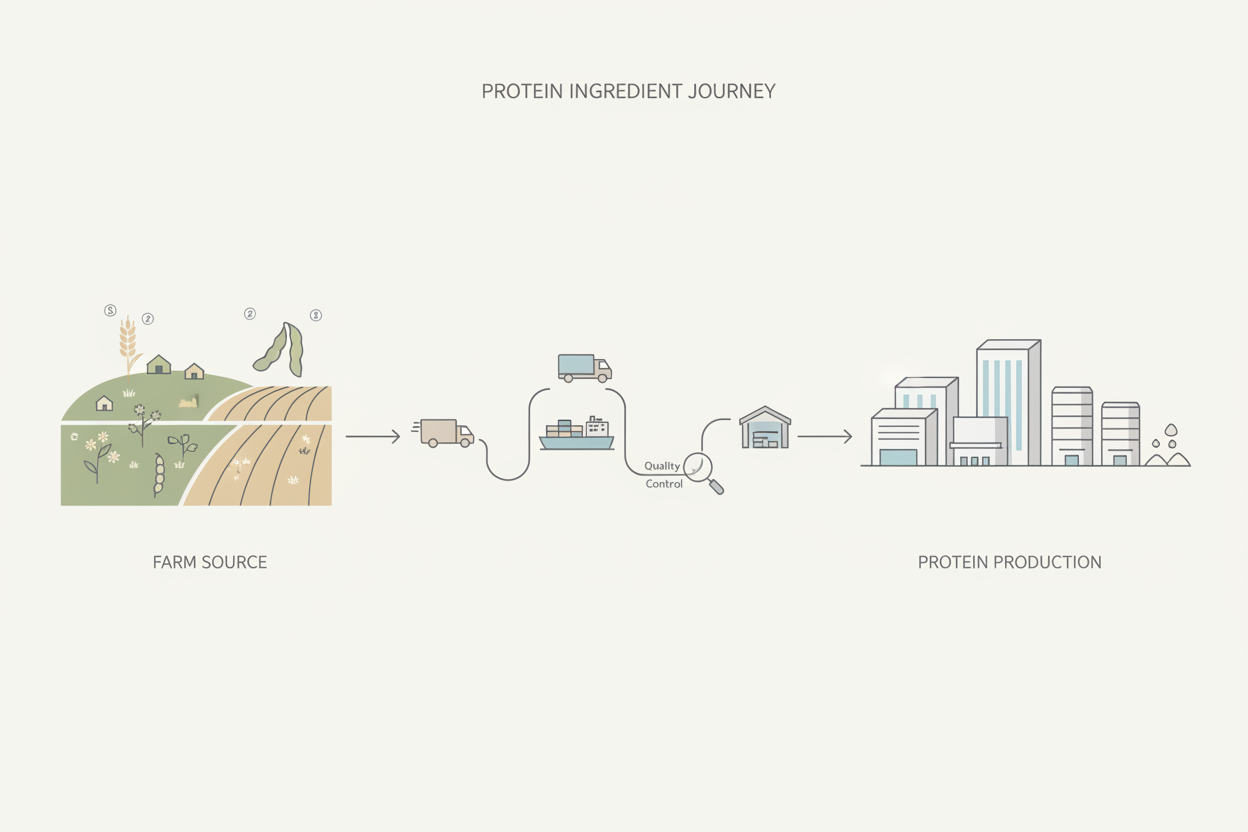
Ingredient sourcing is closely tied to how protein is processed. This article explains how protein ingredients are made from raw materials:
https://getearthfuel.com/blogs/learn/how-protein-powder-ingredients-are-made
This article explains ingredient sourcing transparency using clear, foundational language. The emphasis is on information flow and documentation, not evaluation or claims.
You can also explore how processing impacts ingredient structure and composition:
https://getearthfuel.com/blogs/learn/protein-powder-processing-methods-explained
What Ingredient Sourcing Transparency Means
Ingredient sourcing transparency describes how openly sourcing details are shared.
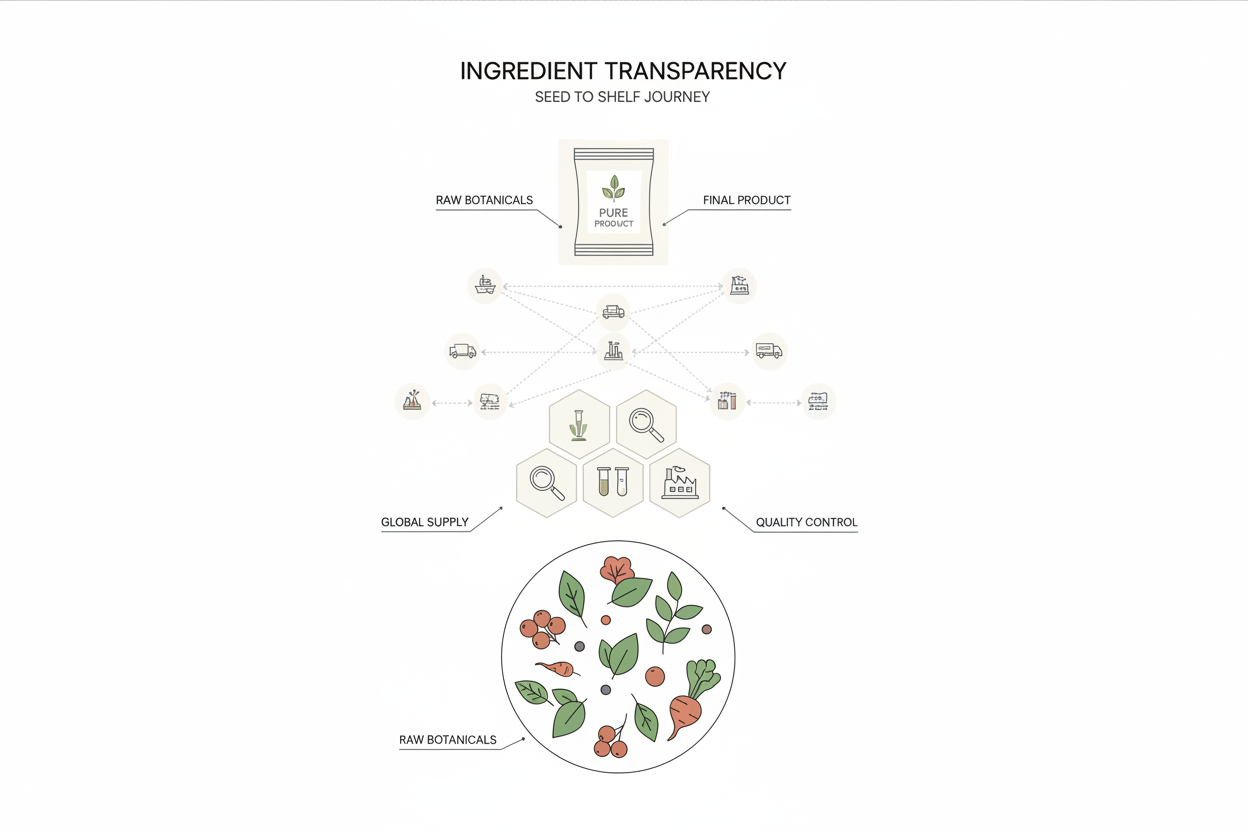
This can include where raw materials originate, how they move through the supply chain, and what documentation supports those claims. Transparency is about visibility and clarity, not judgment.
It helps explain what information is available rather than what conclusions should be drawn.
Transparency Begins With Traceability
Transparency relies on traceability.
Traceability refers to the ability to follow ingredients from their point of origin through processing and distribution. Records, batch identifiers, and supplier documentation support this visibility.
When traceability is present, sourcing information can be communicated accurately.
Documentation and Information Sharing
Transparent sourcing depends on documentation.
Suppliers and manufacturers maintain records that describe ingredient origin, handling, and movement through the supply chain. Transparency occurs when this information is made accessible in clear, understandable formats.
This process does not change the ingredient itself. It changes how information about the ingredient is shared.
Transparency Is Separate From Quality Claims
Transparency and quality are related but distinct concepts.
Transparency describes whether sourcing information is available. Quality describes characteristics of the ingredient. Transparent sourcing does not automatically imply higher or lower quality.
Keeping these concepts separate helps maintain clear, factual communication.
Why Transparency Is Discussed in Protein Ingredients
Protein ingredients often involve multi step supply chains.
Because ingredients may pass through several stages before becoming finished products, transparency helps explain how sourcing information is tracked and communicated across those stages.
This context supports understanding of ingredient origin without shifting into evaluation.
Transparency Supports Consistency and Accountability
When sourcing information is clearly documented, consistency becomes easier to maintain.
Transparency supports accountability by aligning sourcing claims with documented supply chain data. This helps ensure that information shared remains consistent over time.
These processes relate to communication rather than biological function.
How This Fits Into Protein Fundamentals
Protein Fundamentals explains how protein moves from source to use.
Ingredient sourcing transparency adds context to earlier discussions about sourcing and processing by focusing on how information about those steps is communicated. It supports understanding of the protein ingredient lifecycle without introducing claims.
The explanation remains grounded in structure and documentation.
Part of the Nutrition Foundations Series
This article is part of our Nutrition Foundations series, where we explain how different macronutrients are digested and used by the body.
👉 Visit the Nutrition Foundations hub to explore more articles in this series.
Related Articles in This Series
About Earth Fuel
Earth Fuel is built around one principle: simple protein. Nothing extra. We focus on clear formulation, ingredient transparency, and structural integrity across every stage of the protein lifecycle. Learn more about our approach and formulation philosophy on the
Earth Fuel homepage
Frequently Asked Questions
Q: Is ingredient sourcing transparency the same as ingredient quality
A: No. Transparency describes information availability, while quality describes ingredient characteristics.
Q: Does transparency change how protein works
A: No. Transparency affects communication, not biological function.
Q: Are transparent ingredients always better
A: Transparency does not imply evaluation. It describes visibility of information.
Q: What supports sourcing transparency
A: Documentation, traceability, and consistent information sharing.
Q: Is transparency required for all ingredients
A: Transparency practices vary by manufacturer and supply chain.
Q: Does this article recommend sourcing standards
A: No. It explains transparency concepts without recommendations.

Written by Earth Fuel