Why Pumpkin Seed Protein Is Used in Plant Protein Powders
Plant protein powders are formulated using a variety of plant derived protein ingredients. These ingredients contribute amino acids, structural characteristics, and formulation behavior that influence how a protein powder performs during preparation and digestion.
Pumpkin seed protein has become one of the plant based protein ingredients used in modern protein powder formulations. Interest in pumpkin seed protein often relates to plant based sourcing, ingredient simplicity, and the role of plant proteins within balanced formulations.
This article explains why pumpkin seed protein is used in plant protein powders using neutral, science based language. The focus remains on ingredient structure, formulation considerations, and plant protein characteristics rather than performance claims.
The Role of Protein Ingredients in Formulations
Protein powders are built around one or more protein ingredients that supply the protein content of the product.
Different protein ingredients contain different structural characteristics. These characteristics influence how the ingredient behaves during mixing, digestion, and formulation.
Protein ingredients may contribute to a formulation in several ways:
• providing amino acids
• influencing formulation structure
• affecting mixing behavior
• contributing to ingredient balance
The functional behavior of protein ingredients is explained in Protein Ingredient Function in Protein Powders, which describes how protein ingredients influence the structure of finished formulations.
Understanding the role of protein ingredients helps explain why different plant proteins are selected when designing plant based protein powders.
Pumpkin Seed Protein as a Plant Protein Ingredient
Pumpkin seed protein is produced by isolating the protein portion of pumpkin seeds through mechanical processing and refinement.
The process used to isolate plant proteins is explained in How Plant Proteins Are Extracted, which describes how plant materials are processed to concentrate protein.
Because pumpkin seed protein originates from seeds rather than legumes, it contains structural characteristics that differ from other plant protein ingredients.
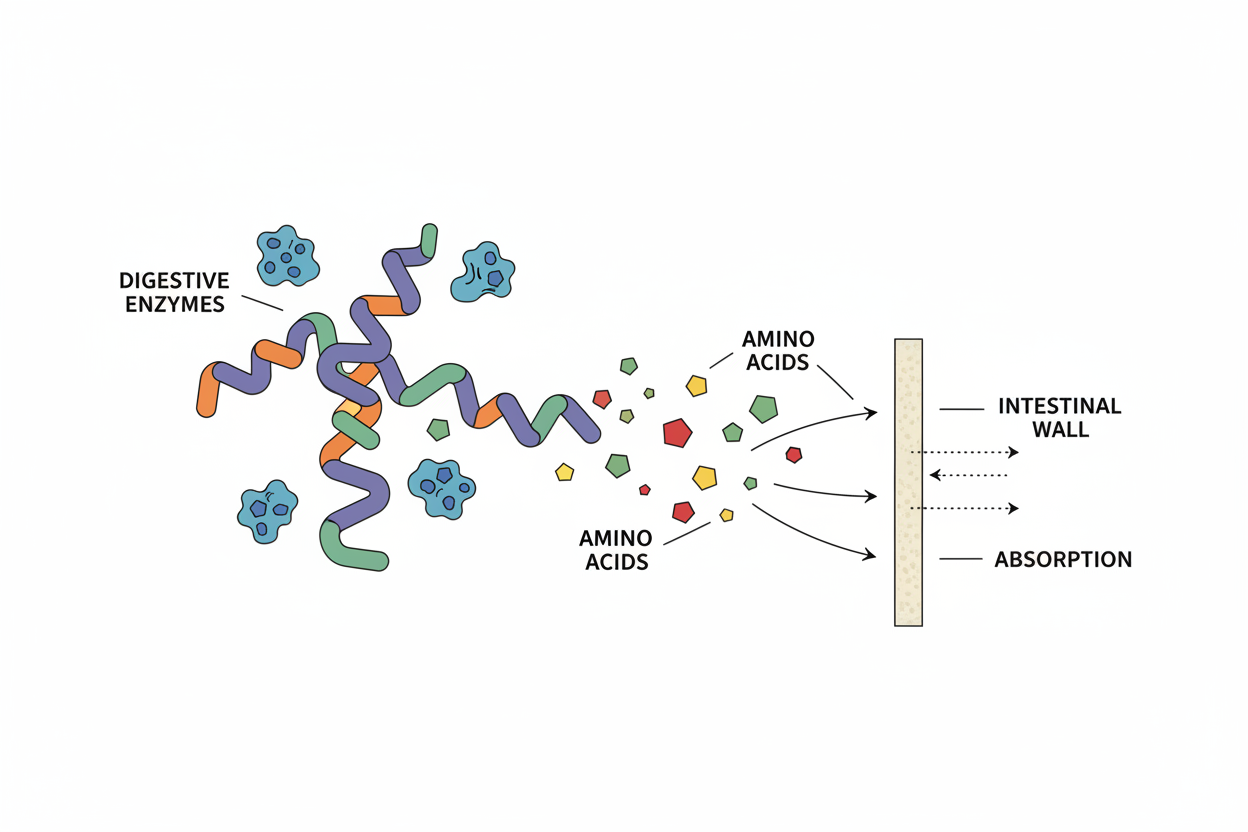
Like all proteins, pumpkin seed protein consists of amino acid chains that must be broken down during digestion.
The digestion process responsible for this breakdown is described in How the Body Breaks Down Protein After You Eat It, which explains how digestive enzymes separate protein structures into amino acids.
These structural characteristics influence how the ingredient behaves within protein powder formulations.
Ingredient Compatibility in Plant Protein Blends
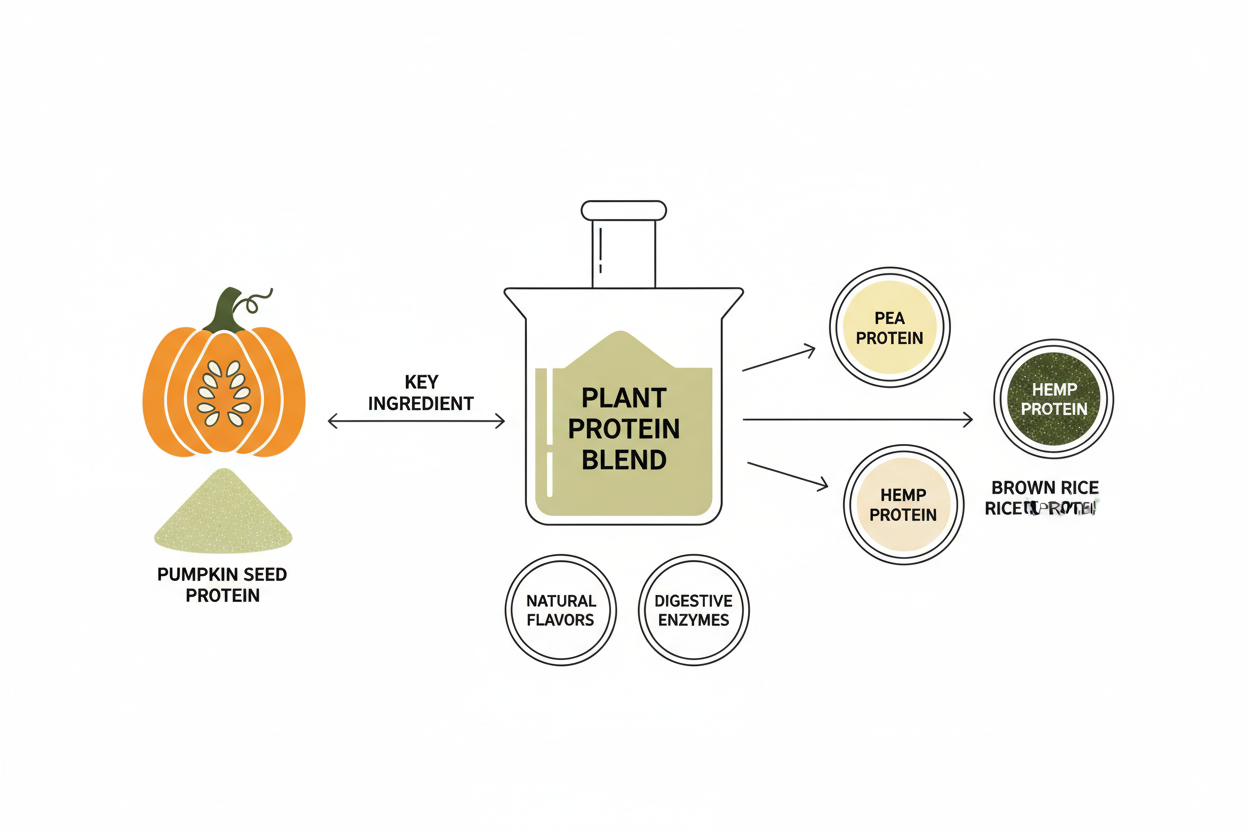
Many plant protein powders use more than one protein ingredient.
Combining plant proteins can influence formulation structure and ingredient balance. Different protein ingredients may interact with each other in ways that affect mixing behavior, texture, or nutritional composition.
The interaction between protein ingredients in formulations is explained in Protein Ingredient Compatibility Explained, which explores how protein ingredients behave when combined.
Protein ingredients may also differ in their particle size, density, and structural properties.
These factors influence how ingredients behave when blended into a finished protein powder.
Understanding ingredient compatibility helps explain why different plant proteins are selected in formulation design.
Structural Behavior During Preparation
Protein powders must disperse into liquids when prepared by the consumer.
The physical behavior of protein powders during preparation is influenced by particle size, ingredient structure, and formulation design.
These characteristics affect how easily the powder disperses in water or other liquids.
The preparation behavior of protein powders is discussed in How Protein Ingredients Affect Mixability, which explains how particle properties influence mixing performance.
Because different protein ingredients contain different particle structures, formulation choices influence how a protein powder behaves during preparation.
These structural considerations are part of the broader design process when developing plant based protein formulations.
Pumpkin Seed Protein in Plant Based Nutrition Products
Plant based nutrition products often emphasize ingredient transparency and plant derived protein sources.
Pumpkin seed protein contributes plant derived protein within these formulations and may be used as a primary or supporting protein ingredient depending on formulation goals.
Protein powders built around plant based ingredients often prioritize simple formulation systems and clearly identified protein sources.
Earth Fuel protein powder reflects this philosophy by focusing on plant based ingredients and simplified formulation practices designed to emphasize ingredient clarity and protein transparency.
Understanding the role of pumpkin seed protein within plant protein powders provides context for how plant protein formulations are designed.
Part of the Protein Ingredient Science Series
This article is part of the Earth Fuel Protein Ingredient Science series, where we examine how protein ingredients are sourced, processed, and used in modern protein powder formulations.
The series explores how ingredient structure, processing methods, and formulation design influence protein ingredient behavior.
Related Articles in This Series
How Plant Proteins Are Extracted
Protein Ingredient Function in Protein Powders
Protein Ingredient Compatibility Explained
How Protein Ingredients Affect Mixability
How the Body Breaks Down Protein After You Eat It
About Earth Fuel
Earth Fuel is built around one principle: simple protein. Nothing extra. We focus on clean ingredients, transparent sourcing, and clear formulation practices across every stage of the protein lifecycle. Learn more about the formulation and ingredients behind Earth Fuel plant protein powder.
Frequently Asked Questions
Why is pumpkin seed protein used in protein powders
Pumpkin seed protein provides plant based protein that can be used in plant protein powder formulations.
Is pumpkin seed protein a plant protein
Yes. Pumpkin seed protein is derived entirely from pumpkin seeds, which are plant based ingredients.
Do plant protein powders use multiple protein ingredients
Some plant protein powders combine multiple protein ingredients depending on formulation design.
Does pumpkin seed protein affect mixability
Protein ingredients have structural characteristics that influence how powders disperse in liquids.
Why are plant proteins used in nutrition products
Plant proteins provide protein derived from plant sources and are commonly used in plant based nutrition products.

Written by Earth Fuel