What Happens to Excess Protein in the Body
Protein is an essential part of daily nutrition, but many people wonder what happens if they consume more protein than their body needs at a given time. Questions about excess protein often come with concern or confusion, especially when protein intake increases intentionally.
Understanding how the body handles excess protein helps clarify why balance, digestion, and consistency matter more than worrying about exact numbers.
This article explains what happens to protein the body does not immediately use and how it fits into normal metabolism.
How the Body Uses Protein First
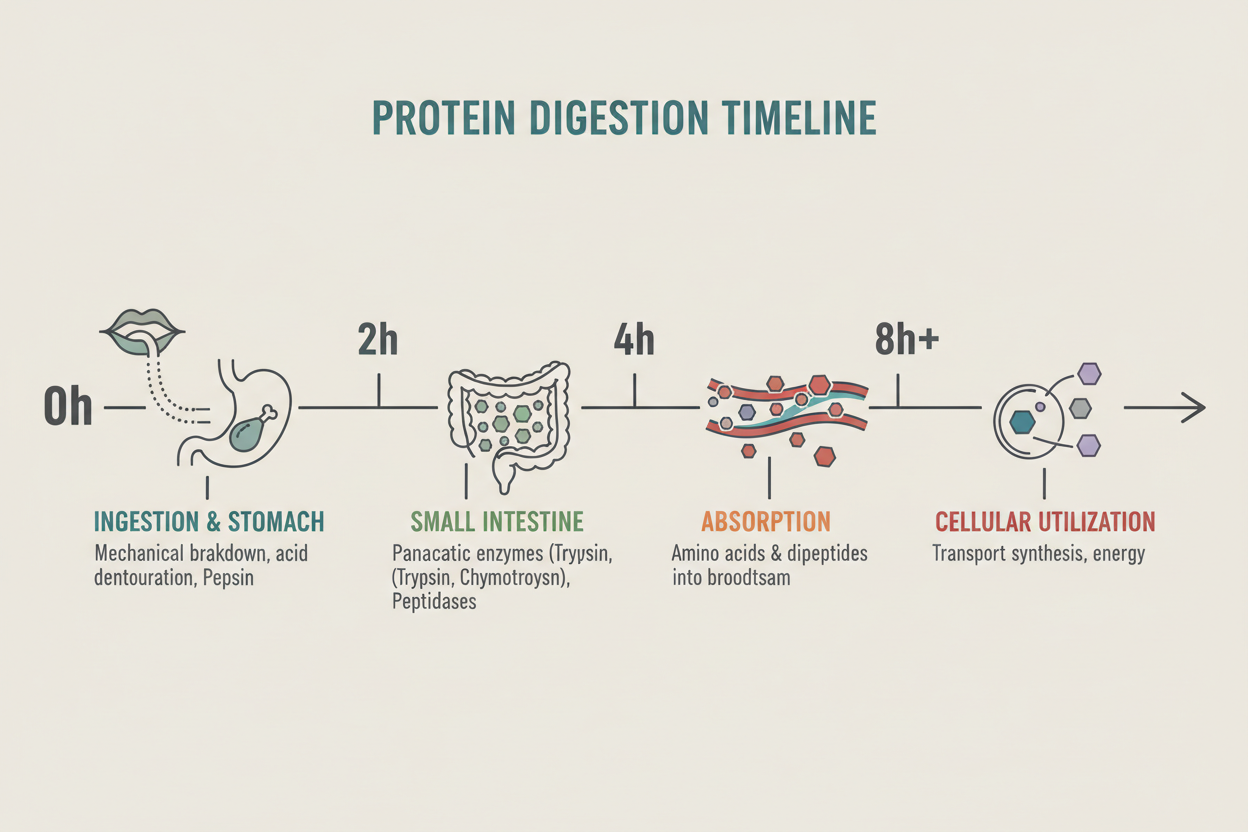
When protein is consumed and digested, amino acids enter the bloodstream and contribute to the circulating amino acid pool.
The body prioritizes using these amino acids for:
-
Routine tissue maintenance
-
Replacement of proteins that naturally break down
-
Enzyme and hormone production
-
Ongoing metabolic processes
These needs are continuous, which is why protein is regularly required.
Protein Is Not Stored Like Fat or Carbohydrates
Unlike carbohydrates or fats, the body does not store large reserves of protein for later use.
There is no dedicated protein storage system. Instead:
-
Amino acids are used as needed
-
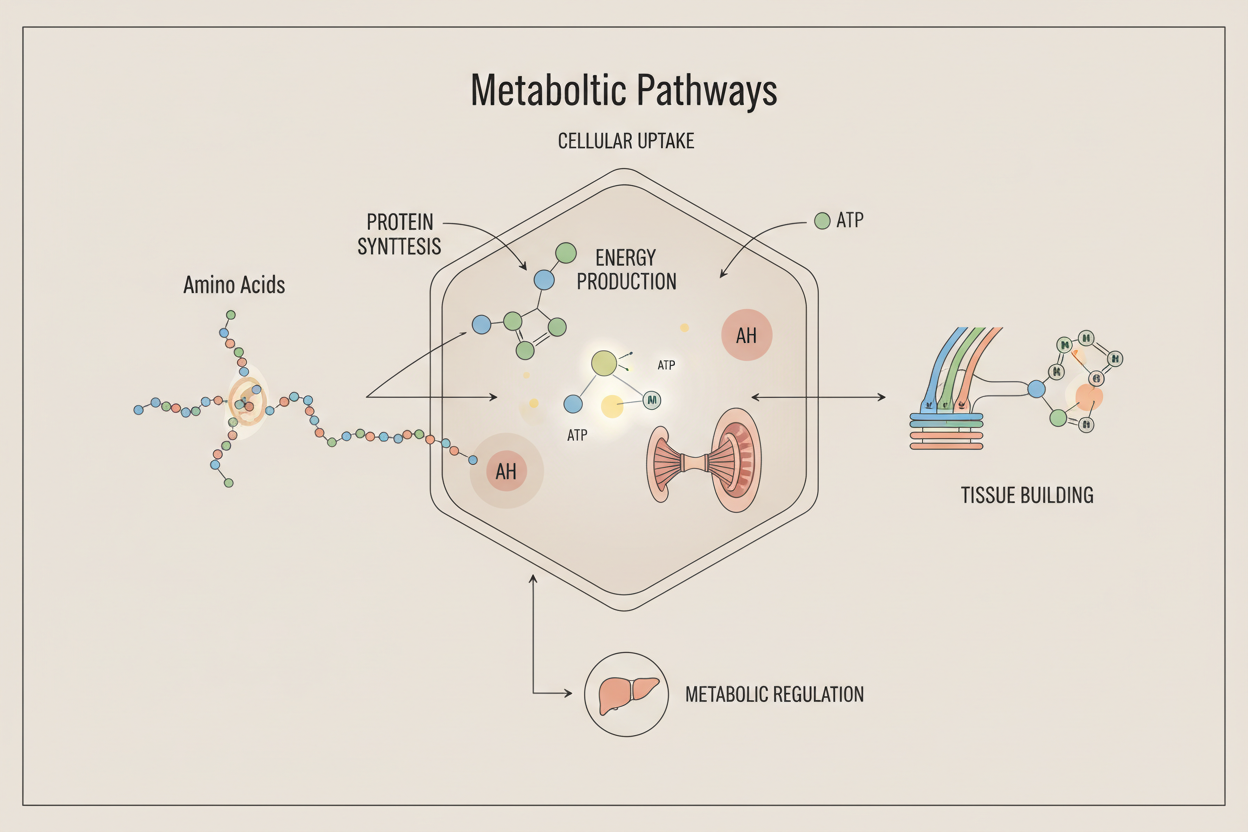
Excess amino acids are processed through metabolism
This is why regular intake matters more than occasional large amounts.
What Happens When Protein Intake Exceeds Immediate Needs
When amino acids are present beyond what the body immediately requires, they are not wasted in a harmful way.
Instead:
-
The nitrogen portion is removed
-
The remaining components may be used for energy or other metabolic processes
This is part of normal protein metabolism and occurs continuously.
Excess Protein and Normal Metabolism
Processing excess amino acids is a normal metabolic function.
This process allows the body to:
-
Maintain balance
-
Use nutrients efficiently
-
Adapt intake to daily needs
For most people, this system functions smoothly as part of normal physiology.
Why More Protein Does Not Automatically Mean More Benefit
Consuming more protein than the body can comfortably digest and use does not guarantee additional benefit.
Very high intake may:
-
Feel uncomfortable for some individuals
-
Reduce consistency of use
-
Offer diminishing returns
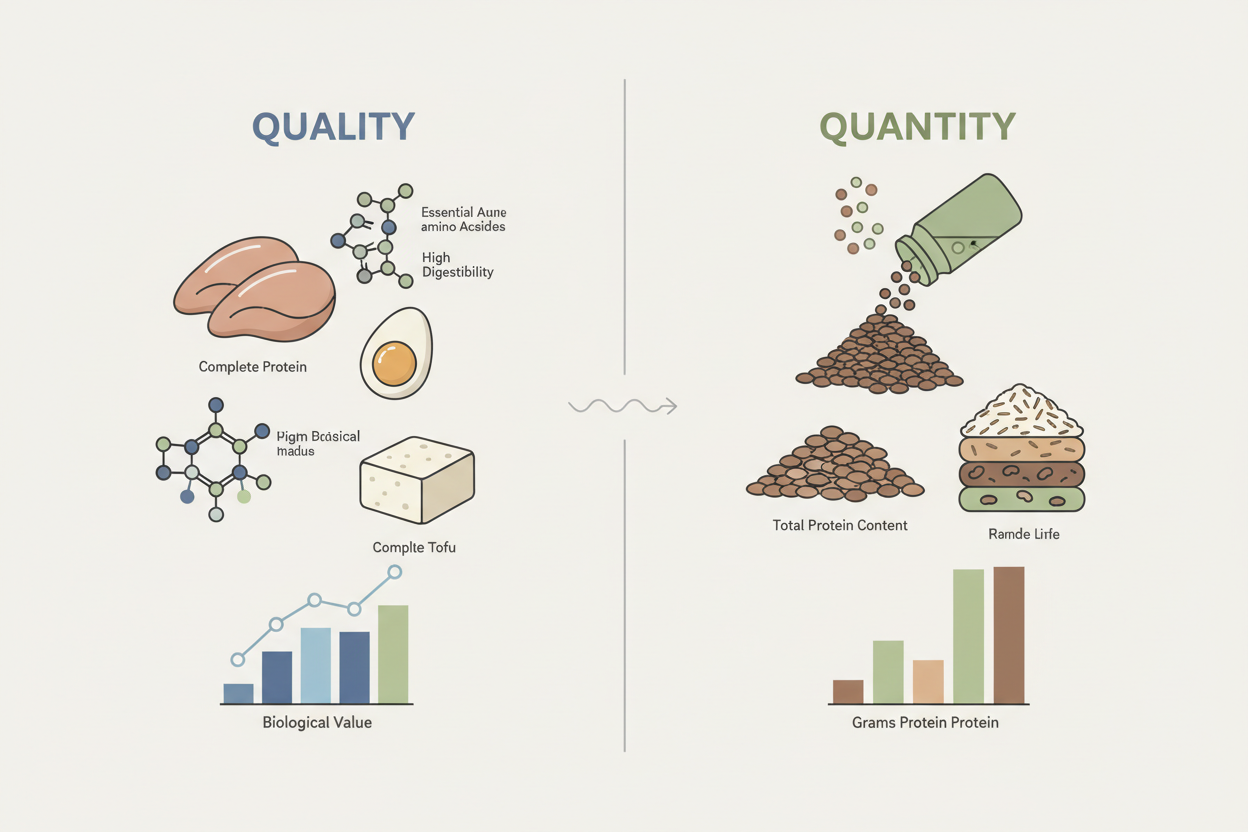
This reinforces why protein quality, digestion, and routine matter more than excess.
Individual Tolerance and Protein Intake
Protein tolerance varies between individuals.
Factors that influence tolerance include:
-
Digestive comfort
-
Protein source
-
Processing and formulation
-
Overall diet composition
Understanding personal tolerance helps guide protein intake without unnecessary concern.
Excess Protein Over Time
Protein intake is best viewed over time rather than in isolated meals.
The body adapts to:
-
Regular intake patterns
-
Consistent digestion
-
Balanced nutrition
This long-term view reduces anxiety around occasional higher intake.
Protein Intake as Part of a Balanced Diet
Protein works best when consumed as part of a balanced diet that includes carbohydrates, fats, vitamins, and minerals.
No single nutrient operates independently. Balance supports efficient metabolism and consistent use.
Reframing the Question About Excess Protein
Rather than asking whether protein is “too much,” it is often more useful to ask:
-
Does this amount digest comfortably
-
Does it fit daily routines
-
Is it sustainable over time
These questions better reflect how protein supports normal nutrition.
Part of the Nutrition Foundations Series
This article is part of our Nutrition Foundations series, where we explain how protein intake, digestion, and metabolism support normal body function.
👉 Visit the Nutrition Foundations hub to explore more articles in this series.
Related Articles in This Series
You may also find these helpful:
About Earth Fuel
Earth Fuel is built around one principle: simple protein. Nothing extra. We focus on clear formulation, ingredient transparency, and structural integrity across every stage of the protein lifecycle. Learn more about our approach and formulation philosophy on the
Earth Fuel homepage
FAQ
What happens if you eat more protein than needed
Excess amino acids are processed through normal metabolism rather than stored.
Is excess protein harmful
For most people, the body handles excess protein as part of normal physiology.
Does the body store protein
The body does not store large amounts of protein like fat or carbohydrates.
Can excess protein be used for energy
Components of excess amino acids may be used in energy metabolism.
Should protein intake be precise every day
No. Consistency and comfort over time matter more than exact daily amounts.
Does protein tolerance vary by person
Yes. Digestive comfort and tolerance differ between individuals.

Written by Earth Fuel