Why Protein Quality Matters More Than Quantity
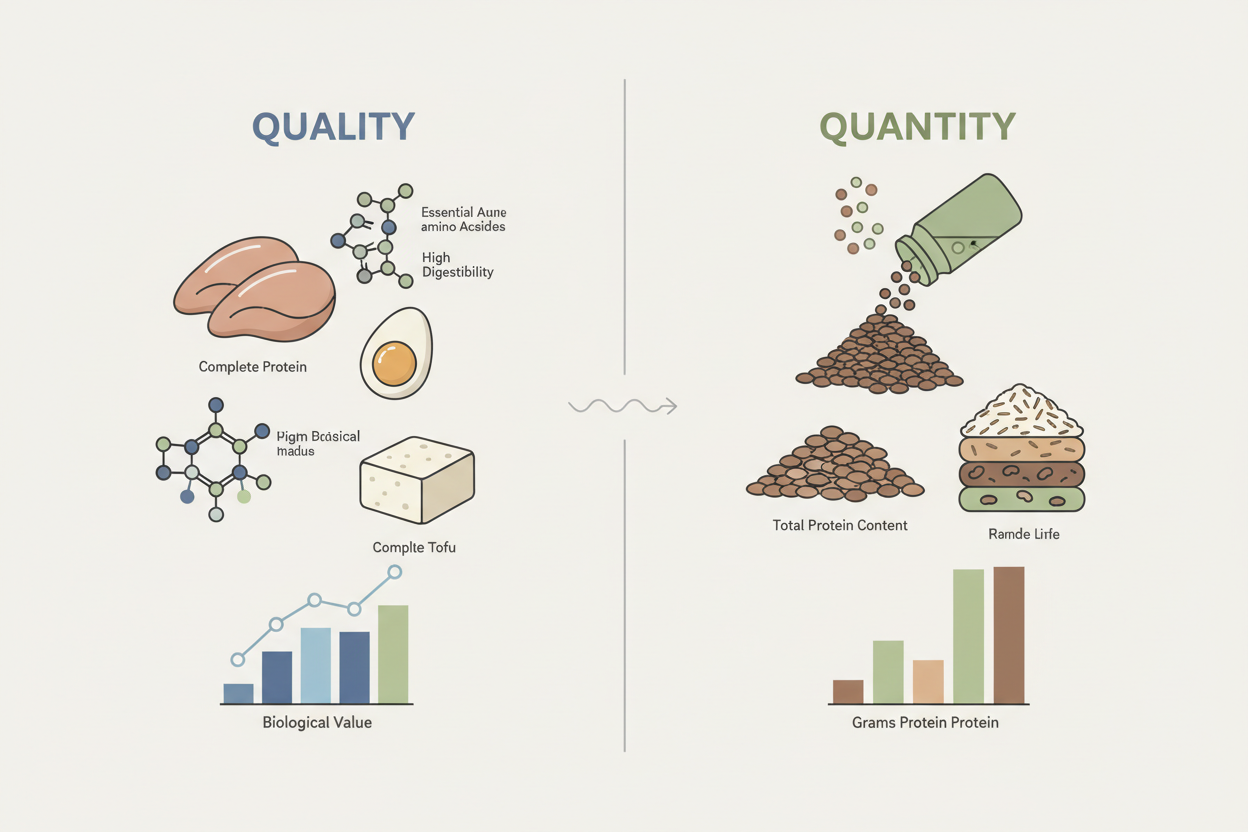
Protein intake is often reduced to a simple number: grams per serving or grams per day. While quantity matters, it does not tell the full story of how protein supports normal body function.
Protein quality plays a central role in how protein is digested, absorbed, and used over time. Two people can consume the same amount of protein and have very different experiences depending on quality and digestion.
This article explains why protein quality matters more than quantity alone and what factors influence how protein actually functions in daily nutrition.
What Protein Quantity Measures
Protein quantity refers to the amount of protein consumed, usually expressed in grams.
This number tells you:
-
How much protein is present
-
How much protein is being consumed
What it does not tell you is:
-
How well that protein is digested
-
How much is absorbed
-
How comfortably it fits into daily use
Quantity is one piece of the picture, not the whole picture.
What Protein Quality Refers To
Protein quality reflects how effectively protein supports normal body processes after it is consumed.
Quality is influenced by:
-
Amino acid balance
-
Digestibility
-
Absorption behavior
-
Ingredient structure and processing
High quality protein supports consistent use and comfortable digestion over time.
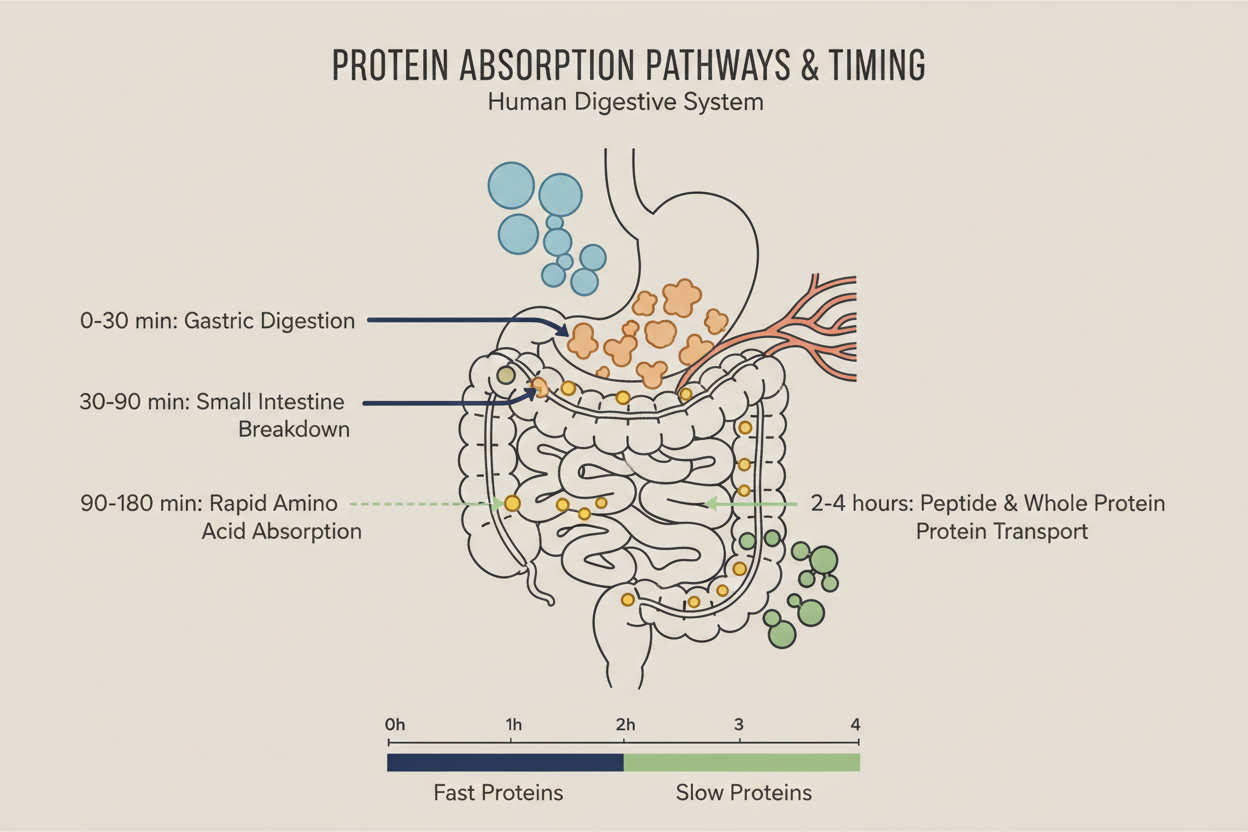
Digestion and Absorption Define Usefulness
Protein must be digested and absorbed before it can be used.
If digestion is inefficient:
-
Amino acids may be released unevenly
-
Protein may feel heavy or uncomfortable
-
Increasing quantity may not improve experience
Quality protein supports digestion first, which allows absorption to occur more smoothly.
Amino Acid Balance Matters
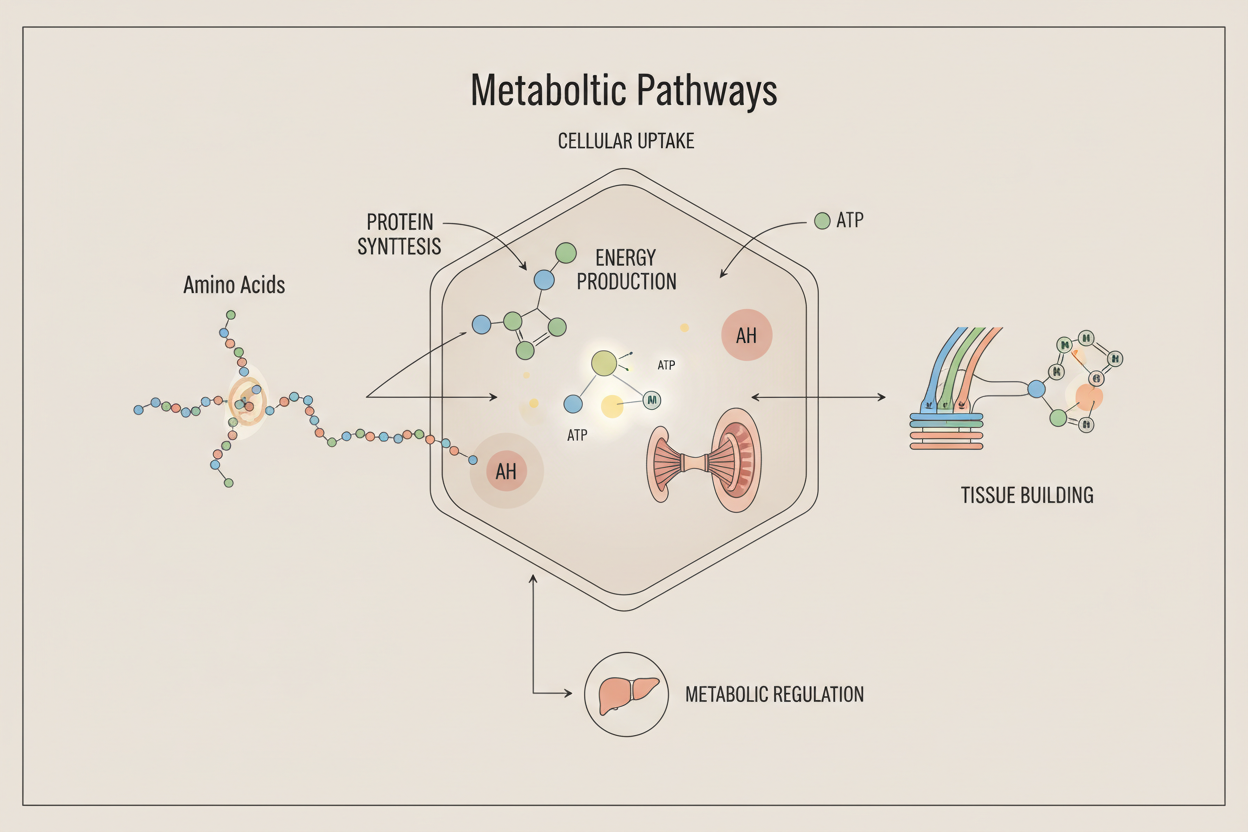
Protein quality is closely tied to amino acid availability.
Balanced amino acid profiles support:
-
Normal protein turnover
-
Ongoing tissue maintenance
-
Steady amino acid availability
Protein quantity without balance may not support these processes as effectively.
Why More Protein Does Not Always Help
Increasing protein intake does not automatically improve outcomes.
If quality or digestion is limiting:
-
Larger servings may feel uncomfortable
-
Utilization may not increase proportionally
-
Consistency may suffer
This is why many people find better results by focusing on quality rather than increasing quantity alone.
Protein Quality and Daily Consistency
Protein supports normal body function most effectively when it is used consistently.
Protein that:
-
Digests comfortably
-
Absorbs steadily
-
Fits daily routines
is more likely to be consumed regularly than protein that feels heavy or difficult to tolerate.
Consistency amplifies quality over time.
Processing Influences Protein Quality
How protein is processed influences its structure and behavior during digestion.
Gentle processing can:
-
Preserve protein integrity
-
Support enzyme access
-
Promote steady digestion
Over-processing may alter structure in ways that affect comfort and absorption.
Quality Is Experienced, Not Just Measured
Protein quality often shows up as experience.
People may notice:
-
How they feel after consuming protein
-
How easily protein fits into meals
-
Whether protein feels sustainable long term
These experiential signals are just as important as numbers on a label.
Evaluating Protein Beyond Numbers
A more complete way to evaluate protein includes:
-
How it digests
-
How it absorbs
-
How it feels over time
-
How consistently it can be used
This perspective reduces frustration and supports informed choices.
Part of the Nutrition Foundations Series
This article is part of our Nutrition Foundations series, where we explain how protein quality, digestion, and absorption influence how protein supports normal body function.
👉 Visit the Nutrition Foundations hub to explore more articles in this series.
Related Articles in This Series
You may also find these helpful:
About Earth Fuel
Earth Fuel is built around one principle: simple protein. Nothing extra. We focus on clear formulation, ingredient transparency, and structural integrity across every stage of the protein lifecycle. Learn more about our approach and formulation philosophy on the
Earth Fuel homepage
FAQ
What does protein quality mean
Protein quality refers to how effectively protein is digested, absorbed, and used by the body.
Is protein quantity still important
Yes. Quantity matters, but it works best when paired with quality.
Can low quality protein be improved by eating more
Not always. Digestion and absorption may limit usefulness.
Does protein quality affect digestion
Yes. Quality influences how protein behaves during digestion.
Why do some proteins feel heavier than others
Differences in structure, processing, and formulation influence experience.
Is consistency more important than large servings
For many people, consistent use of quality protein supports better long term habits.