What Amino Acids Are and Why They Matter
Amino acids are the basic building units of protein. When protein is discussed in nutrition, it is ultimately amino acids that the body uses and manages. Understanding what amino acids are provides clarity on how protein functions at a foundational level.
Amino acids are central to protein function, but understanding how they are absorbed is equally important. This guide explains that process:
https://getearthfuel.com/blogs/learn/how-amino-acids-are-absorbed
This article explains amino acids in simple, descriptive terms, focusing on their role in normal human biology rather than outcomes, performance, or claims.
You can also see how amino acids move through the body after absorption:
https://getearthfuel.com/blogs/learn/amino-acids-and-nutrient-transport
What Amino Acids Are
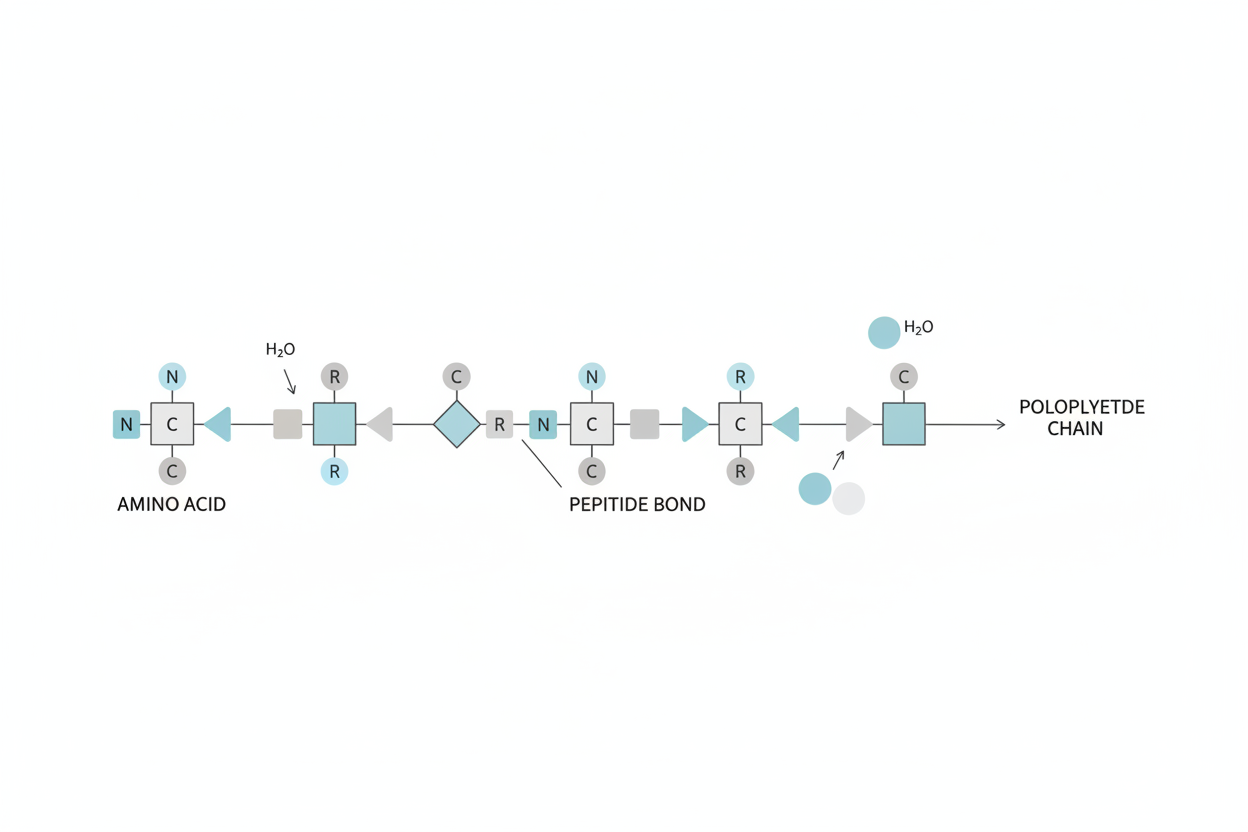
Amino acids are small organic compounds that combine in specific sequences to form proteins.
Each protein in the body is made from a unique arrangement of amino acids. The order and combination of these amino acids determine the structure and role of the protein once it is built.
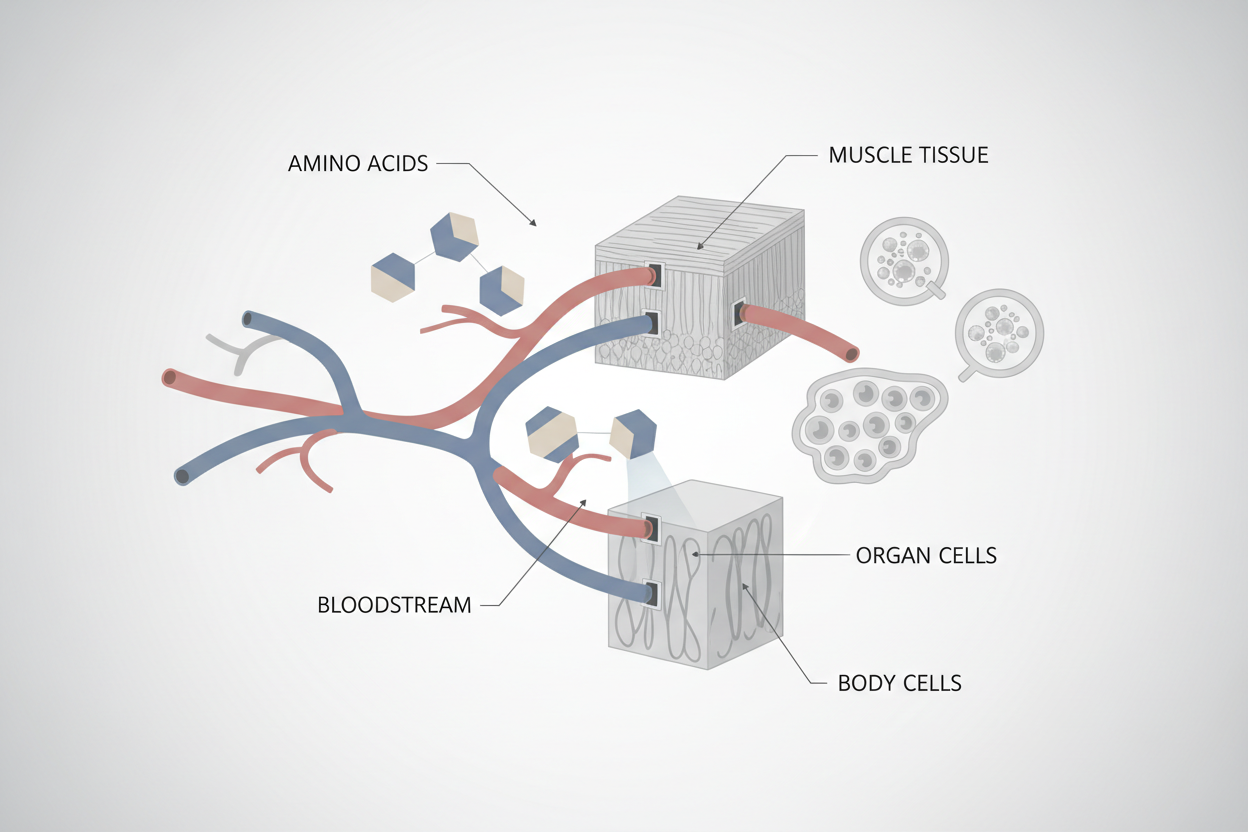
When dietary protein is digested, it is broken down into individual amino acids and small peptide fragments. These components are what the body absorbs and uses.
Amino Acids as Protein Building Blocks
Inside the body, amino acids serve as raw materials.
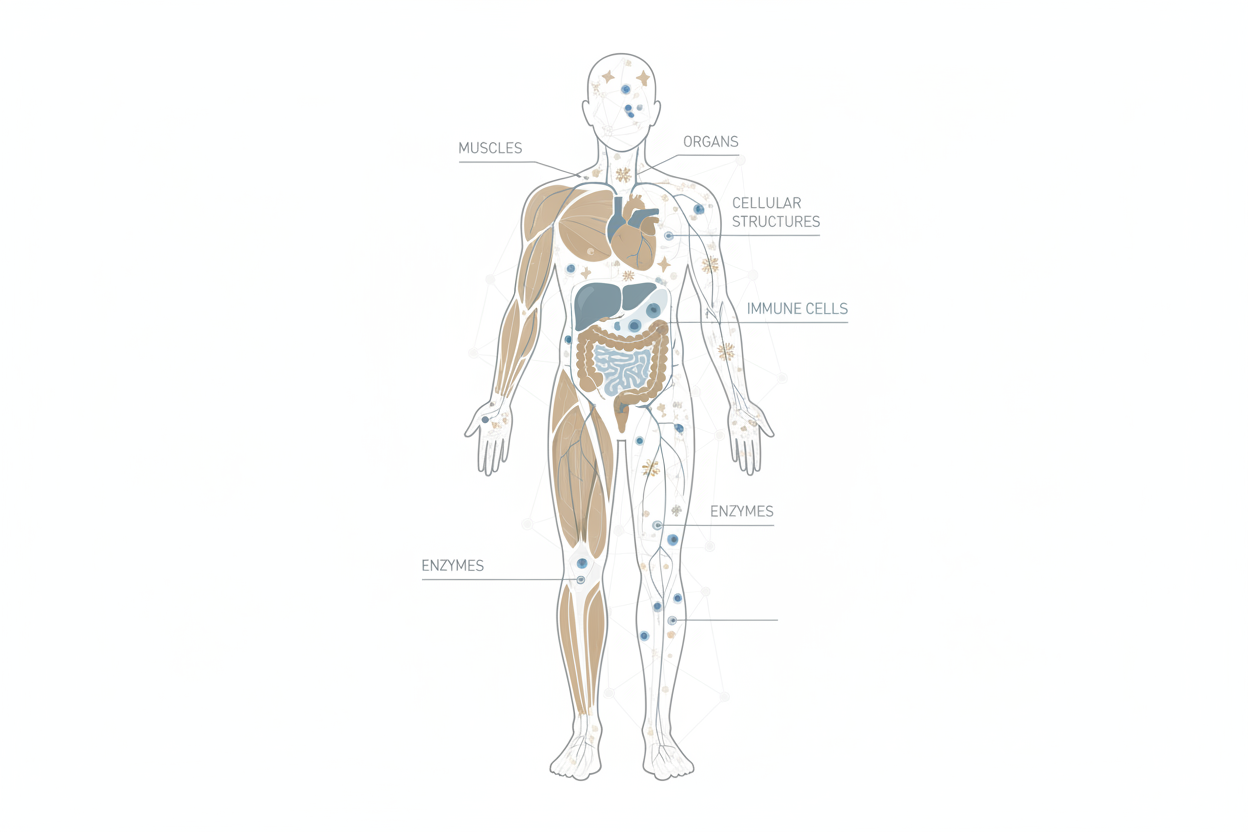
Cells assemble amino acids into proteins based on genetic instructions. These proteins become part of cellular structure, enzymes, transport systems, and other functional components.
Without amino acids, the body cannot create or maintain the proteins required for normal cellular organization and activity.
Essential and Non Essential Amino Acids
Amino acids are often grouped into two broad categories: essential and non essential.
Essential amino acids are those that must come from dietary sources because the body does not produce them in sufficient amounts.
Non essential amino acids can be made by the body through normal metabolic processes.
Both categories are used in the same way once they are inside cells. The distinction relates to sourcing, not function.
Amino Acids in Daily Biological Processes
Amino acids are used continuously.
They contribute to the ongoing maintenance of proteins throughout the body. As proteins are replaced or rebuilt, amino acids are incorporated into new structures.
This continuous use is part of normal physiology and occurs regardless of dietary pattern.
Why Amino Acids Are Central to Protein Fundamentals
Understanding amino acids helps explain why protein quality, digestion, and absorption are discussed in nutrition education.
Protein is not used as whole molecules. It must be broken down into amino acids before the body can use it. From there, amino acids move through metabolism and into cells to support normal biological structure.
This makes amino acids a core concept within the Protein Fundamentals pillar.
Part of the Nutrition Foundations Series
This article is part of our Nutrition Foundations series, where we explain how different macronutrients are digested and used by the body.
👉 Visit the Nutrition Foundations hub to explore more articles in this series.
Related Articles in This Series
About Earth Fuel
Earth Fuel is built around one principle: simple protein. Nothing extra. We focus on clear formulation, ingredient transparency, and structural integrity across every stage of the protein lifecycle. Learn more about our approach and formulation philosophy on the
Earth Fuel homepage
Frequently Asked Questions
Q: Are amino acids the same as protein
A: No. Amino acids are the building blocks that combine to form proteins.
Q: Does the body use whole protein molecules
A: No. Protein is broken down into amino acids before it is used.
Q: Are all amino acids used the same way
A: Once inside cells, amino acids are incorporated into proteins based on cellular needs.
Q: Do amino acids only come from protein powders
A: No. Amino acids come from all dietary protein sources.
Q: Are essential amino acids more important than non essential ones
A: Both are important. The distinction refers to whether the body can produce them, not how they function.
Q: Is this article giving intake recommendations
A: No. It explains what amino acids are and how they fit into normal biology.

Written by Earth Fuel