Protein Needs Explained Without Numbers
Protein needs are often discussed using specific gram targets or formulas. While those approaches can be useful in certain contexts, they are not required to understand how protein fits into everyday nutrition.
This article explains protein needs conceptually, without numbers, targets, or prescriptions. The goal is to describe how the body generally uses protein as part of normal biological function, not to define how much any individual should consume.
Protein Needs Reflect Ongoing Biological Use
The body uses protein continuously.
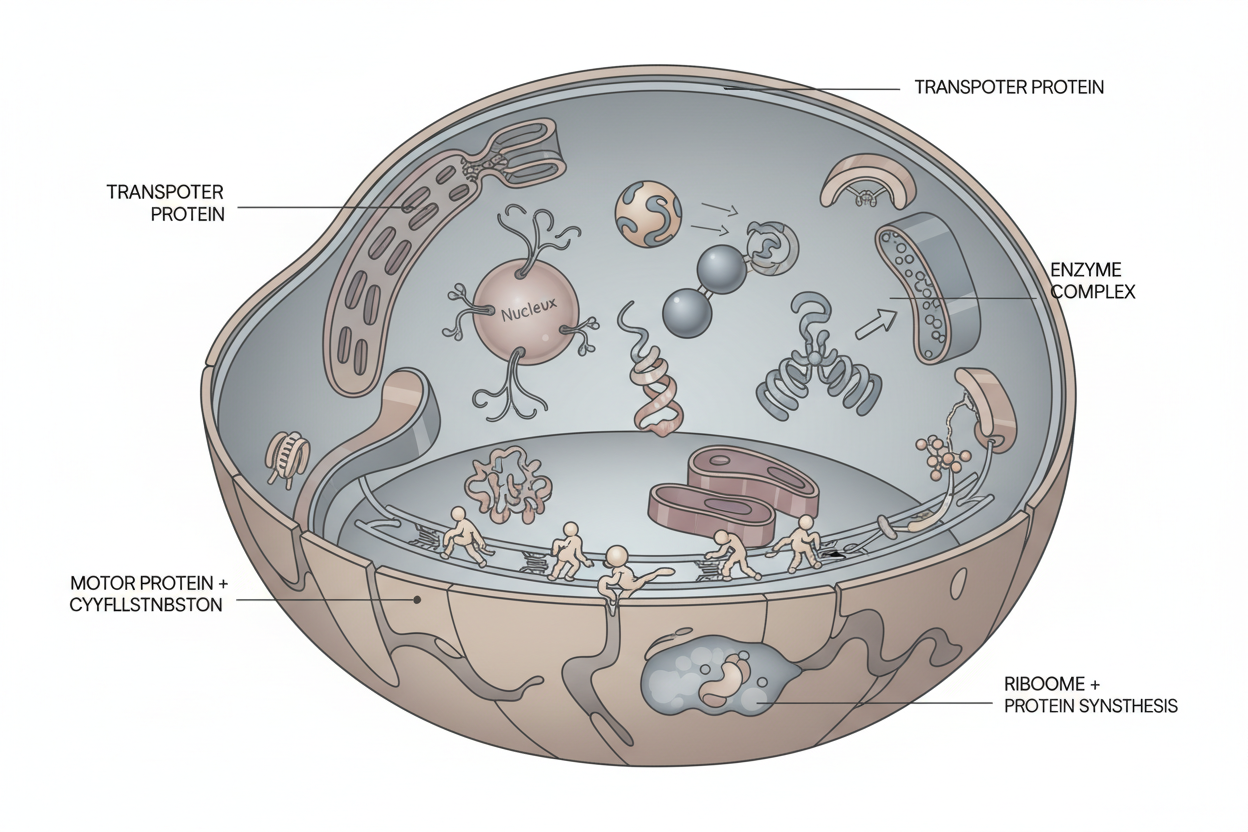
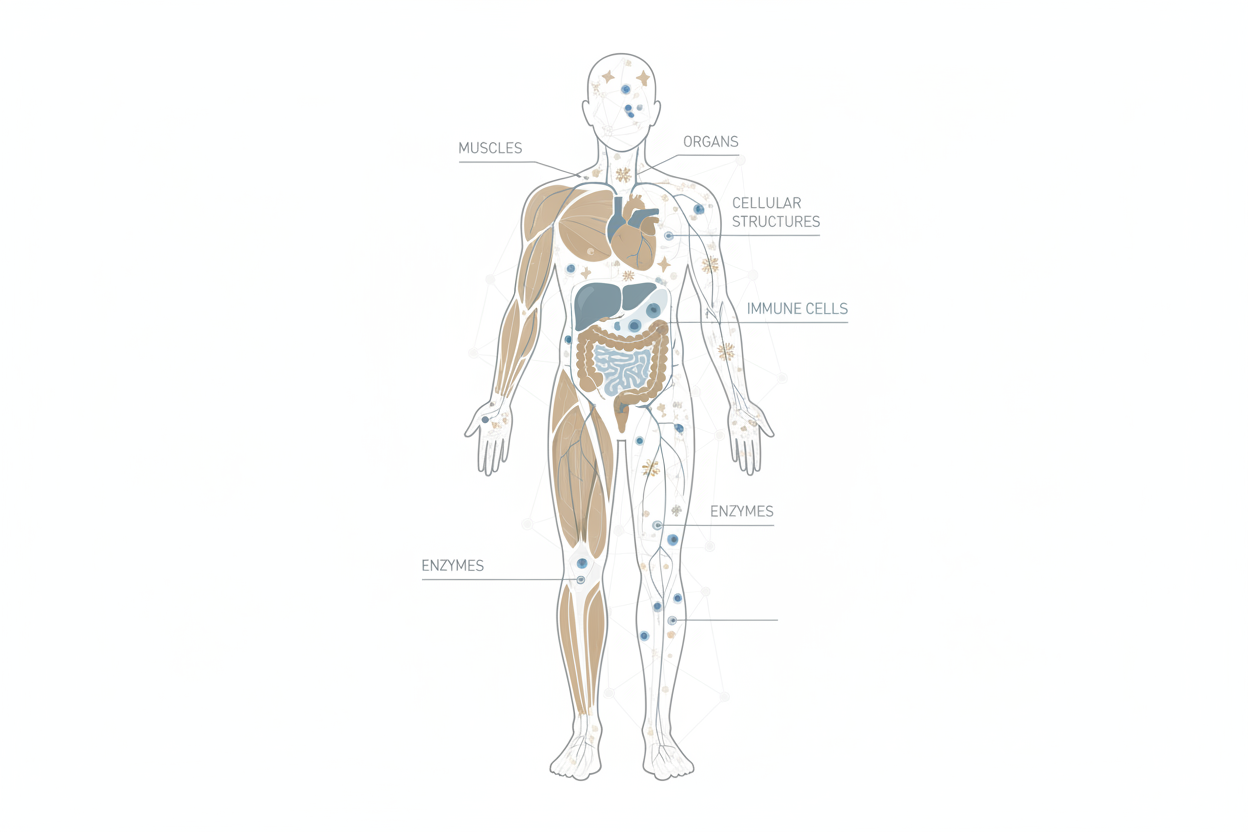
Proteins are involved in structural maintenance, cellular processes, and routine biological turnover. Because these processes occur every day, the body relies on a steady supply of amino acids to support them.
Protein needs, at a foundational level, reflect this ongoing use rather than a single event or outcome.
Protein Is Not Stored Like Other Nutrients
Unlike carbohydrates and fats, protein is not stored in a dedicated reserve for later use.
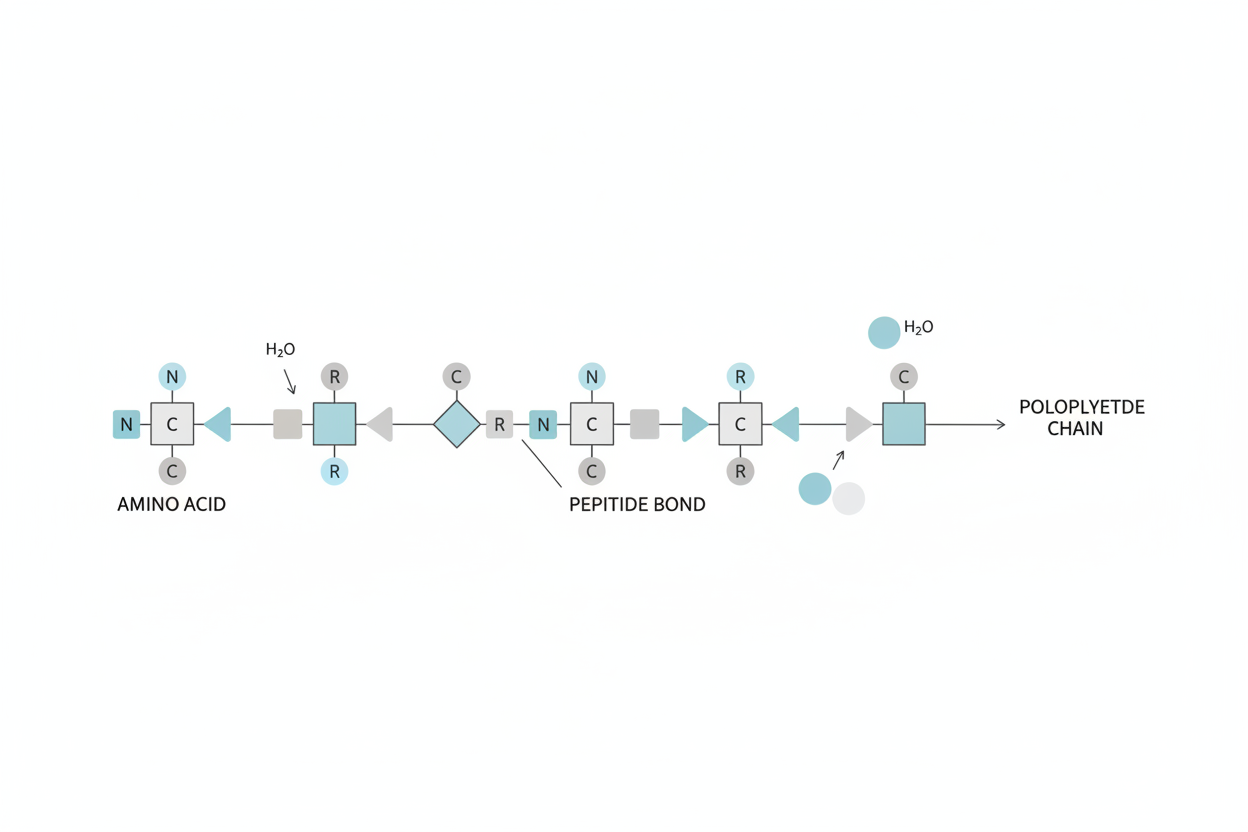
Amino acids circulate in a shared pool and are drawn upon as needed for normal cellular activity. When amino acids are available, they can be incorporated into proteins. When they are not, the body continues operating using existing systems.
This lack of storage is one reason protein is discussed as a regular dietary component.
Needs Vary by Normal Conditions
Protein needs are not static, but they also do not require constant calculation.
Different tissues use protein at different rates, and normal biological conditions influence how amino acids are allocated. These variations are handled internally through metabolic regulation rather than conscious control.
From an educational perspective, this explains why protein needs are described broadly rather than as a fixed number.
Protein Needs Are About Availability, Not Excess
At a foundational level, protein needs are about having amino acids available when the body requires them.
Excess protein does not create storage in the way excess energy does. Instead, protein that is not immediately incorporated into body proteins is managed through normal metabolic pathways.
Understanding this helps frame protein as a functional nutrient rather than a quantity driven one.
How This Fits Into Protein Fundamentals
Explaining protein needs without numbers helps connect earlier topics such as digestion, metabolism, and cellular use.
Protein needs are not separate from these processes. They emerge from them. As amino acids move from digestion into circulation and into cells, they support the body’s ongoing structural and functional requirements.
This systems view is central to the Protein Fundamentals pillar.
Part of the Nutrition Foundations Series
This article is part of our Nutrition Foundations series, where we explain how different macronutrients are digested and used by the body.
👉 Visit the Nutrition Foundations hub to explore more articles in this series.
Related Articles in This Series
About Earth Fuel
Earth Fuel is built around one principle: simple protein. Nothing extra. We focus on clear formulation, ingredient transparency, and structural integrity across every stage of the protein lifecycle. Learn more about our approach and formulation philosophy on the
Earth Fuel homepage
Frequently Asked Questions
Q: Are protein needs the same for everyone
A: No. Protein needs vary naturally based on normal biological factors, but this article focuses on general concepts rather than individual requirements.
Q: Why are protein needs often discussed daily
A: Because protein is not stored in a dedicated reserve, it is discussed as part of regular dietary patterns.
Q: Does eating more protein automatically meet protein needs
A: Protein needs relate to normal use and availability, not excess intake.
Q: Are protein needs tied to specific outcomes
A: No. Protein needs describe how the body supports routine biological function.
Q: Can protein needs be understood without numbers
A: Yes. Understanding how protein is used provides meaningful context without calculations.
Q: Is this the same as protein recommendations
A: No. This article explains concepts, not guidelines or targets.

Written by Earth Fuel