Protein Digestion vs Fat Digestion (Key Differences Explained)
Protein and fat are both essential macronutrients, but the body digests and processes them in different ways. These differences help explain why meals feel different depending on their composition and why digestion timing varies.
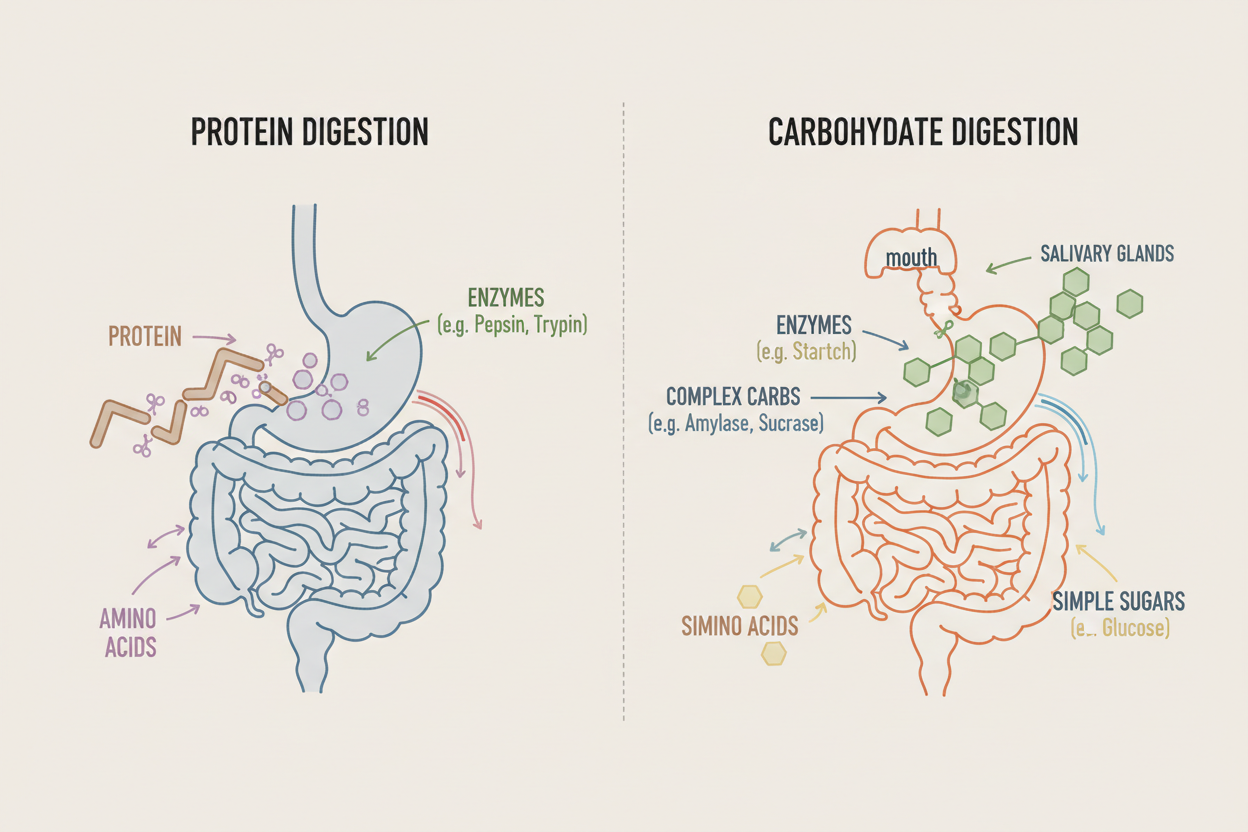
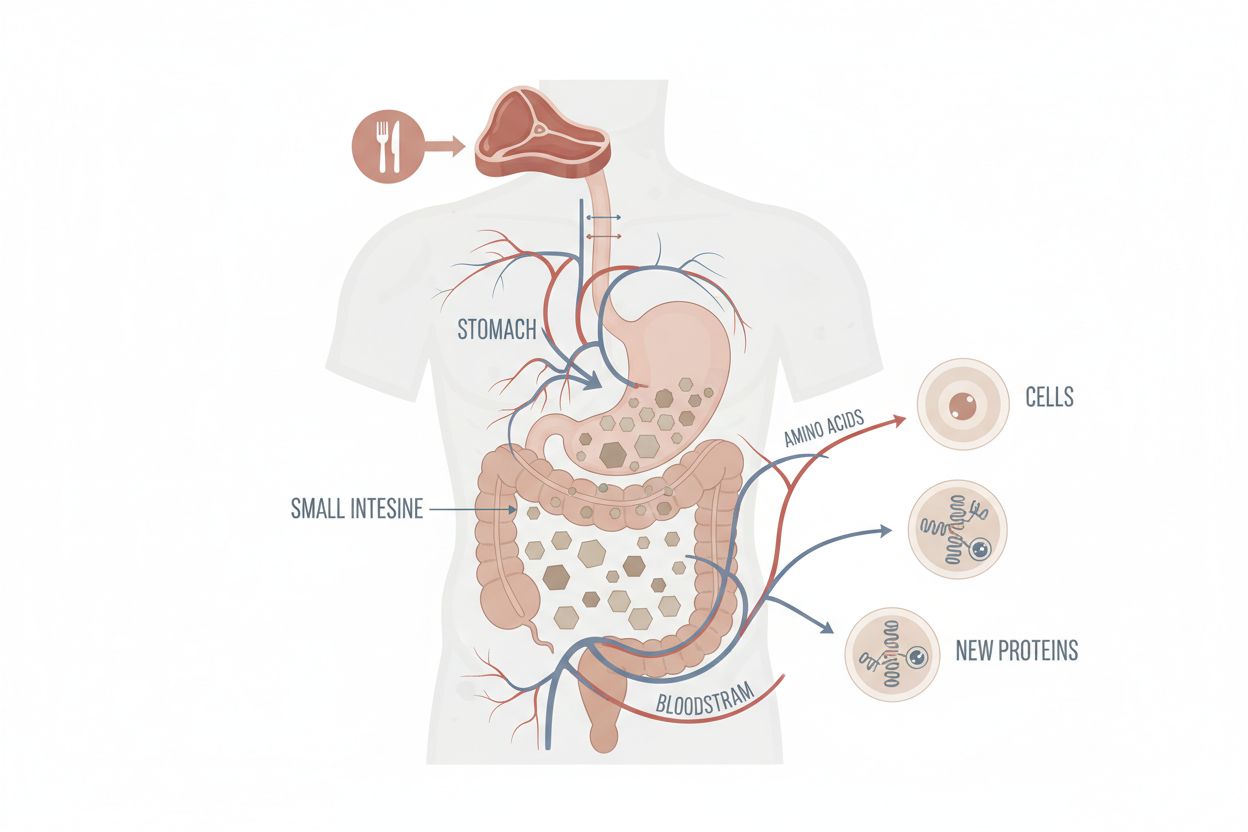
Protein digestion follows a unique pathway compared to fats, starting with breakdown into amino acids. This guide explains that process in detail:
https://getearthfuel.com/blogs/learn/how-the-body-breaks-down-protein-after-you-eat-it
Understanding how protein digestion compares to fat digestion provides clarity around digestion speed, comfort, and how each nutrient supports daily nutrition.
This article explains the key differences between protein digestion and fat digestion and how both fit into a balanced diet.
To understand what happens next, this article covers how amino acids are used after digestion:
https://getearthfuel.com/blogs/learn/how-the-body-breaks-down-protein-after-you-eat-it
What Protein and Fat Have in Common
Both protein and fat:
-
Must be digested before use
-
Are broken down into smaller components
-
Are absorbed primarily in the small intestine
-
Support normal metabolic processes
Despite these similarities, the pathways and timing of digestion differ.
How Protein Is Digested
Protein digestion:
-
Begins primarily in the stomach
-
Requires acid and enzymes to unfold and break protein structures
-
Continues in the small intestine
-
Releases amino acids gradually over time
This step-by-step process supports steady amino acid availability throughout the day.
How Fat Is Digested
Fat digestion follows a different sequence.
Fat digestion:
-
Begins minimally in the stomach
-
Occurs primarily in the small intestine
-
Requires bile to help break fat into smaller droplets
-
Relies on enzymes to release fatty acids
Because of this process, fat digestion tends to be slower and more prolonged.
Differences in Digestion Speed
One of the main differences between protein and fat digestion is timing.
In general:
-
Protein digests at a moderate pace
-
Fat digests more slowly
Slower digestion does not indicate poorer digestion. It reflects the complexity of how fat is processed.
Absorption and Use in the Body
After digestion:
-
Protein is absorbed as amino acids
-
Fat is absorbed as fatty acids and related compounds
The body uses these nutrients differently:
-
Amino acids support structural maintenance and metabolic functions
-
Fatty acids support energy storage, cell structure, and other roles
Both are essential and serve complementary purposes.
Why Fat Often Feels More Filling
Fat’s slower digestion can contribute to a prolonged feeling of fullness for some individuals.
This effect may be influenced by:
-
Meal composition
-
Individual digestion
-
Portion size
Protein may feel satisfying in a different way due to its digestion pattern and role in daily nutrition.
Digestive Comfort and Individual Variation
Digestive experiences with protein and fat vary.
Some people:
-
Digest protein easily but feel heavy after high-fat meals
Others:
-
Tolerate fat well but notice protein more
These differences highlight the importance of individual preference and balance.
Protein and Fat in Balanced Meals
Protein and fat are often consumed together.
When combined:
-
Digestion overlaps
-
Nutrient absorption is spread out
-
Meals may feel more balanced and satisfying
Balanced meals consider how nutrients interact rather than isolating them.
Why Comparing Digestion Helps Reduce Confusion
Understanding digestion differences helps explain:
-
Why meals feel different
-
Why digestion timing varies
-
Why nutrition advice can feel contradictory
This perspective supports flexible, sustainable eating habits.
Protein vs Fat Digestion Over the Day
Over the course of the day:
-
Protein contributes to steady amino acid availability
-
Fat contributes to longer-term energy needs
Both nutrients support normal body function when consumed as part of a balanced diet.
Part of the Nutrition Foundations Series
This article is part of our Nutrition Foundations series, where we explain how different macronutrients are digested and used by the body.
👉 Visit the Nutrition Foundations hub to explore more articles in this series.
Related Articles in This Series
You may also find these helpful:
About Earth Fuel
Earth Fuel is built around one principle: simple protein. Nothing extra. We focus on clear formulation, ingredient transparency, and structural integrity across every stage of the protein lifecycle. Learn more about our approach and formulation philosophy on the
Earth Fuel homepage
FAQ
Does fat digest slower than protein
Yes. Fat generally digests more slowly due to its digestion process.
Is slower digestion a bad thing
No. Slower digestion reflects how fat is processed and can support fullness.
Are protein and fat digested in the same place
Both are primarily digested and absorbed in the small intestine.
Why do high-fat meals feel heavier
Fat digestion takes longer and may feel more noticeable for some individuals.
Should protein and fat be eaten together
Many people find balanced meals with both nutrients comfortable.
Do digestion speeds affect nutrient importance
No. Both nutrients are essential regardless of digestion timing.

Written by Earth Fuel