Protein vs. Carbs: Which One is Secretly Making You Bloated?
Key Takeaways
- Bloating is usually caused by how your body digests food, not just what you eat
- Protein and carbs can both cause discomfort, but for very different reasons
- Poor protein digestion can lead to heaviness and fullness
- Certain carbs ferment in the gut, creating gas and pressure
- Choosing a clean, simple protein source can reduce digestive stress
Protein vs. Carbs: Which One is Secretly Making You Bloated?
If you’ve ever felt bloated after eating, you’ve probably blamed the wrong thing.
Some people cut carbs. Others think protein is too heavy. The truth is more specific.
Bloating is less about protein vs carbs and more about how your body handles digestion.
Each one behaves differently once it enters your system. Understanding that difference is what actually helps you fix the problem.
How Long Does Protein Take to Digest vs. Carbs?
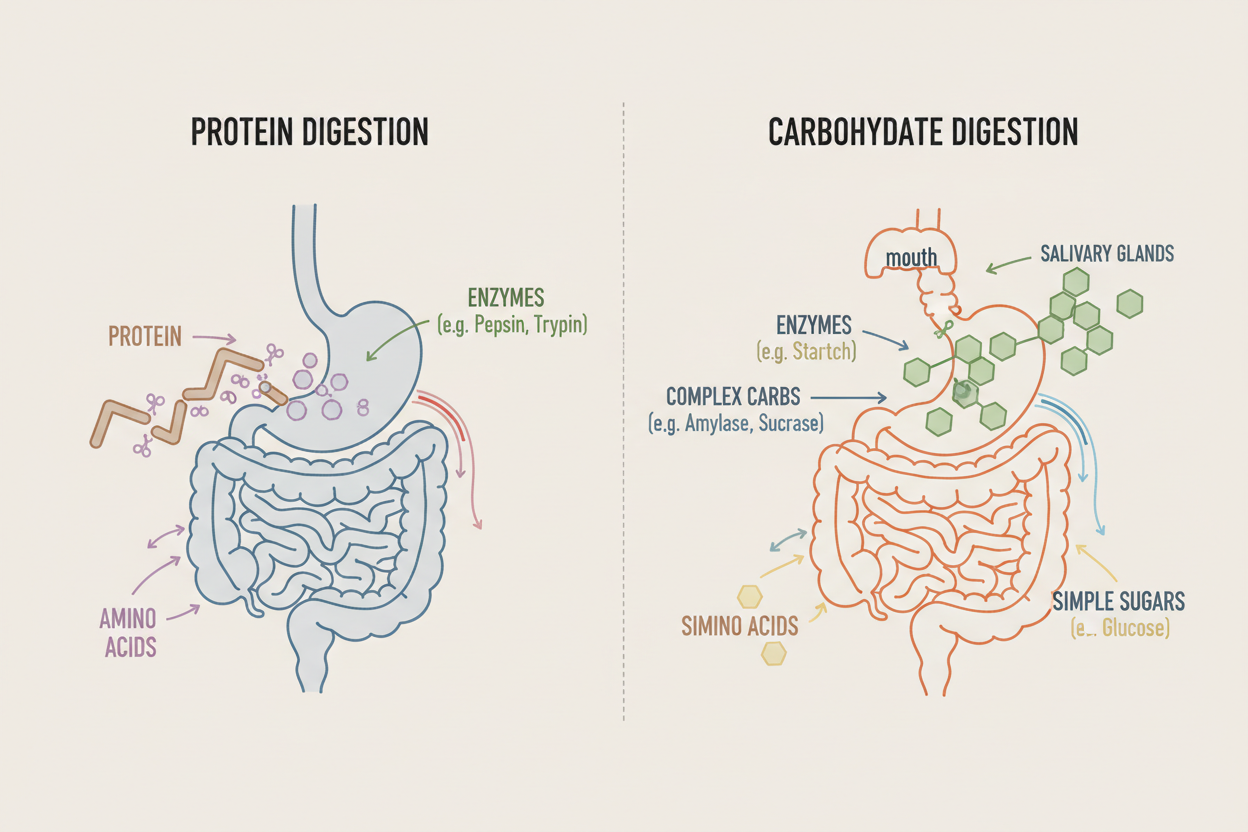
- Carbohydrates digest incredibly fast. Simple carbs can begin breaking down in your mouth via salivary enzymes and fully leave your stomach in 30 to 60 minutes, providing rapid daily energy.
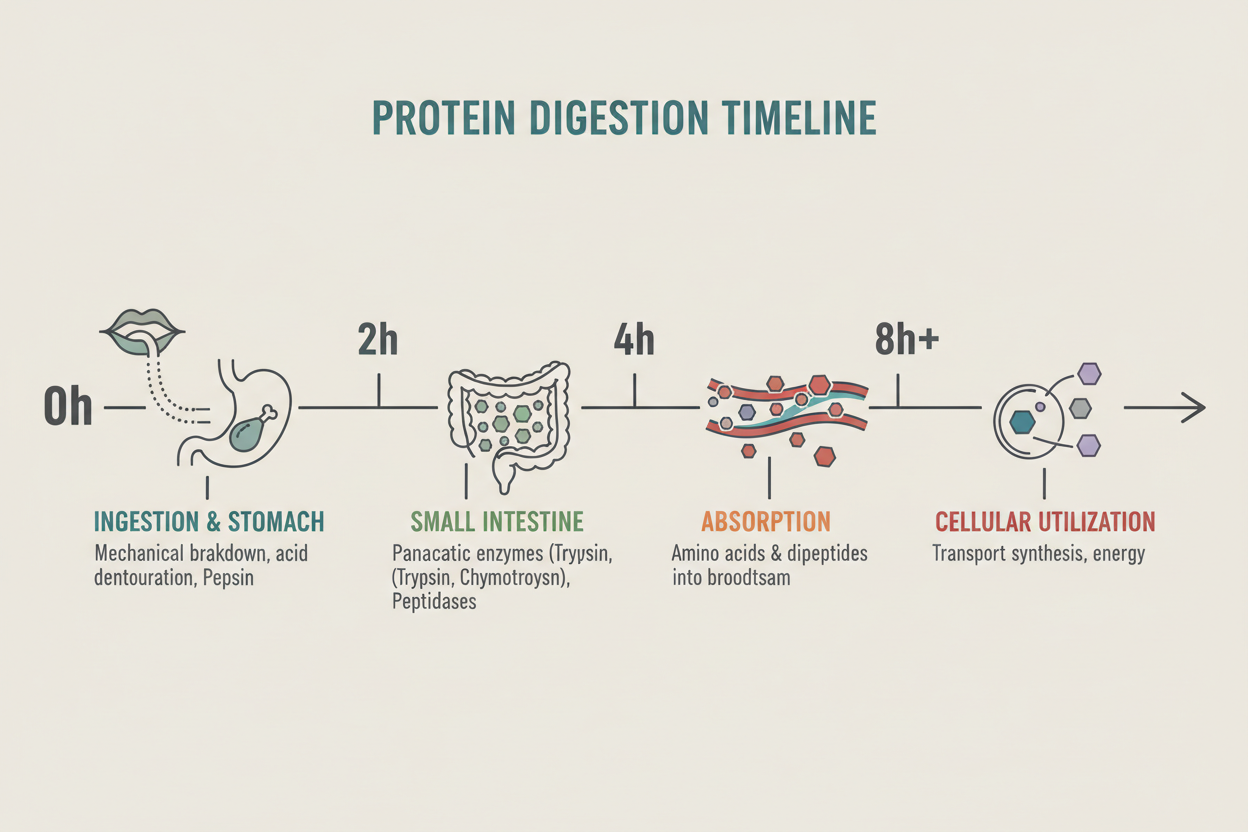
- Proteins take significantly longer. Because protein molecules have complex structures, your stomach must deploy heavy gastric juices and enzymes like pepsin to break them down. Protein generally takes 2 to 4 hours to fully digest and exit the stomach.
How Protein Can Cause Bloating (And When It Doesn’t)
Protein is broken down into amino acids, which are the building blocks your body uses to repair muscle and support metabolism. This helps your body recover faster and maintain steady energy.
But protein digestion requires more effort than carbs.
It depends heavily on stomach acid, which helps break protein into smaller pieces so your body can absorb it. When stomach acid is low, protein can sit longer in the stomach.
That’s when you feel heaviness or pressure.
Another factor is digestibility, which refers to how easily your body can break down and absorb a protein source. Better digestibility means less strain on your gut and fewer chances of discomfort.
Highly processed protein powders often include gums, thickeners, and artificial ingredients. These can slow digestion and make the problem worse.
Why Carbs Often Get Blamed for Bloating
Carbohydrates behave differently in the body.
Some are absorbed quickly and used for energy. Others are broken down by bacteria in the gut.
This process is called fermentation. It produces gas, which leads to bloating and pressure.
Certain types of carbs, often referred to as fermentable carbohydrates, are harder for some people to digest. That’s why bloating can happen quickly after eating them.
Unlike protein, which creates a slower and heavier feeling, carbs tend to cause fast gas buildup.
The Real Difference: Slow Pressure vs Fast Gas
This is the easiest way to understand it.
Protein-related bloating feels like fullness and heaviness.
Carb-related bloating feels like gas and expansion.
The difference comes down to digestion speed.
Protein takes longer to break down. Carbs can create gas quickly when they ferment.
Neither one is inherently bad. The issue is how your body responds to each.
The Earth Fuel Way
Most people focus on whether protein or carbs are the problem.
The real issue is how easy your protein is to digest.
When protein powders include artificial sweeteners, gums, or thickeners, they can slow digestion. That creates unnecessary stress on your gut.
A better approach is to focus on simplicity.
Look for protein that avoids additives and is easier for your body to process. This reduces the chance of bloating and improves how your body absorbs nutrients.
If you want to go deeper, these will help:
- Does Plant Protein Cause Bloating
- Why Protein Powder May Cause Bloating and What to Look For
- What Causes Gas from Protein Powder
- Best Protein Powder Without Artificial Sweeteners
-
Best Protein Powder Without Gums or Fillers
Try Earth Fuel: Designed for Digestive Comfort

The Bottom Line
Protein and carbs can both cause bloating, but for different reasons.
Protein creates a slower, heavier feeling when digestion is off. Carbs create gas when they ferment in the gut.
The goal isn’t to remove one completely. It’s to understand how your body responds and make smarter choices.
When protein is clean, simple, and easy to digest, it becomes one of the most reliable nutrients you can use without discomfort.