Plant Protein vs Whey for Digestion
The comparison between plant protein vs whey for digestion is one of the most common topics discussed in modern nutrition. Both protein sources provide amino acids that the body uses for normal biological functions, but their structural characteristics and ingredient composition influence how they interact with the digestive system.
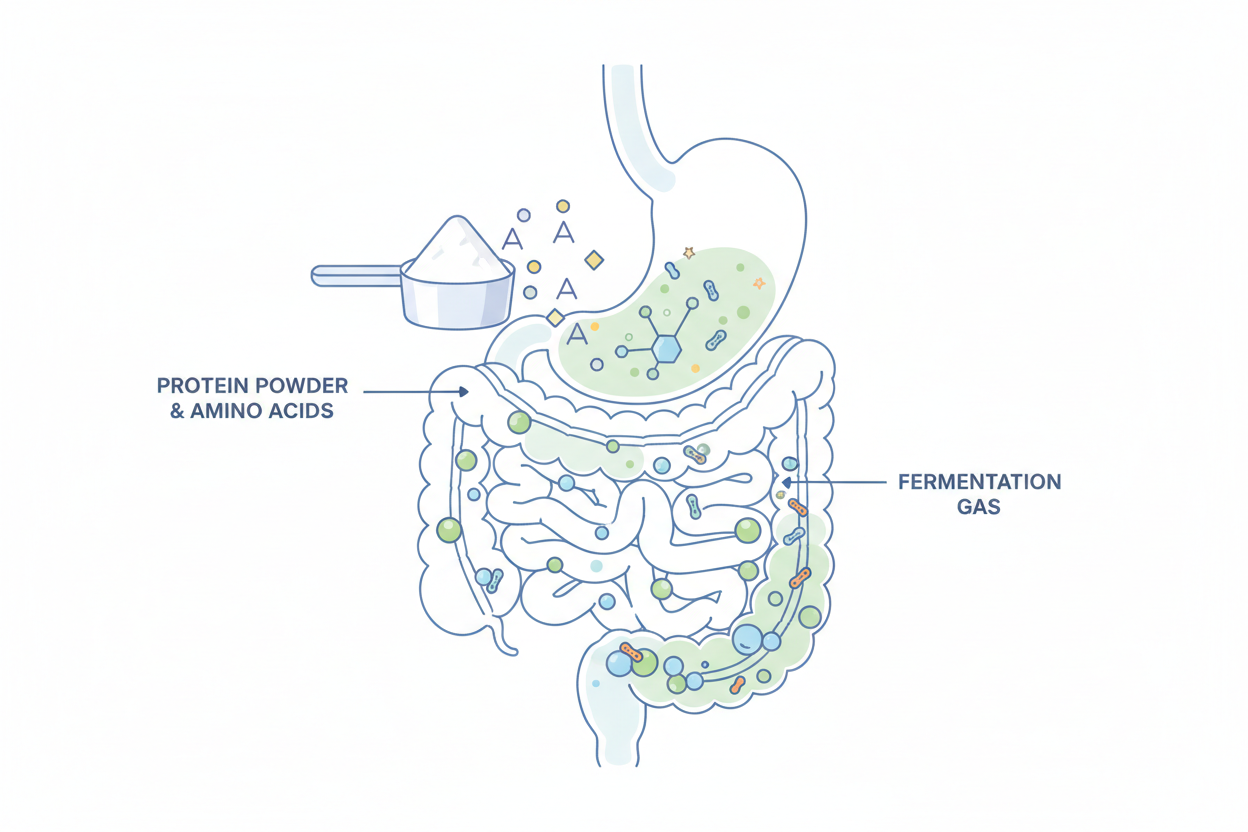
Protein digestion involves breaking large protein molecules into smaller peptides and individual amino acids. These amino acids are then absorbed through the small intestine and transported throughout the body.
Because plant proteins and whey proteins originate from different biological sources, their structure and composition differ. These differences may influence how digestive enzymes interact with the protein during the digestion process.
This article explains plant protein vs whey for digestion using neutral, science based language. The focus remains on ingredient structure, digestive mechanisms, and protein composition rather than performance claims.
What Whey Protein Is
Whey protein is derived from milk during the cheese production process. When milk is separated into curds and liquid whey, the whey portion contains soluble proteins that can be filtered and concentrated into protein powder.
During manufacturing, whey is processed through filtration and drying stages to produce whey protein concentrate or whey protein isolate.
The structural characteristics of protein ingredients can influence how they interact with digestive enzymes. These structural factors are discussed in Protein Isolates vs Concentrates Explained, which explores how processing changes protein ingredient structure.
Because whey protein originates from dairy, it may contain small amounts of lactose depending on the processing method used.
For individuals who digest dairy comfortably, whey protein can be processed efficiently by digestive enzymes.
However, individuals who are sensitive to lactose or milk proteins may experience digestive discomfort when consuming whey based protein powders.
What Plant Protein Is
Plant protein is produced by extracting the protein portion of plant foods such as seeds, legumes, or grains.
During manufacturing, plant ingredients are processed through filtration and drying methods that concentrate the protein while removing other components such as starch and fiber.
The extraction process used to create plant protein powders is explained in How Plant Proteins Are Extracted, which describes how plant proteins are separated and refined during production.
Plant proteins differ structurally from dairy proteins because they originate from plant cells rather than animal milk proteins.
These structural differences influence how digestive enzymes interact with the protein during digestion.
Plant protein ingredients also avoid dairy components such as lactose and milk proteins, which may influence digestive tolerance for some individuals.
How Digestion Differs Between Protein Sources
Protein digestion begins when stomach acid unfolds protein structures and digestive enzymes begin breaking peptide bonds.
This process is explained in What Happens to Protein During Digestion, which describes how protein structures are gradually broken down in the digestive system.
Different protein sources contain different structural characteristics that affect how enzymes access these peptide bonds.
The broader comparison between protein sources is explored in Digestibility Differences Between Protein Sources, which explains how structural differences influence digestion behavior.
Plant proteins may contain naturally occurring plant compounds that interact with digestive enzymes, while whey proteins contain milk derived protein structures.
These structural differences do not change the role of protein within the body, but they can influence how digestion proceeds.
Understanding these mechanisms helps explain why individuals may experience different digestive responses depending on the protein source used.
Digestion and Amino Acid Absorption
Regardless of the protein source, digestion ultimately breaks proteins into amino acids that the body can absorb.
Once digestion is complete, amino acids pass through specialized transport systems in the small intestine.
The absorption stage of this process is explained in How Protein Is Absorbed in the Small Intestine, which describes how amino acids move from the digestive tract into circulation.
The concept of absorption efficiency is further discussed in Protein Absorption and Bioavailability Explained, which explains how absorbed amino acids become available for biological functions.
Both plant protein and whey protein provide amino acids that support normal biological processes once digestion and absorption are complete.
The differences between these protein sources primarily relate to ingredient structure, formulation composition, and digestive interaction.
Choosing a Protein Source
Consumers comparing plant protein vs whey for digestion often evaluate ingredient composition, formulation simplicity, and digestive tolerance.
Some individuals prefer plant protein powders because they avoid dairy ingredients and focus on plant based protein sources.
Others may prefer whey protein depending on dietary preferences or formulation characteristics.
Earth Fuel protein powder is built around plant based ingredients and a simplified formulation approach designed to emphasize ingredient clarity and digestibility.
This formulation philosophy reflects a broader shift toward ingredient transparency and clean protein formulations within the supplement industry.
Understanding protein structure, ingredient composition, and digestive mechanics helps provide a clearer framework for evaluating protein powder options.
Part of the Digestibility Series
This article is part of the Earth Fuel Digestibility series, where we explore how protein ingredients interact with digestion, absorption, and metabolic processes.
The series explains how ingredient structure, processing methods, and formulation choices influence how protein behaves within the digestive system.
Related Articles in This Series
Protein Isolates vs Concentrates Explained
How Plant Proteins Are Extracted
What Happens to Protein During Digestion
Digestibility Differences Between Protein Sources
Protein Absorption and Bioavailability Explained
About Earth Fuel
Earth Fuel is built around one principle: simple protein. Nothing extra. We focus on clean ingredients, transparent sourcing, and clear formulation practices across every stage of the protein lifecycle. Learn more about our formulation philosophy on the Earth Fuel homepage.
Frequently Asked Questions
Is plant protein easier to digest than whey protein
Digestive response varies between individuals and depends on ingredient composition, processing methods, and protein structure.
Does whey protein contain lactose
Some whey protein products may contain small amounts of lactose depending on the processing method used.
Do plant proteins contain amino acids
Yes. Plant proteins contain amino acids that become available after digestion.
Does digestion affect protein absorption
Yes. Proteins must first be broken down into amino acids before they can be absorbed through the small intestine.
Are plant protein powders dairy free
Yes. Plant protein powders are derived from plant sources and do not contain dairy ingredients.

Written by Earth Fuel