Best Protein Powder for Digestion
Choosing the best protein powder for digestion depends on how well the protein ingredient interacts with the digestive system. Protein powders vary widely in ingredient composition, processing methods, and formulation structure, all of which influence how the body processes protein during digestion.
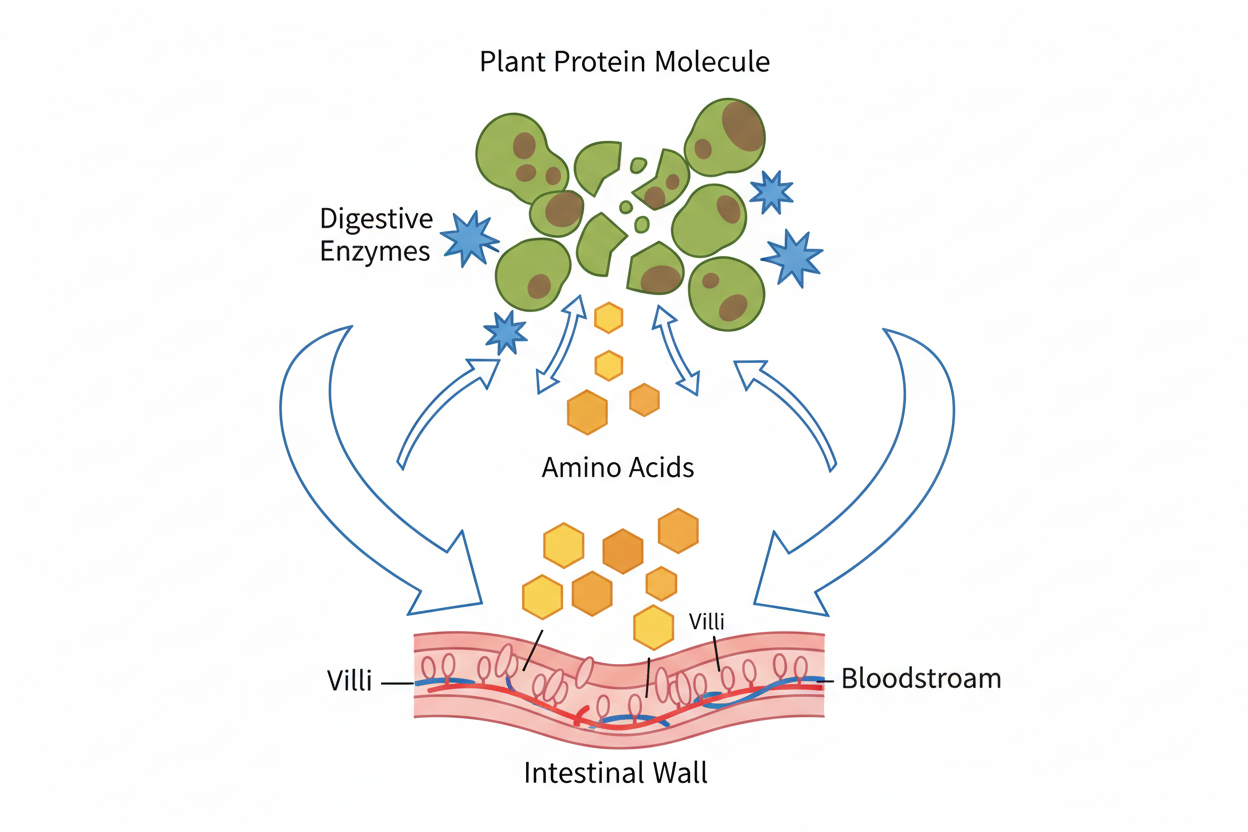
Digestibility is an important consideration because proteins must be broken down into amino acids before they can be absorbed and used by the body. If digestion is inefficient, amino acids may not become fully available for normal biological functions.
This article explains how to evaluate the best protein powder for digestion using neutral, science based language. The discussion focuses on ingredient characteristics, digestive behavior, and formulation structure rather than performance claims.
What Makes a Protein Powder Easy to Digest
The best protein powder for digestion is one that allows digestive enzymes to access and break down the protein efficiently.
Proteins are made of amino acid chains folded into complex structures. During digestion, these structures must unfold before enzymes can break peptide bonds and release amino acids.
Several factors influence how easily this process occurs:
• protein source
• ingredient purity
• particle size
• formulation complexity
A clear overview of how digestion begins is explained in What Happens to Protein During Digestion, which describes how stomach acid and digestive enzymes begin dismantling protein structures.
Proteins with simpler structures and fewer interfering compounds may allow enzymes to interact more efficiently with the protein matrix.
This structural accessibility plays an important role in determining how easily a protein powder is digested.
Protein Source and Digestibility
Protein source is one of the most important variables influencing digestion.
Different protein sources contain different structural properties that affect how digestive enzymes interact with the protein.
Plant proteins and dairy proteins differ in several ways, including composition, structure, and ingredient characteristics.
The broader comparison between protein sources is explained in Digestibility Differences Between Protein Sources, which discusses how different proteins behave during digestion.
Some individuals find that certain protein sources interact more comfortably with their digestive system. This variation can be related to lactose sensitivity, ingredient complexity, or structural differences in the protein itself.
Understanding how different protein sources behave during digestion can help clarify why some protein powders feel easier to digest than others.
Ingredient Simplicity and Digestive Comfort
Ingredient composition also plays a role in how protein powders behave during digestion.
Many protein powders contain additional ingredients beyond protein itself. Flavor systems, thickening agents, sweeteners, and stabilizers are commonly added to improve taste and texture.
While these ingredients serve functional purposes, they may also influence how the digestive system processes the product.
Simpler ingredient systems often allow digestive enzymes to focus primarily on breaking down the protein structure itself.
The connection between formulation quality and digestion is discussed in Ingredient Quality and Digestibility in Protein Powders, which explains how ingredient choices influence digestive behavior.
Clean ingredient lists may help reduce complexity during digestion and allow the digestive system to process protein more efficiently.
Digestibility and Amino Acid Absorption
Digestibility is closely connected to amino acid absorption.
Digestion breaks proteins into amino acids, while absorption refers to how those amino acids move from the digestive tract into the bloodstream.
Once digestion is complete, amino acids are transported through the intestinal wall into circulation.
The mechanisms behind this process are explained in How Protein Is Absorbed in the Small Intestine, which describes how amino acids move from the digestive tract into the body.
The concept of absorption efficiency is further explored in Protein Absorption and Bioavailability Explained, which explains how absorbed amino acids become available for biological functions.
When evaluating the best protein powder for digestion, both digestion and absorption should be considered together because they represent sequential stages of the same nutritional process.
Choosing a Clean Protein Formula
Many consumers looking for the best protein powder for digestion focus on simple formulations built around clean ingredients and transparent sourcing.
Protein powders designed with digestibility in mind often emphasize minimal ingredient systems, clear formulation practices, and protein sources that interact smoothly with the digestive process.
Earth Fuel protein powder follows this philosophy by focusing on simple protein ingredients and clean formulation structure without unnecessary additives. Learn more about the formulation behind Earth Fuel Plant Protein Powder.
This approach reflects a broader trend toward ingredient transparency and simplified protein formulations within the supplement industry.
Understanding ingredient structure, formulation simplicity, and digestion mechanics helps provide a clearer framework for evaluating protein powder options.
Part of the Digestibility Series
This article is part of the Earth Fuel Digestibility series, where we explore how protein ingredients interact with digestion, absorption, and metabolic processes.
The series examines how ingredient structure, processing methods, and formulation choices influence how protein behaves within the digestive system.
Related Articles in This Series
What Happens to Protein During Digestion
Digestibility Differences Between Protein Sources
Ingredient Quality and Digestibility in Protein Powders
How Protein Is Absorbed in the Small Intestine
Protein Absorption and Bioavailability Explained
About Earth Fuel
Earth Fuel is built around one principle: simple protein. Nothing extra. We focus on clean ingredients, transparent sourcing, and clear formulation practices across every stage of the protein lifecycle. Learn more about our approach and formulation philosophy on the Earth Fuel homepage.
Frequently Asked Questions
What is the best protein powder for digestion
The best protein powder for digestion is one that allows digestive enzymes to efficiently break down protein into amino acids.
Do plant proteins digest better than whey
Digestibility varies by ingredient and processing method, but structural differences between plant and dairy proteins may influence digestion.
Can protein powder cause digestive discomfort
Some protein powders may cause digestive discomfort depending on ingredient composition, lactose content, or formulation complexity.
Does ingredient quality affect digestion
Yes. Ingredient purity, processing methods, and formulation choices may influence how efficiently protein is digested.
Does digestion affect protein absorption
Yes. Proteins must first be broken down into amino acids during digestion before absorption can occur in the small intestine.

Written by Earth Fuel