Pumpkin Seed Protein Benefits in Plant Based Nutrition
Pumpkin seed protein is a plant based protein ingredient derived from pumpkin seeds and used in a growing number of plant based nutrition products. As interest in plant based diets and alternative protein sources continues to expand, pumpkin seed protein has become one of the ingredients used in plant protein formulations.
Like all dietary proteins, pumpkin seed protein provides amino acids that become available to the body after digestion breaks protein molecules into smaller components. These amino acids contribute to many biological processes including enzyme production, cellular structure, and metabolic activity.
This article explains pumpkin seed protein benefits in plant based nutrition using neutral, science based language. The focus remains on protein composition, ingredient sourcing, and the role of plant proteins in nutrition rather than performance claims.
The Role of Protein in Plant Based Nutrition
Protein is one of the essential macronutrients required for normal biological function. Dietary protein provides amino acids that support enzyme activity, structural proteins, metabolic processes, and cellular communication.
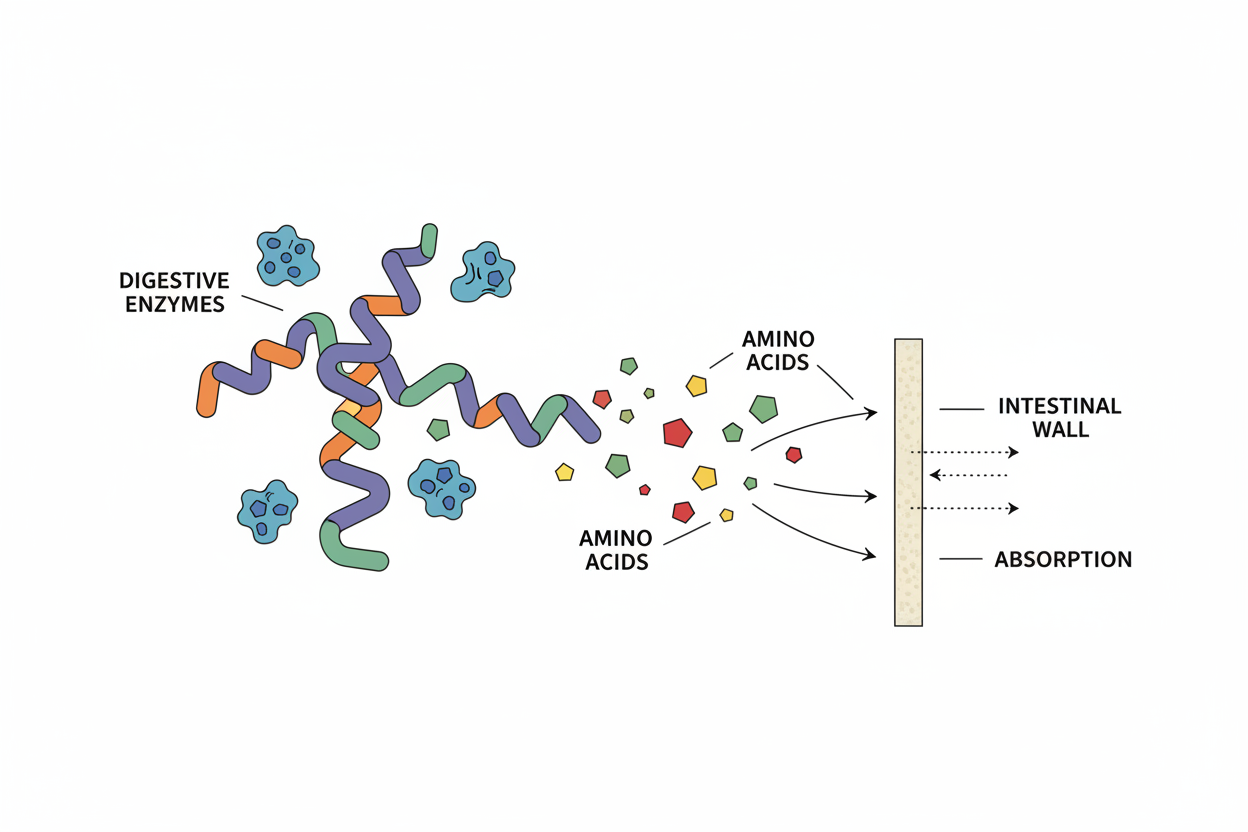
When protein is consumed, digestive enzymes break the protein structure into amino acids that can be absorbed into circulation.
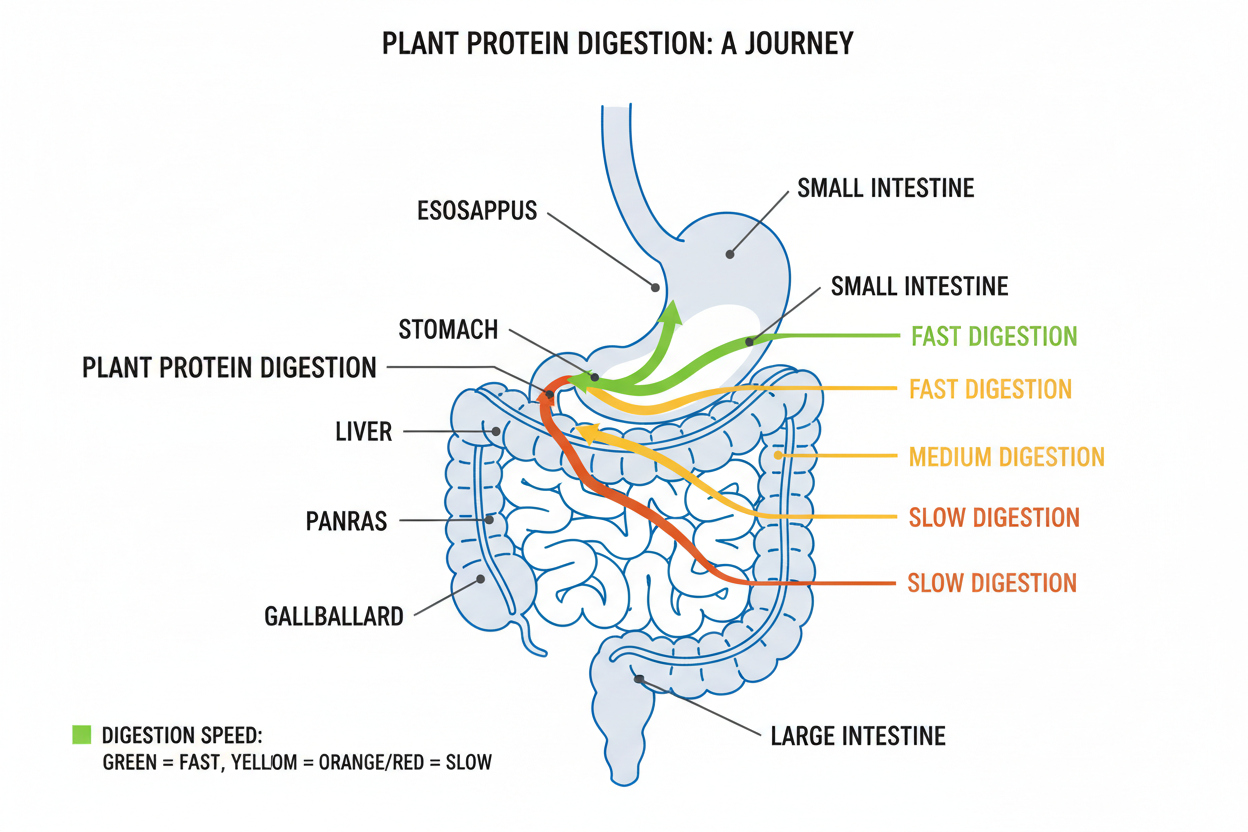
The digestive stages involved in this process are explained in What Happens to Protein During Digestion, which describes how protein structures are gradually dismantled within the digestive system.
Once digestion is complete, amino acids pass through the small intestine and enter circulation where they contribute to normal biological functions throughout the body.
The absorption stage of this process is explained in How Protein Is Absorbed in the Small Intestine, which describes how amino acids move through the intestinal wall and into the bloodstream.
Understanding how proteins function in the body provides context for how plant protein ingredients contribute to nutrition.
Pumpkin Seed Protein as a Plant Protein Ingredient
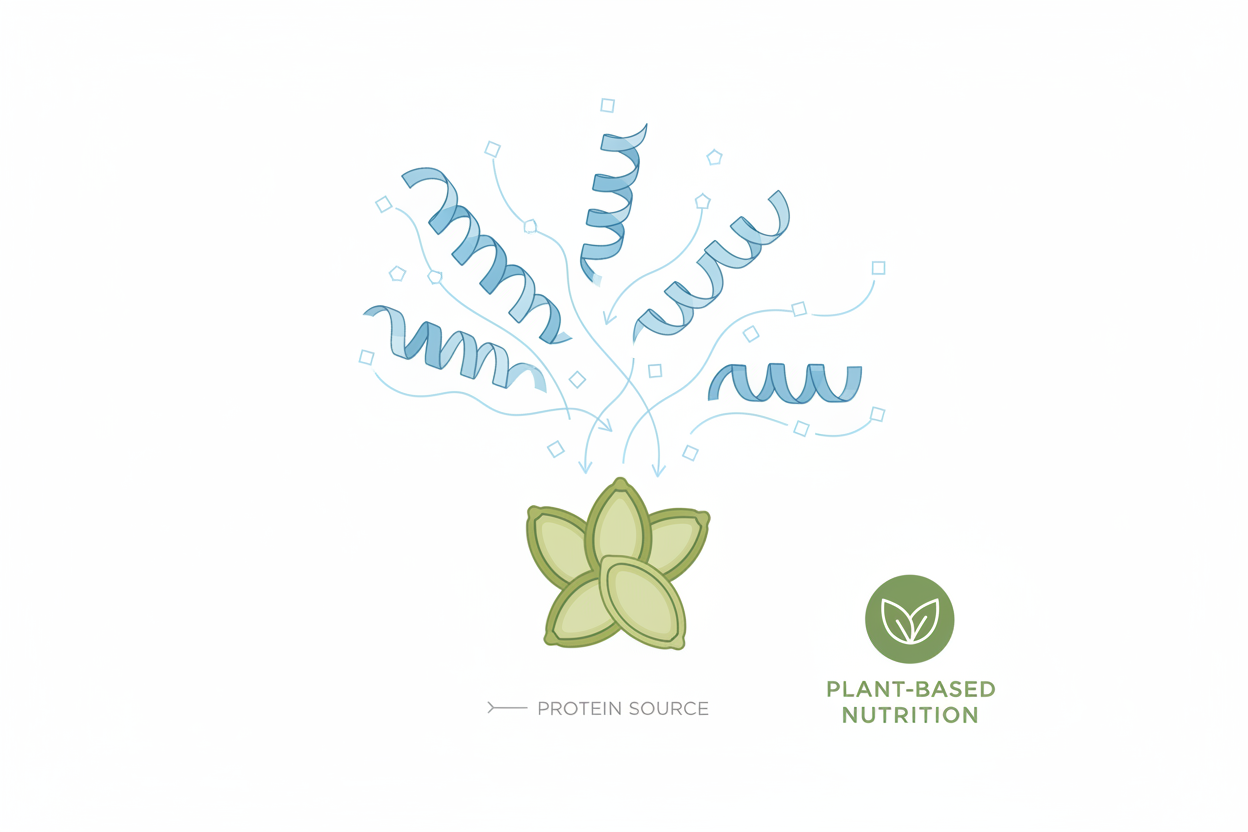
Pumpkin seed protein originates from pumpkin seeds that are processed to concentrate the protein portion of the seed.
During production, the seeds undergo mechanical processing that removes oil and refines the remaining material into a stable protein powder ingredient.
The process used to isolate plant proteins is explained in How Plant Proteins Are Extracted, which describes how plant materials are processed to concentrate protein.
Because pumpkin seed protein originates from seeds rather than legumes or grains, its structural composition differs from many other plant protein ingredients.
Like all proteins, pumpkin seed protein consists of amino acid chains that must be broken down during digestion before they become available for absorption.
Understanding how plant proteins are produced helps explain how pumpkin seed protein fits into plant based nutrition products.
Amino Acids in Pumpkin Seed Protein
Amino acids are the fundamental building blocks of protein. When protein is digested, enzymes separate amino acid chains so that individual amino acids can be absorbed.
The role of amino acids in nutrition is explained in Amino Acids Explained and Why They Matter, which describes how amino acids support normal biological functions.
Some amino acids must be obtained from dietary protein sources because the body cannot produce them independently.
The distinction between amino acid types is discussed in Essential vs Non Essential Amino Acids, which explains how these amino acids contribute to protein nutrition.
The overall balance of amino acids within a protein ingredient influences how that protein contributes to dietary protein intake.
Understanding amino acid composition provides insight into how plant protein ingredients function in nutrition.
Plant Proteins in Modern Nutrition Products
Plant protein ingredients are widely used in modern nutrition products including protein powders and plant based foods.
Different plant proteins contain different structural characteristics depending on the plant source from which the protein is derived.
The relationship between protein source and digestion behavior is discussed in Digestibility Differences Between Protein Sources, which explains how structural differences influence digestion.
Plant based protein formulations often combine multiple protein ingredients depending on formulation design and ingredient goals.
These formulations may emphasize ingredient transparency and simple formulation systems.
Earth Fuel protein powder reflects this philosophy by focusing on plant based ingredients and simplified formulation practices designed to emphasize ingredient clarity and protein sourcing.
Understanding how plant proteins contribute to nutrition helps provide context for how ingredients such as pumpkin seed protein are used in modern protein formulations.
Pumpkin Seed Protein in Plant Based Diets
Plant based diets emphasize foods and ingredients derived from plants rather than animal sources.
Plant proteins can contribute to dietary protein intake within these nutrition patterns.
Pumpkin seed protein is one of the plant derived protein ingredients that may be used in plant based protein formulations.
Because plant proteins originate from a variety of plant sources, different ingredients contribute different structural characteristics and amino acid compositions.
Understanding how these ingredients function within nutrition products helps clarify the role of plant proteins in modern diets.
Part of the Protein Ingredient Science Series
This article is part of the Earth Fuel Protein Ingredient Science series, where we explore how protein ingredients are sourced, processed, and used in modern protein powder formulations.
The series examines how ingredient composition, structural characteristics, and processing methods influence protein ingredient behavior.
Related Articles in This Series
How Plant Proteins Are Extracted
Amino Acids Explained and Why They Matter
Essential vs Non Essential Amino Acids
Digestibility Differences Between Protein Sources
Pumpkin Seed Protein Digestibility Explained
About Earth Fuel
Earth Fuel is built around one principle: simple protein. Nothing extra. We focus on clean ingredients, transparent sourcing, and clear formulation practices across every stage of the protein lifecycle. Learn more about the formulation and ingredients behind Earth Fuel plant protein powder.
Frequently Asked Questions
What is pumpkin seed protein used for
Pumpkin seed protein is used as a plant based protein ingredient in nutrition products such as protein powders.
Does pumpkin seed protein contain amino acids
Yes. Pumpkin seed protein contains amino acids that become available after digestion.
Is pumpkin seed protein plant based
Yes. Pumpkin seed protein is derived entirely from pumpkin seeds, which are plant based ingredients.
How does pumpkin seed protein contribute to nutrition
Pumpkin seed protein contributes amino acids that participate in many biological processes after digestion.
Are plant proteins commonly used in nutrition products
Yes. Plant proteins are widely used in modern nutrition products including protein powders and plant based foods.

Written by Earth Fuel