Common Myths About Plant Based Protein
Plant based protein is surrounded by a surprising number of myths. Some are outdated, others are oversimplified, and many persist because nutrition science is often reduced to sound bites rather than explained clearly.
These myths can make people hesitant to explore plant based protein, even when it may align well with their digestion, preferences, and long term nutrition goals.
This article addresses some of the most common myths about plant based protein and explains what actually matters when evaluating protein quality.
Myth 1: Plant Based Protein Is Low Quality
One of the most common misconceptions is that plant based protein is inherently lower quality than animal protein.
Protein quality depends on:
-
Amino acid balance
-
Digestibility
-
Overall formulation
-
Consistency of intake
Plant based proteins can support normal protein metabolism effectively when sources are selected and combined thoughtfully. Quality is determined by how protein functions in the body, not by whether it comes from plants or animals.
Myth 2: Plant Based Protein Cannot Support Muscle
Another widespread belief is that plant based protein cannot support muscle maintenance.
Muscle tissue relies on:
-
Adequate total protein
-
Essential amino acids
-
Proper digestion and absorption
Plant based proteins provide amino acids just like animal proteins. When intake is sufficient and digestion functions normally, plant based protein can support routine muscle maintenance and turnover.
Myth 3: You Must Combine Proteins at Every Meal
Some people believe that plant based protein requires precise food combining at every meal to be effective.
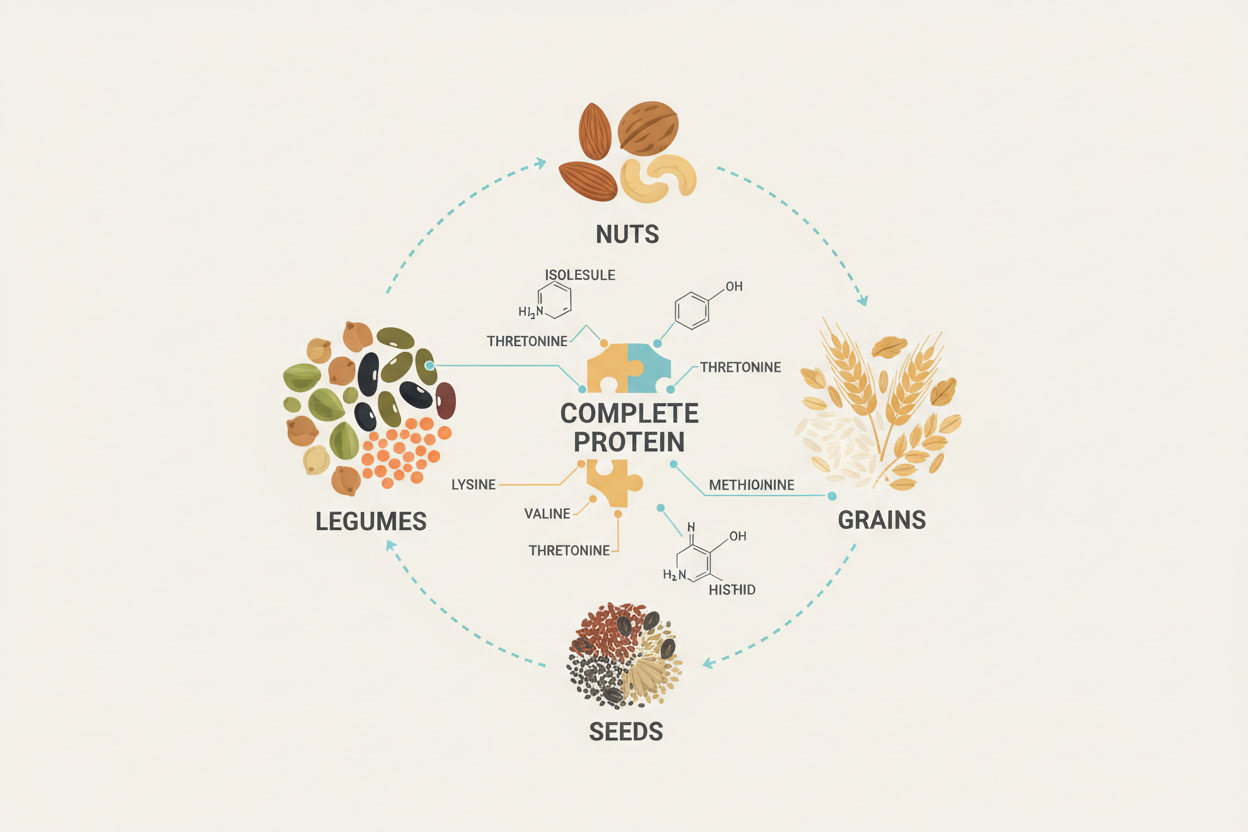
In reality, the body maintains an amino acid pool from protein consumed throughout the day. This pool is used as needed rather than all at once.
This means:
-
Meals do not need perfect amino acid balance individually
-
Overall daily intake matters more than single meals
-
Variety over time supports balance naturally
Myth 4: Plant Based Protein Is Harder to Digest
Digestibility varies widely between individuals and protein sources.
Some people find plant based proteins easier to tolerate, while others prefer animal based options. Digestibility is influenced by:
-
Protein source
-
Fiber content
-
Processing methods
-
Individual digestive sensitivity
Plant based protein is not inherently harder to digest. Comfort depends on formulation and personal tolerance.
Myth 5: Plant Based Protein Lacks Essential Amino Acids
Plant based proteins do contain essential amino acids. While some individual plant sources may be lower in specific amino acids, balanced formulations and varied diets support essential amino acid intake effectively.
This is why protein blends are commonly used in high quality plant based formulations.
Myth 6: More Protein Is Always Better
Consuming excessive protein does not guarantee better outcomes.
Protein works best when:
-
Intake aligns with individual needs
-
Digestion is comfortable
-
Absorption is efficient
Focusing on quality, digestion, and consistency is often more effective than simply increasing protein quantity.
Myth 7: Plant Based Protein Is Only for Certain Diets
Plant based protein is often associated with vegan or vegetarian diets, but it is used by a wide range of people.
Many individuals choose plant based protein because it:
-
Fits their digestion preferences
-
Aligns with ingredient simplicity
-
Complements a mixed diet
Plant based protein does not require strict dietary labels to be useful.
What Actually Matters When Choosing Protein
Rather than focusing on myths, it is more helpful to consider:
-
How protein is digested
-
How it fits into daily nutrition
-
Whether it feels comfortable over time
-
Whether the formulation is simple and balanced
These factors influence real world experience more than labels or assumptions.
Part of the Nutrition Foundations Series
This article is part of our Nutrition Foundations series, where we explain protein quality, digestion, and nutrition concepts clearly and without hype.
👉 Visit the Nutrition Foundations hub to explore more articles in this series.
Related Articles in This Series
You may also find these helpful:
About Earth Fuel
Earth Fuel is built around one principle: simple protein. Nothing extra. We focus on clear formulation, ingredient transparency, and structural integrity across every stage of the protein lifecycle. Learn more about our approach and formulation philosophy on the
Earth Fuel homepage
FAQ
Is plant based protein lower quality than animal protein
No. Protein quality depends on amino acid balance, digestion, and formulation, not source alone.
Can plant based protein support muscle
Yes. When intake and digestion are adequate, plant based protein supports normal muscle maintenance.
Do plant proteins need to be combined carefully
Daily variety matters more than combining proteins at every meal.
Is plant based protein harder to digest
Digestibility varies by individual and formulation, not by plant origin alone.
Does plant based protein lack essential amino acids
Plant based proteins provide essential amino acids, especially when sources are combined.
Is more protein always better
No. Balance, digestion, and consistency matter more than excess intake.

Written by Earth Fuel