
Article: What Is Plant Based Protein and How Does It Work
What Is Plant Based Protein and How Does It Work
Plant based protein has become one of the most talked-about nutrition topics in recent years. From athletes and active adults to people focused on digestion, longevity, and overall wellness, more individuals are turning to plant based protein as a foundational part of their daily nutrition.
But what exactly is plant based protein, and how does it work inside the body?
This guide explains how plant based protein is made, how it is digested, how it supports muscle and recovery, and what makes one protein source higher quality than another.
What Is Plant Based Protein
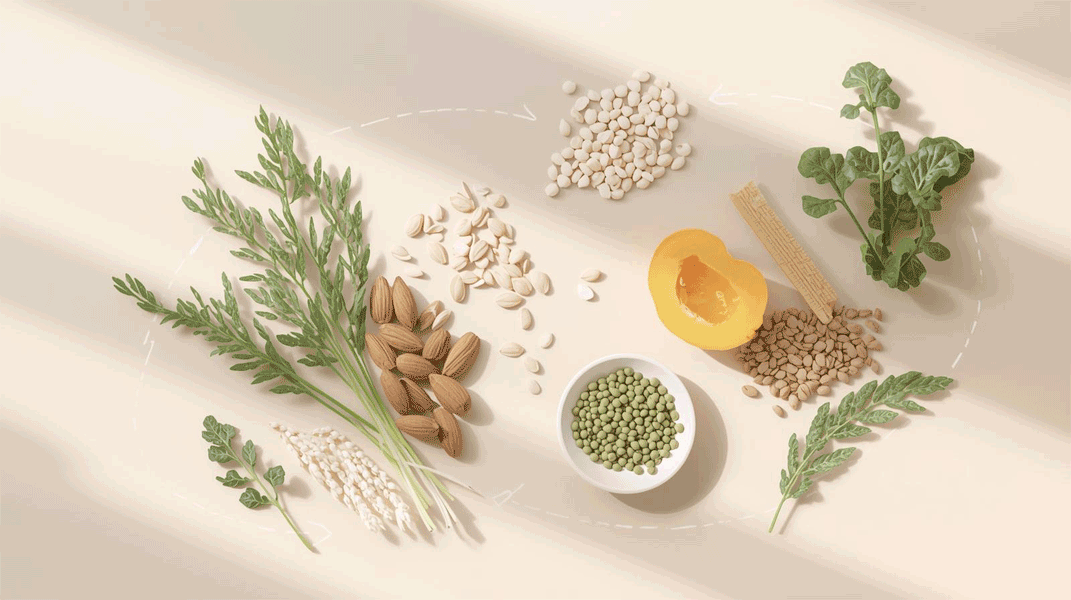
Plant based protein is protein that comes from plant sources rather than animal products. These proteins are extracted from whole foods and concentrated into powders or blended into formulations that provide essential amino acids needed by the body.
Common plant based protein sources include:
-
Pea protein
-
Pumpkin seed protein
-
Rice protein
-
Hemp protein
-
Soy protein
-
Almond and other nut based proteins
Each source has a unique amino acid profile, digestibility rate, and nutrient composition. Many high quality plant based proteins use blends of different sources to create a more complete amino acid profile.
How Protein Works in the Body
Protein is essential for nearly every biological process in the body. It plays a role in:
-
Muscle repair and maintenance
-
Enzyme and hormone production
-
Immune system support
-
Tissue regeneration
-
Cellular structure
When you consume protein, your digestive system breaks it down into amino acids. These amino acids are then absorbed into the bloodstream and used as building blocks throughout the body.
How Plant Based Protein Is Digested
The digestion process for plant based protein follows the same fundamental pathway as animal protein, with some important distinctions.
Step 1: Stomach digestion
Protein enters the stomach, where enzymes and stomach acid begin breaking it into smaller chains called peptides.
Step 2: Enzymatic breakdown
As protein moves into the small intestine, digestive enzymes further break peptides into individual amino acids.
Step 3: Absorption
Amino acids are absorbed through the intestinal lining and transported to tissues that need them.
The efficiency of this process depends on factors such as:
-
Protein source
-
Fiber content
-
Presence of digestive enzymes
-
Ingredient processing quality
High quality plant based proteins are formulated to support smooth digestion and efficient absorption.
Amino Acids and Why They Matter
Amino acids are the functional units of protein. The body uses them to build muscle, repair tissue, and regulate metabolic processes.
There are two main categories:
-
Essential amino acids, which must come from food
-
Non essential amino acids, which the body can produce
A complete protein provides all essential amino acids in adequate amounts. While some individual plant proteins are lower in certain amino acids, well designed plant based blends can deliver a balanced profile that supports muscle protein synthesis and recovery.
You can learn more about amino acids and their role in nutrition in our upcoming guide on amino acids and protein quality.
Is Plant Based Protein Effective for Muscle and Recovery
Yes — when formulated correctly.
Research shows that plant based protein can support muscle growth, strength, and recovery when total protein intake and amino acid balance are sufficient. The key factors are:
-
Total protein consumed
-
Adequate essential amino acids
-
Proper digestion and absorption
Many athletes and active individuals choose plant based protein because it can be easier on digestion, lower in inflammatory compounds, and supportive of long term health when sourced carefully.
Plant Based Protein vs Animal Protein
The primary differences between plant based and animal protein include:
-
Digestive experience: Some people find plant proteins gentler on the stomach
-
Fiber content: Plant proteins often include beneficial fiber
-
Inflammatory response: Plant based diets may reduce inflammatory load for some individuals
-
Sustainability: Plant proteins typically have a lower environmental footprint
Both types can be effective, but plant based protein offers unique advantages for those focused on digestion, ingredient simplicity, and overall wellness.
What Makes a High Quality Plant Based Protein
Not all plant based proteins are created equal. Quality depends on several factors:
-
Clean, minimally processed ingredients
-
Thoughtful protein source selection
-
Balanced amino acid profile
-
Digestibility and enzyme support
-
Absence of unnecessary additives
High quality formulations focus on how the protein functions in the body, not just the grams listed on the label.
Plant Based Protein as a Daily Foundation
Plant based protein is not just for athletes or people following a specific diet. It can serve as a daily nutritional foundation that supports:
-
Consistent energy
-
Muscle maintenance
-
Digestive comfort
-
Long term health
When combined with whole foods and a balanced diet, plant based protein becomes a practical and effective way to meet daily protein needs.
About Earth Fuel
Earth Fuel is built around one principle: simple protein. Nothing extra. We focus on clear formulation, ingredient transparency, and structural integrity across every stage of the protein lifecycle. Learn more about our approach and formulation philosophy on the
Earth Fuel homepage

Written by Earth Fuel

