Is Plant Based Protein Complete
The idea of “complete protein” is often used to judge whether a protein source is adequate. Because many people associate complete proteins with animal foods, plant based protein is sometimes assumed to be incomplete or less effective.
In reality, the concept of protein completeness is frequently misunderstood.
This article explains what complete protein means, how plant based protein fits into that definition, and why overall protein balance matters more than a single label.
What Does Complete Protein Mean
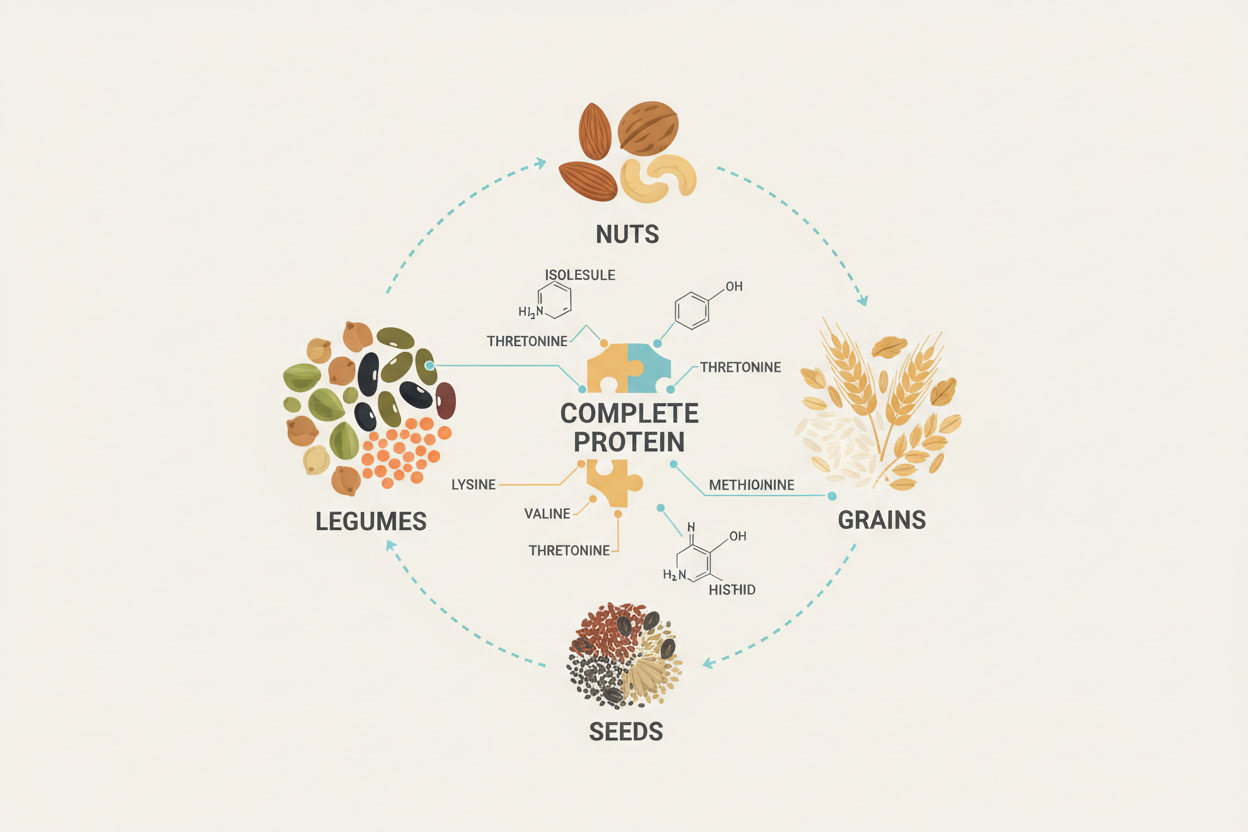
A complete protein is defined as a protein source that provides all nine essential amino acids in sufficient amounts.
Essential amino acids must come from the diet because the body cannot produce them on its own. When all nine are present, the body can use protein efficiently for normal functions such as tissue maintenance and repair.
Why Plant Proteins Are Often Called Incomplete
Some individual plant protein sources contain lower amounts of one or more essential amino acids. Because of this, they are sometimes labeled as incomplete.
This label does not mean the protein is ineffective. It simply reflects the amino acid profile of a single food source when viewed in isolation.
In real diets, protein is rarely consumed from only one source.
How the Body Uses Amino Acids Over Time
The body does not require all essential amino acids to come from a single food at one moment.
Instead:
-
Amino acids from meals contribute to a circulating amino acid pool
-
The body draws from this pool as needed
-
Balance across the day matters more than single meals
This means that protein completeness can be achieved through variety and thoughtful formulation.
Plant Based Protein Blends and Completeness
Many high quality plant based proteins use blends of complementary sources.
Blending helps:
-
Balance amino acid profiles
-
Support normal protein metabolism
-
Improve overall protein quality
This approach allows plant based protein to function as a complete protein source in daily nutrition.
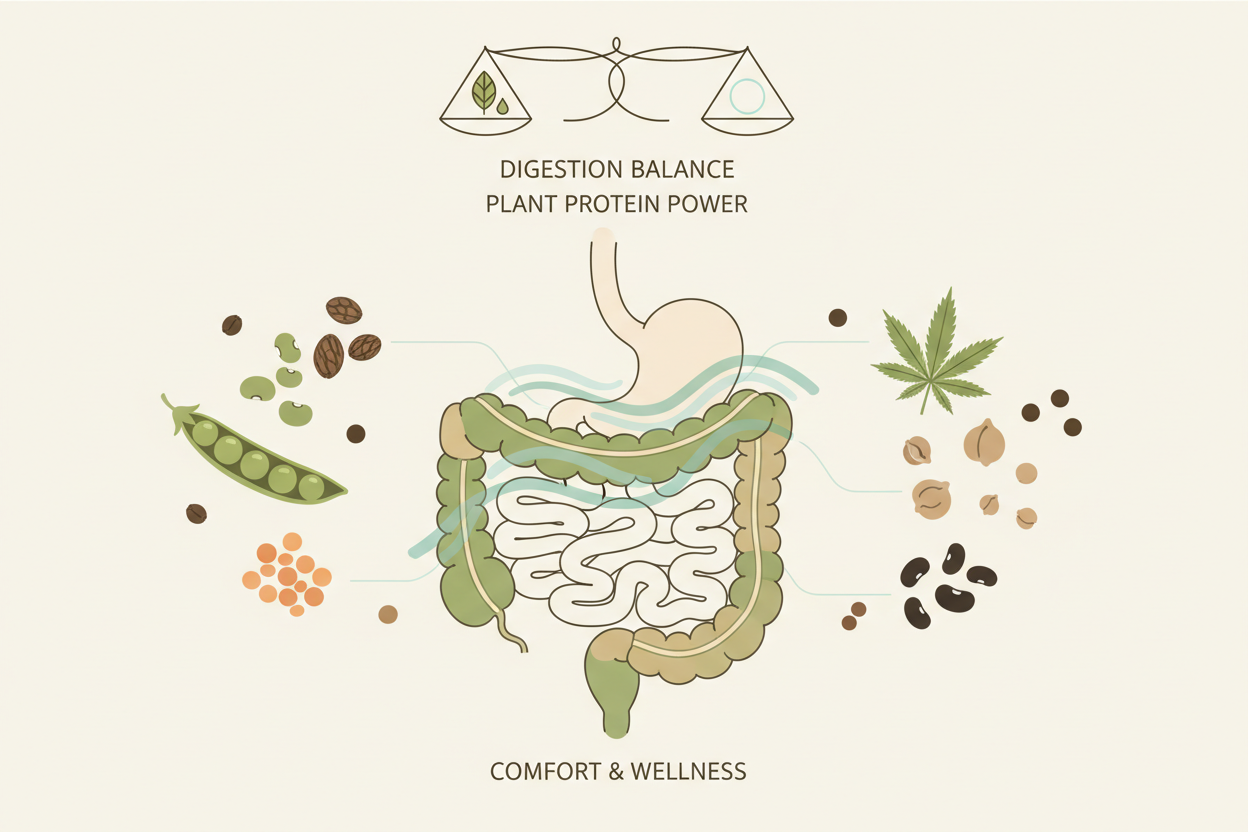
Completeness vs Digestibility
Protein completeness alone does not determine how protein performs in the body.
Digestibility and absorption influence:
-
Amino acid availability
-
Digestive comfort
-
Consistent nutrient use
A protein that is technically complete but poorly digested may be less effective than a balanced protein that digests smoothly.
Is Plant Based Protein Complete in Practice
In practical terms, plant based protein can be complete when:
-
Amino acid balance is considered
-
Total protein intake is adequate
-
Digestion and absorption function normally
This is why formulation and daily intake patterns matter more than strict labels.
Moving Beyond Labels
Focusing solely on whether a protein is labeled complete can oversimplify nutrition.
A more helpful approach is to consider:
-
Amino acid balance
-
Digestive experience
-
Ingredient quality
-
How protein fits into daily habits
These factors better reflect how protein supports normal body function over time.
Part of the Nutrition Foundations Series
This article is part of our Nutrition Foundations series, where we explain protein quality, digestion, and amino acid balance clearly and without hype.
👉 Visit the Nutrition Foundations hub to explore more articles in this series.
Related Articles in This Series
You may also find these helpful:
About Earth Fuel
Earth Fuel is built around one principle: simple protein. Nothing extra. We focus on clear formulation, ingredient transparency, and structural integrity across every stage of the protein lifecycle. Learn more about our approach and formulation philosophy on the
Earth Fuel homepage
FAQ
What makes a protein complete
A complete protein provides all nine essential amino acids in sufficient amounts.
Are all plant proteins incomplete
Some individual plant sources are lower in certain amino acids, but blends and varied diets support completeness.
Does protein need to be complete at every meal
No. The body uses amino acids from meals consumed throughout the day.
Can plant based protein support normal protein needs
Yes. When balanced and digested well, plant based protein supports normal protein metabolism.
Is completeness more important than digestibility
Both matter. Digestibility influences how well amino acids are used.
Why are blends common in plant based protein
Blends help balance amino acid profiles and support protein completeness.

Written by Earth Fuel