Amino Acid Balance vs Total Protein Intake
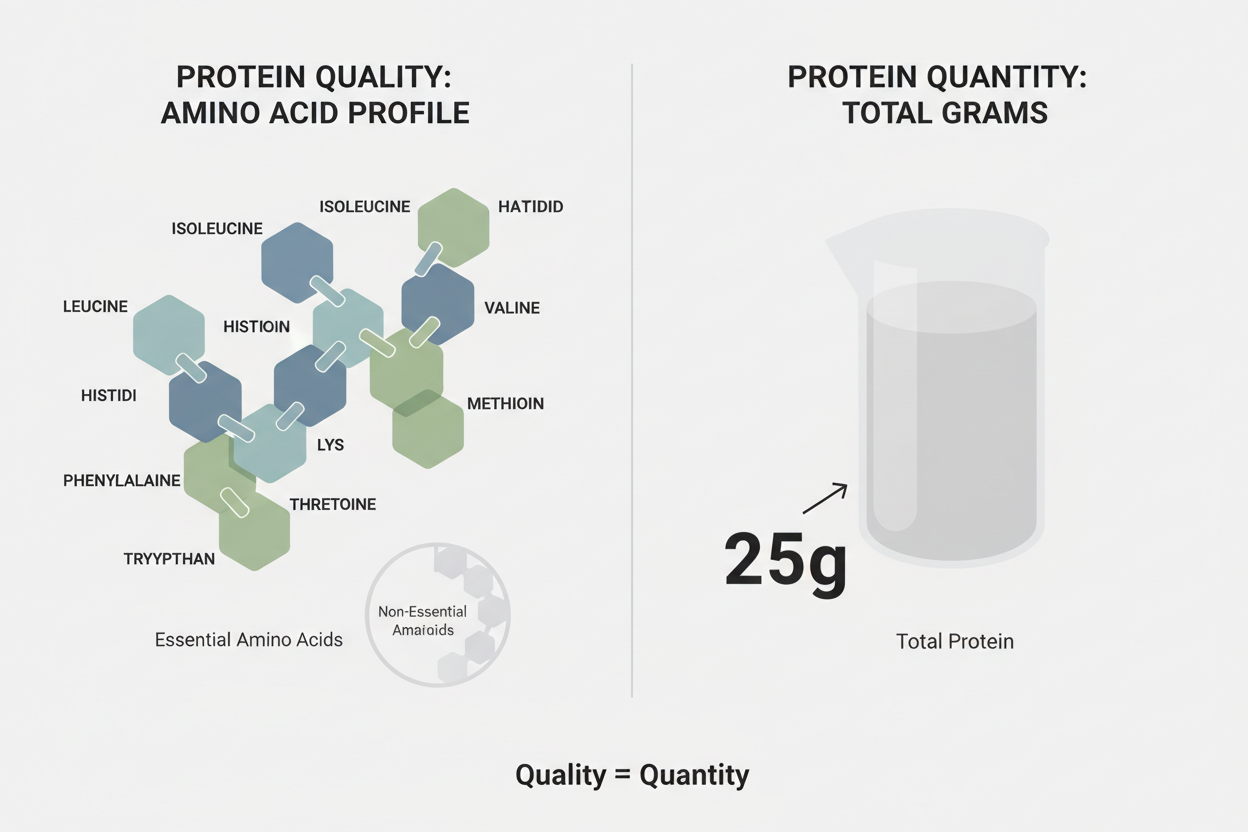
Protein is often discussed in terms of total intake, but from a foundational biology perspective, how amino acids are distributed and combined matters just as much as how much protein is consumed overall.
This article explains the difference between amino acid balance and total protein intake using descriptive, process based language. The focus is on how the body works, not on targets, recommendations, or outcomes.
What Amino Acid Balance Means
Amino acid balance refers to the relative presence of different amino acids within the circulating amino acid pool.
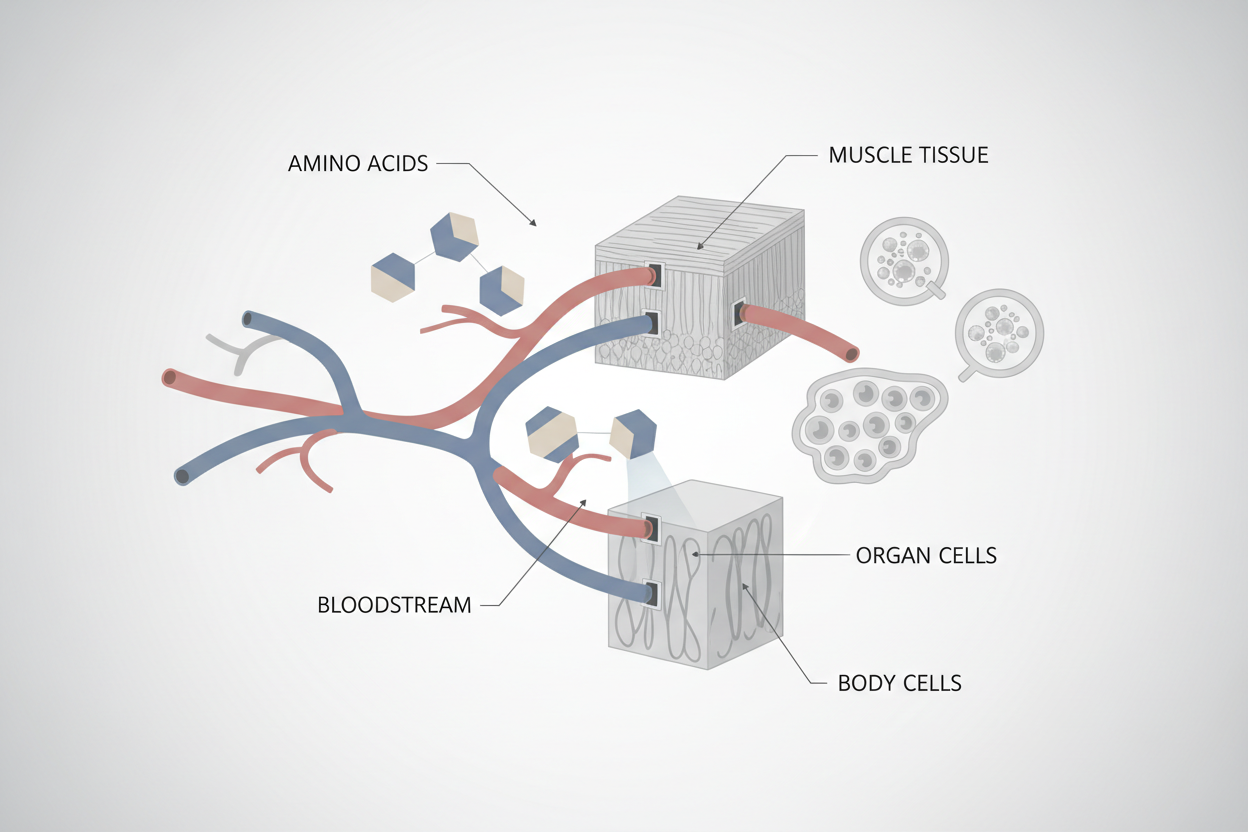
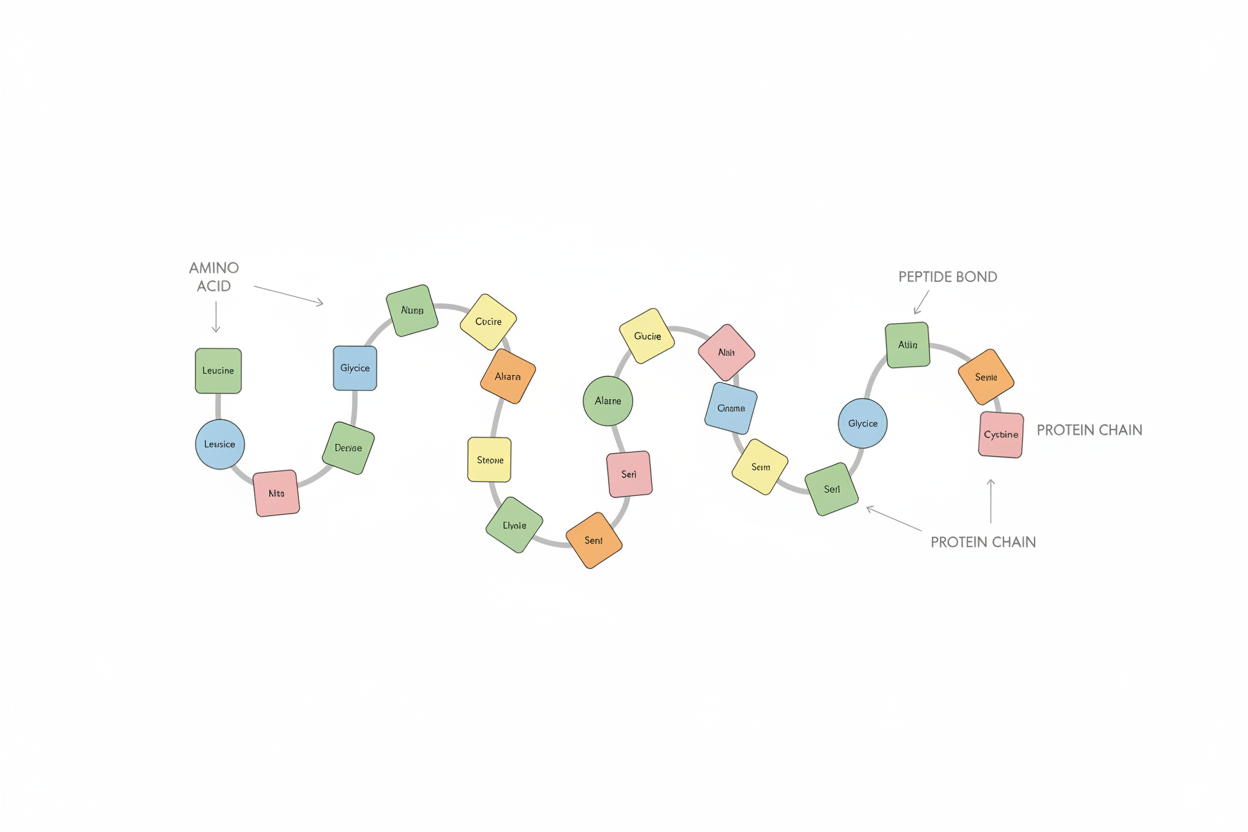
Proteins are built from specific combinations of amino acids. For protein construction to proceed smoothly, the necessary amino acids must be available at the same time and in compatible proportions.
Balance describes this relationship. It is about composition and alignment, not quantity.
Total Protein Intake Is a Broader Measure
Total protein intake refers to the overall amount of protein consumed through food.
This measure does not describe which amino acids are present, how they are distributed, or how they become available during digestion and absorption. It is a high level input value rather than a functional description.
From a Protein Fundamentals standpoint, intake alone does not explain how protein is used inside the body.
Why Balance and Intake Are Not the Same Thing
A diet can contain sufficient total protein while still presenting variability in amino acid balance.
Because different protein sources contain different amino acid profiles, the mix of proteins consumed influences the balance of amino acids that enter circulation after digestion.
Amino acid balance helps explain why protein sources are discussed in terms of composition, not just grams.
How the Body Uses Balanced Amino Acids
Cells assemble proteins based on specific structural requirements.
When the necessary amino acids are available together, protein construction proceeds according to genetic instructions. If certain amino acids are less available at a given time, protein assembly adjusts accordingly.
This regulation occurs naturally and continuously. Amino acid balance supports the body’s ability to manage this process smoothly.
How This Fits Into Protein Fundamentals
Understanding amino acid balance adds clarity to earlier topics such as digestion, availability, and cellular protein use.
Protein Fundamentals focuses on how protein moves from food into functional structures. Amino acid balance explains why composition is part of that discussion, without shifting into intake rules or performance framing.
Part of the Nutrition Foundations Series
This article is part of our Nutrition Foundations series, where we explain how different macronutrients are digested and used by the body.
👉 Visit the Nutrition Foundations hub to explore more articles in this series.
Related Articles in This Series
About Earth Fuel
Earth Fuel is built around one principle: simple protein. Nothing extra. We focus on clear formulation, ingredient transparency, and structural integrity across every stage of the protein lifecycle. Learn more about our approach and formulation philosophy on the
Earth Fuel homepage
Frequently Asked Questions
Q: Is amino acid balance the same as protein quality
A: No. Balance is one aspect of protein composition, while quality includes several characteristics.
Q: Does total protein intake guarantee balanced amino acids
A: No. Intake describes amount, not amino acid distribution.
Q: Can amino acid balance change from meal to meal
A: Yes. Balance reflects the amino acids available after digestion of specific foods.
Q: Do cells track amino acid balance consciously
A: No. Cells respond to availability through normal biological regulation.
Q: Is this article recommending protein combinations
A: No. It explains concepts, not dietary guidance.
Q: Is amino acid balance the same as essential amino acids
A: No. Balance refers to how amino acids relate to one another, not their classification.

Written by Earth Fuel