What Happens When Protein Is Hard to Digest
When protein is hard to digest, the body has to work harder to break it down into usable components. This can slow the digestive process and create a range of uncomfortable sensations depending on how the body responds.
Protein digestion begins in the stomach and continues in the small intestine. When this process becomes inefficient, protein may remain in the digestive system longer than expected.
Understanding what happens when protein is hard to digest helps explain why certain protein powders lead to bloating, heaviness, or discomfort.
Why Protein Can Be Hard to Digest
Protein can become difficult to digest for several reasons.
These may include:
complex protein structures
added ingredients that slow breakdown
reduced digestive efficiency
When protein is harder to break apart, digestive enzymes require more time and effort to process it.
If you want to understand the underlying digestion challenges, see:
Protein Digestion Problems Explained
This gives a clearer view of what happens when the digestive process is not working smoothly.
What Happens in the Stomach
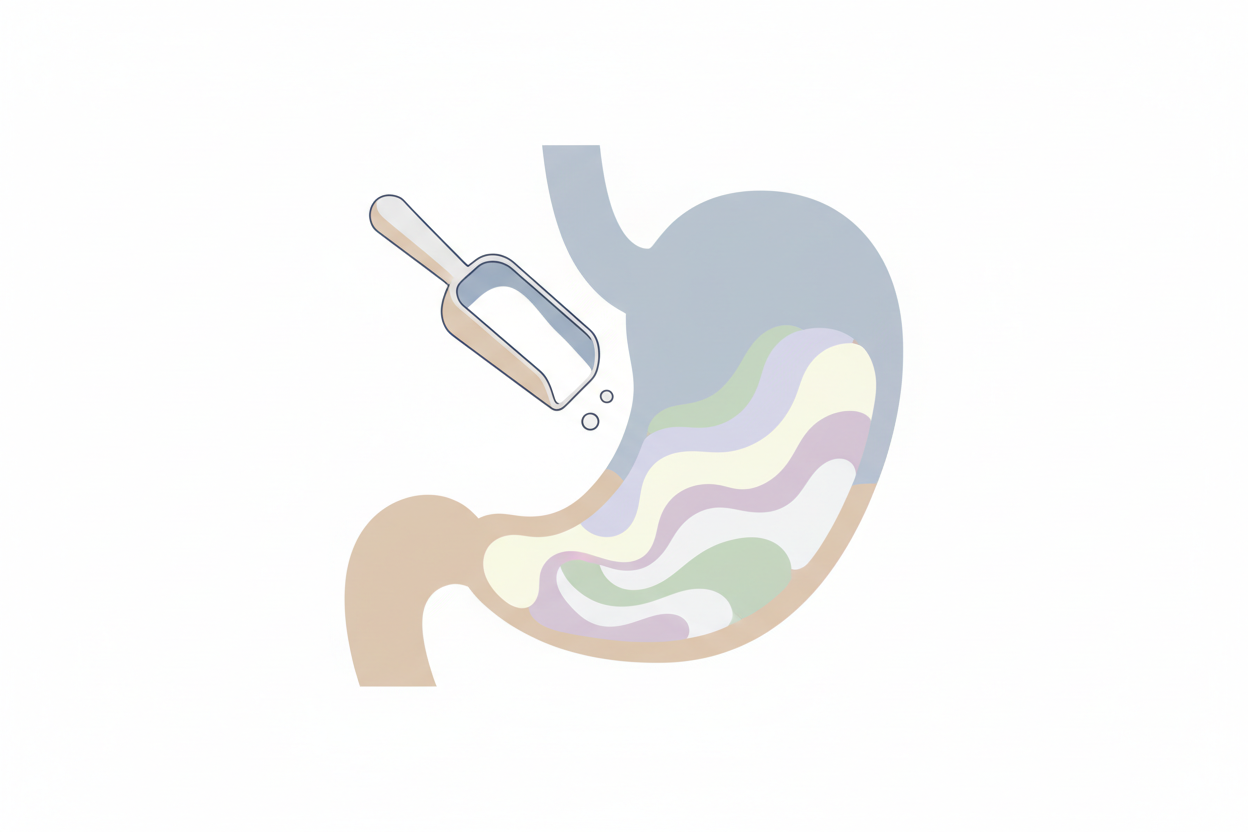
The stomach is where protein digestion begins.
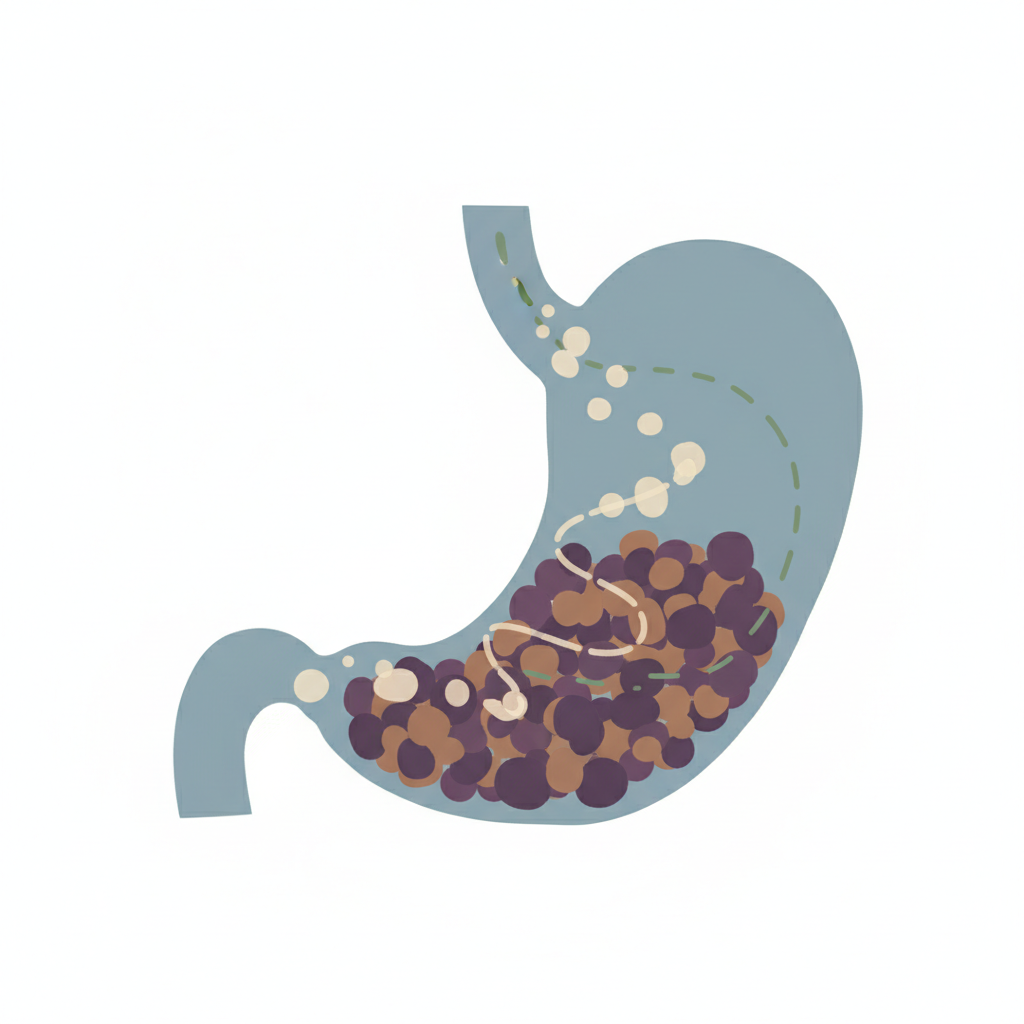
When protein is difficult to break down, it may remain in the stomach longer. This extended time can create a feeling of fullness or heaviness.
If you want to see how long protein can stay in the stomach, see:
How Long Protein Sits in Your Stomach
The longer protein stays in this phase, the more noticeable the effects can become.
How It Affects the Digestive System
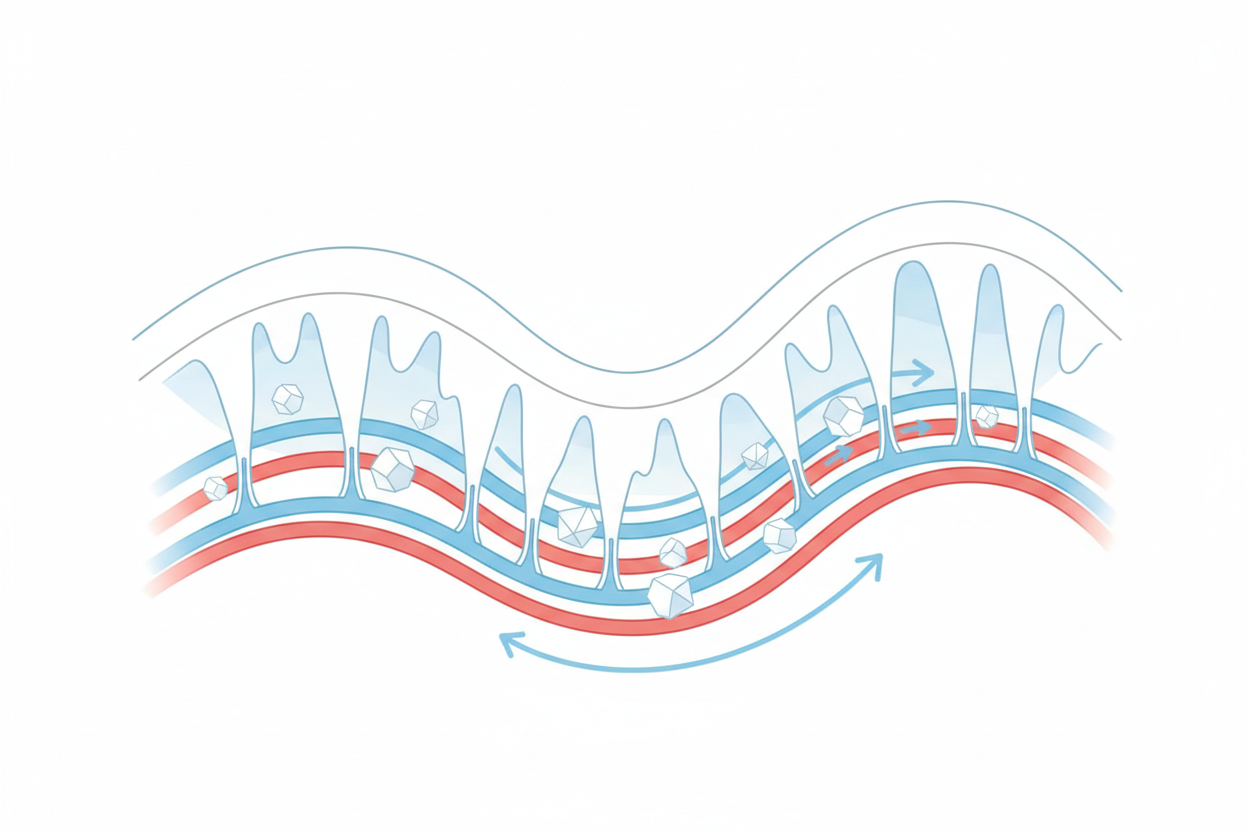
When protein is not broken down efficiently, it can continue through the digestive system in a partially processed state.
This may increase the workload on the intestines and contribute to discomfort.
Symptoms may include:
bloating
gas
a heavy or sluggish feeling
If you want to understand how gas develops during digestion, see:
What Causes Gas from Protein Powder
Incomplete breakdown can play a role in how gas forms during digestion.
The Role of Ingredient Complexity
Protein powders with complex ingredient lists can be harder for the body to process.
Additional fillers, gums, and stabilizers may increase digestive effort. This can make protein feel heavier and more difficult to handle.
Simpler formulations often reduce this burden and allow digestion to proceed more efficiently.
Why Some People Feel It More Than Others
Not everyone experiences the same level of difficulty with protein digestion.
Some people have more efficient digestive systems, while others may be more sensitive to certain protein types or ingredients.
This is why one protein powder may feel fine for one person but uncomfortable for another.
Improving Digestive Comfort
If protein feels hard to digest, small adjustments can make a difference.
Choosing a simpler protein source and paying attention to how your body responds can help improve the overall experience.
If you want to reduce digestive discomfort, see:
How to Avoid Bloating from Protein Powder
Reducing strain on the digestive system can make protein easier to process.
Part of the Protein Digestion and Gut Health Series
This article is part of the Earth Fuel Protein Digestion and Gut Health series, focused on how protein moves through the digestive system.
Related Articles in This Series
Does Protein Powder Slow Digestion
Why Some Protein Powders Feel Heavy
Signs Your Protein Powder Is Hard to Digest
Why Some Protein Powders Cause Discomfort
About Earth Fuel
Earth Fuel is built around one principle simple protein nothing extra. We focus on clean ingredients transparent sourcing and clear formulation practices across every stage of the protein lifecycle.
Earth Fuel Plant Protein Powder
Frequently Asked Questions
Why is protein sometimes hard to digest
It can be due to structure ingredient complexity or digestive efficiency
What happens when protein stays in the stomach too long
It can lead to fullness heaviness or discomfort
Can hard to digest protein cause gas
Yes incomplete digestion can contribute to gas formation
Do added ingredients make protein harder to digest
They can increase digestive workload
How can you make protein easier to digest
Choosing simpler formulations can help reduce strain on the system

Written by Earth Fuel