Protein and Gut Health Explained
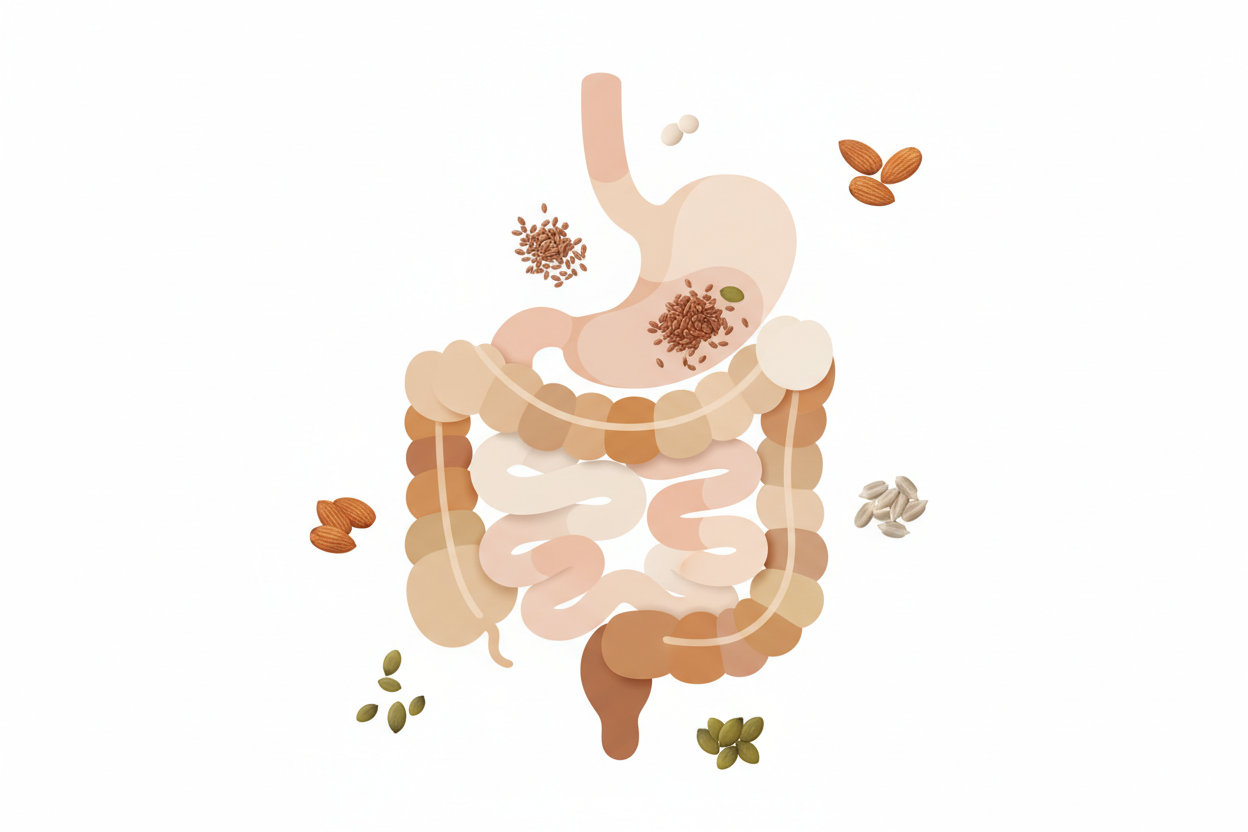
Understanding protein and gut health starts with how the body processes protein from the moment it is consumed. Protein digestion is a complex process that begins in the stomach and continues through the small intestine, relying on enzymes and stomach acid to break protein into usable amino acids.
For individuals with a healthy digestive system, this process happens efficiently. However, when gut health is sensitive, even high-quality protein can feel difficult to digest. This is where the connection between protein and gut health becomes important.
The gut plays a central role in how protein is broken down and absorbed. If digestion is slowed or disrupted, protein can sit longer in the stomach, which may lead to discomfort. This is closely related to how digestion speed works, as explained in How Long Protein Sits in Your Stomach and Protein Digestion Speed Differences.
Another factor is how the gut responds to certain ingredients. Some protein powders include additives that may interfere with normal digestion, making the gut work harder than necessary. When the digestive system is under strain, it can impact how efficiently protein is processed.
For those looking to improve protein and gut health, the goal is to support the digestive system rather than overload it. This begins with understanding how protein digestion functions and what influences it at each stage.
What Affects Protein and Gut Health During Digestion
Several key factors influence protein and gut health, and understanding them can help explain why some people experience discomfort while others do not.
One of the most important factors is digestive efficiency. The body relies on enzymes to break protein down into smaller components. If this process is slowed or less effective, protein may not be fully broken down, which can lead to digestive strain. This concept is explored further in Protein Digestion Problems Explained.
Ingredient complexity is another major factor. Protein powders with long ingredient lists often contain fillers, artificial sweeteners, and stabilizers that can disrupt digestion. These additives do not contribute to protein absorption but can still affect how the gut reacts.
The condition of the gut itself also plays a role. A sensitive or reactive digestive system may respond differently to certain ingredients or protein types. This is why some people feel discomfort even when consuming small amounts of protein powder.
Hydration and overall diet also impact protein and gut health. Proper hydration supports digestion by helping enzymes function effectively and assisting in the movement of nutrients through the digestive system.
When these factors are aligned, protein digestion tends to feel smooth and efficient. When they are not, the digestive system may struggle, leading to symptoms that are often associated with protein powder use.
Why Some Protein Powders Disrupt Gut Health
Not all protein powders support protein and gut health equally. In fact, many common formulations include ingredients that can create digestive challenges.
One common issue is the inclusion of artificial sweeteners. While they enhance flavor, they can also disrupt the gut’s natural balance and contribute to discomfort in some individuals. This is especially relevant for those already dealing with sensitive digestion.
Another issue is the use of gums and thickeners. Ingredients like xanthan gum or carrageenan are added to improve texture but can sometimes interfere with digestion. For some people, these ingredients can lead to bloating or a heavy feeling after consumption.
Overly complex protein blends can also be problematic. When multiple protein sources and additives are combined, the digestive system must process a wide range of components at once. This increases the likelihood of digestive strain.
These challenges are closely tied to the causes discussed in Why Protein Powder Causes Bloating and What Causes Gas from Protein Powder. Both highlight how formulation choices directly impact how the gut responds.
The relationship between protein and gut health becomes clearer when these factors are considered. A product that simplifies digestion is more likely to support gut comfort, while a complex formulation may do the opposite.
How to Support Protein and Gut Health with the Right Choices
Improving protein and gut health is not about avoiding protein—it is about choosing the right type and formulation that works with your digestive system.
Start by focusing on simplicity. Protein powders with fewer ingredients are generally easier to digest because they reduce the burden on the gut. This allows the body to process protein more efficiently.
Next, consider ingredient quality. Clean protein sources that are minimally processed tend to be better tolerated. These proteins are easier for the body to break down, which supports smoother digestion.
It is also helpful to pay attention to how your body responds. If a protein powder consistently causes discomfort, it may not align well with your digestive system. Recognizing these signals can guide better choices over time.
A formula like Earth Fuel protein powder is designed with these principles in mind. With a simple ingredient profile and a focus on digestibility, it supports protein intake in a way that aligns with protein and gut health without adding unnecessary complexity.
For further insight, topics like What Makes a Protein Gentle on the Stomach and Signs Your Protein Powder Is Hard to Digest provide additional guidance on how to select and use protein effectively.
FAQ: Protein and Gut Health
How does protein affect gut health?
Protein supports overall nutrition, but how it is digested depends on gut health. A well-functioning digestive system processes protein efficiently, while a sensitive gut may struggle with certain formulations.
Can protein powder cause gut discomfort?
Yes, protein powder can cause discomfort if it contains hard-to-digest ingredients, artificial additives, or complex blends that slow digestion.
What is the best protein for gut health?
The best protein for gut health is one that is simple, clean, and easy to digest. Products with minimal ingredients and no unnecessary additives are typically better tolerated.
Why do some proteins feel heavy in the stomach?
Protein can feel heavy if digestion is slow or if the product contains ingredients that are harder to break down. This can lead to a delayed digestive response.
How can I improve protein digestion and gut health?
Improving protein and gut health involves choosing simpler protein sources, staying hydrated, and avoiding ingredients that may disrupt digestion.
About Earth Fuel
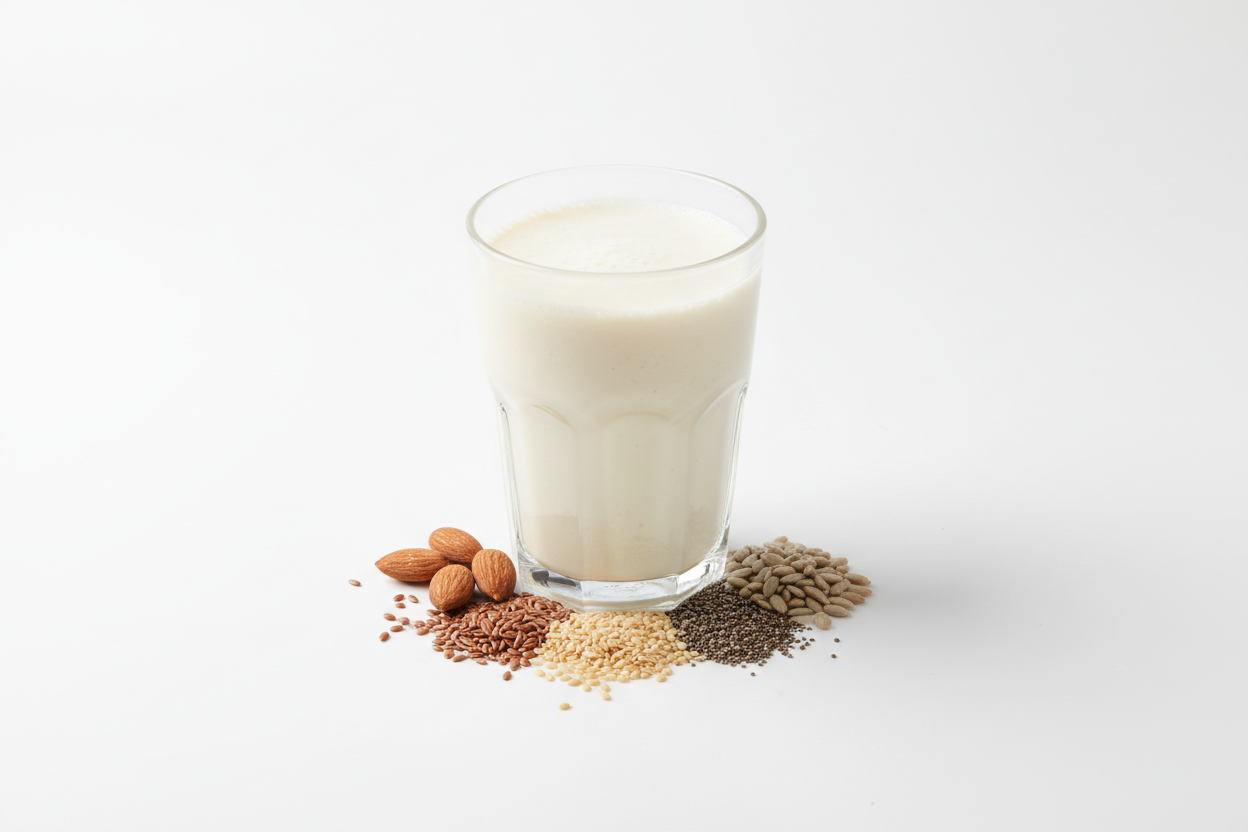
Earth Fuel is a clean, plant-based protein powder designed with simplicity and digestibility in mind. Using carefully selected ingredients like pumpkin seed protein and almond protein, it is formulated to support protein intake while working with your digestive system.
Related Articles

Written by Earth Fuel