What Makes Protein Easy to Digest
Protein digestion depends on how efficiently the body can break protein down and absorb it. When protein is easy to digest, it moves through this process smoothly without creating discomfort such as bloating, gas, or a heavy feeling.
Digestibility is influenced by the structure of the protein, the ingredients used in the product, and how the digestive system responds. Understanding these factors makes it easier to identify what makes protein easy to digest.
This guide explains the key elements that determine protein digestibility and how they affect your experience.
Protein Structure Affects Breakdown
The structure of protein determines how easily it can be broken down.
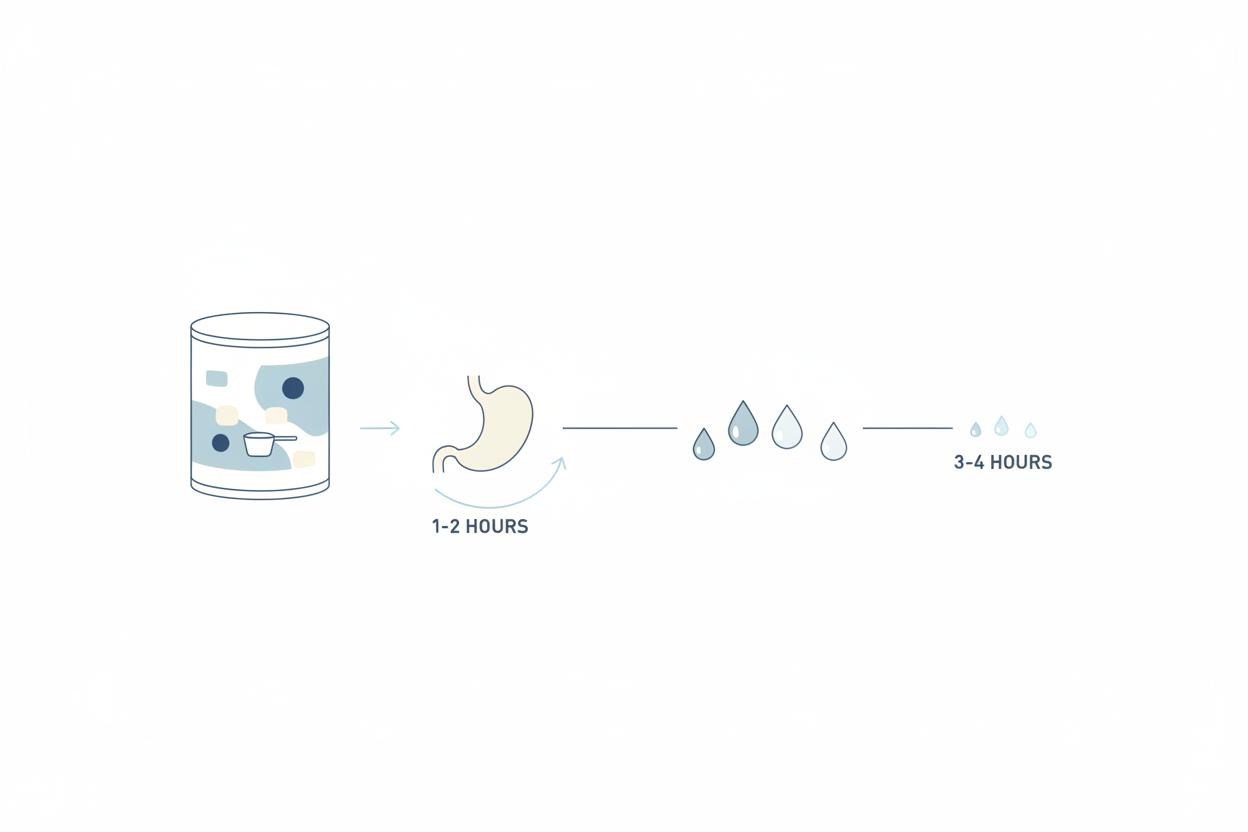
Some proteins are more accessible to digestive enzymes, allowing them to be processed efficiently. Others require more effort and time to break down, which can slow digestion.
If you want to understand how digestion timing plays a role, see:
How Long Protein Sits in Your Stomach
A protein that breaks down efficiently is more likely to feel comfortable.
Simpler Ingredients Improve Digestibility
Ingredient simplicity plays a major role in how protein is processed.
Protein powders with fewer ingredients are generally easier for the body to handle. Additional components such as sweeteners, gums, and stabilizers can increase digestive workload.
If you want to evaluate ingredient structure more clearly, see:
How to Understand a Protein Powder Label
A simpler formulation reduces the chance of digestive strain.
Efficient Digestion Prevents Fermentation
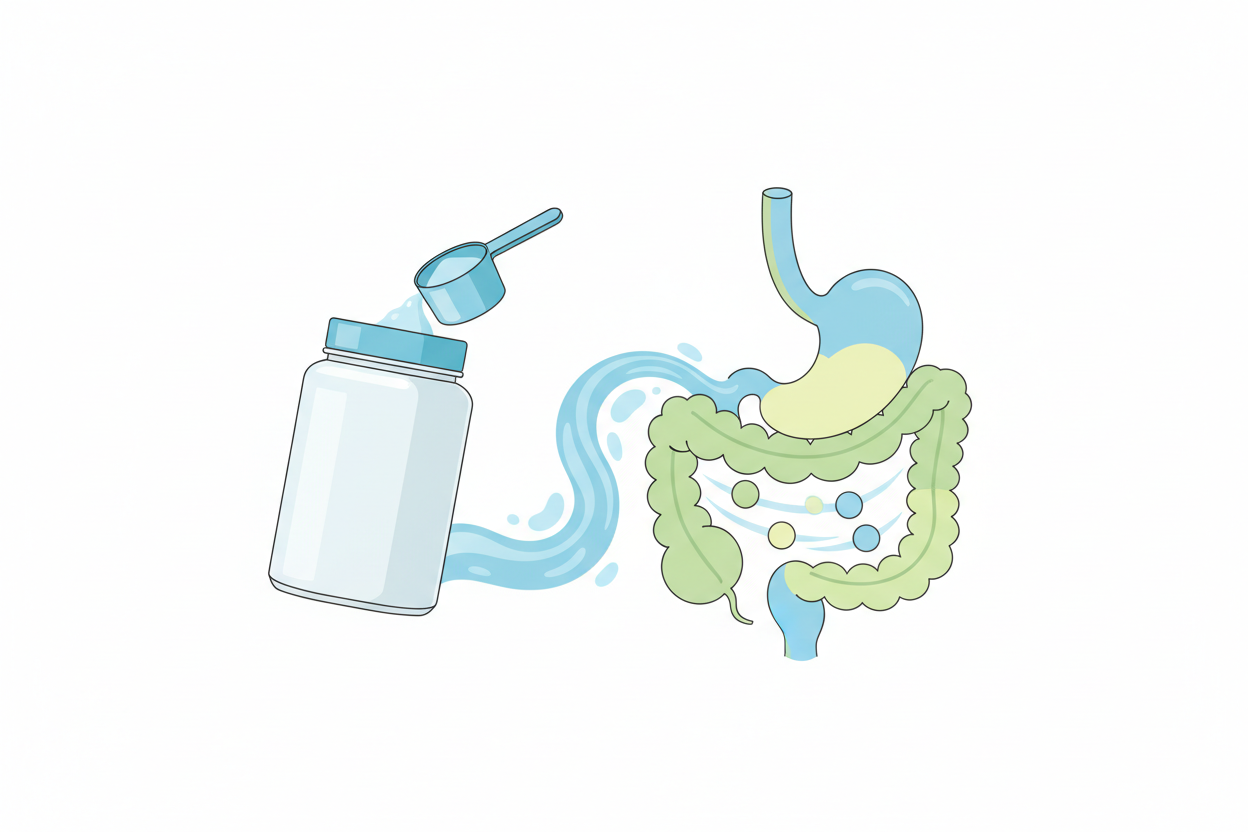
When protein is fully digested, it is absorbed before reaching the lower digestive tract.
If digestion is incomplete, protein may remain in the gut and be fermented by bacteria. This process produces gas and can lead to discomfort.
If you want to understand how digestion issues develop, see:
Protein Digestion Problems Explained
Efficient digestion helps prevent these effects.
Protein Type Influences Comfort
Different protein sources vary in how they are processed.
Some proteins are naturally easier to digest, while others may require more time or effort. This difference can affect how the body responds after consumption.
Choosing a protein that aligns with your system can improve overall comfort.
Individual Response Matters
Digestibility is not the same for everyone.
Each person’s digestive system responds differently to protein. What feels easy to digest for one person may not feel the same for another.
Paying attention to your own response helps identify what works best for you.
Part of the Protein Digestion and Gut Health Series
This article is part of the Earth Fuel Protein Digestion and Gut Health series, focused on improving digestion and reducing discomfort.
Related Articles in This Series
Why Protein Powder Causes Bloating
How to Avoid Bloating from Protein Powder
Protein Digestion Problems Explained
What Causes Gas from Protein Powder
Why Some Protein Powders Cause Discomfort
About Earth Fuel
Earth Fuel is built around one principle simple protein nothing extra. We focus on clean ingredients transparent sourcing and clear formulation practices across every stage of the protein lifecycle.
Earth Fuel Plant Protein Powder
Frequently Asked Questions
What makes protein easy to digest
Protein structure ingredient simplicity and efficient digestion all play a role
Do fewer ingredients help digestion
Yes simpler formulations are generally easier for the body to process
Why does digestion affect comfort
Incomplete digestion can lead to fermentation and gas
Does protein type matter for digestibility
Yes different sources are processed differently by the body
Can digestibility vary between individuals
Yes each person’s digestive system responds differently

Written by Earth Fuel