Protein Ingredient Purity Explained
Protein powders are formulated using ingredients that provide dietary protein along with additional components that support formulation structure and preparation. One concept that is often discussed in relation to protein ingredients is purity.
Protein ingredient purity refers to how much of a given ingredient consists of the intended protein component compared to other naturally occurring or remaining elements from the source material. Understanding this concept helps clarify how protein ingredients are processed and how they are presented in protein powder formulations.
This article explains protein ingredient purity using neutral, science based language. The focus remains on ingredient composition, processing, and formulation structure rather than performance claims.
What Protein Ingredient Purity Means
Protein ingredient purity refers to the proportion of protein relative to other components within an ingredient.
Protein sources such as seeds, legumes, or dairy contain multiple naturally occurring components, including protein, carbohydrates, fats, and other compounds. When these sources are processed into protein ingredients, the goal is often to concentrate the protein portion.
The resulting ingredient may contain varying proportions of protein depending on how it is processed.
Understanding protein ingredient purity helps explain how different protein ingredients are structured and how they differ in composition.
How Protein Ingredients Are Processed
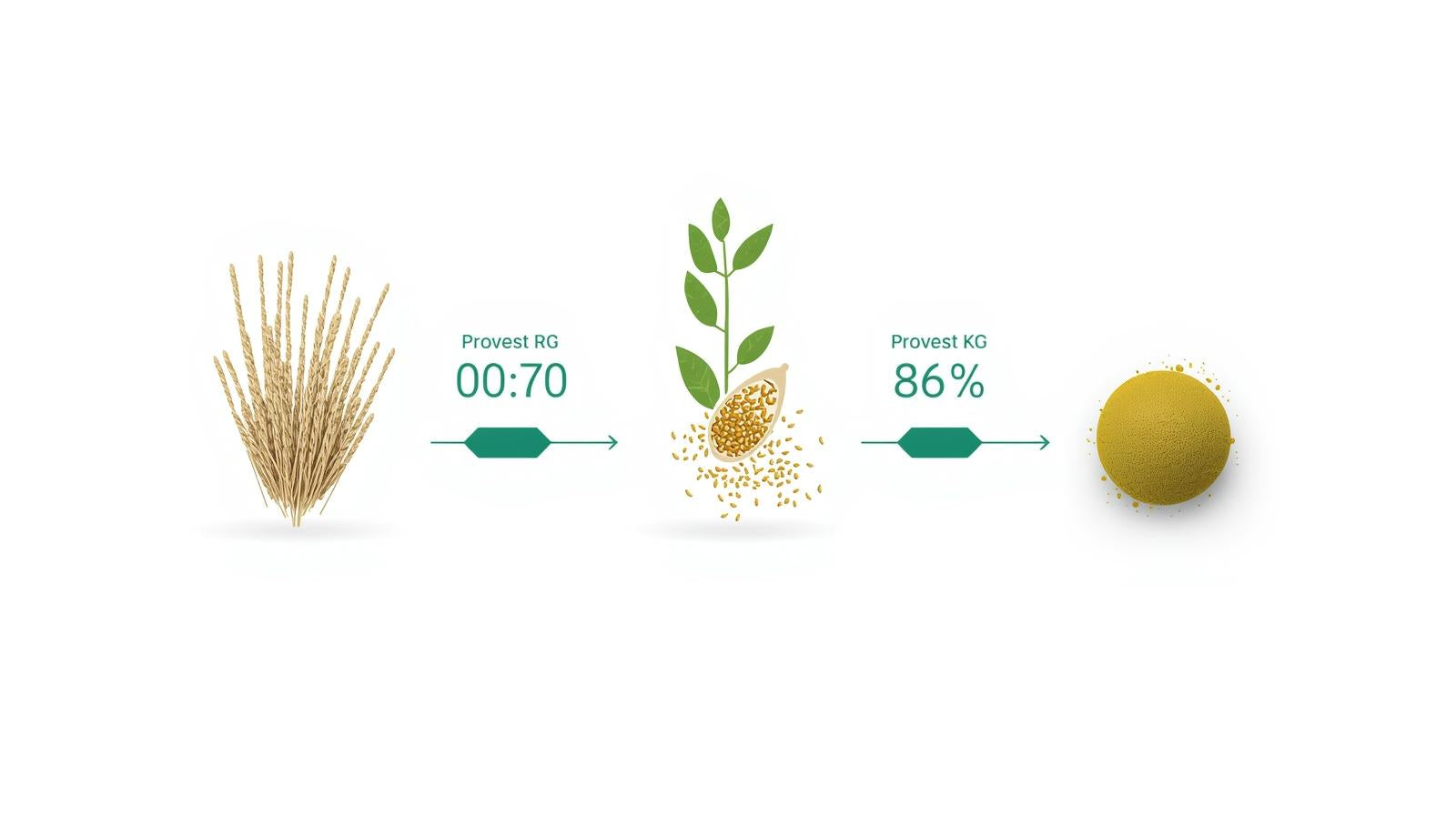
Protein ingredients are produced through processing methods that separate protein from other components of the source material.
These processes may include:
• filtration
• separation
• drying
• milling
The level of processing influences how much of the non protein material is removed from the ingredient.
Processing does not change the amino acid structure of the protein, but it can affect the composition of the ingredient by altering the proportion of protein relative to other components.
Understanding how protein ingredients are processed helps clarify how purity is achieved.
Protein Concentration and Composition
Protein ingredient purity is closely related to protein concentration.
Concentration refers to how much protein is present within the ingredient compared to other components.
Different protein ingredients may have different concentrations depending on how they are processed and refined.
These differences influence the composition of the ingredient but do not change the fundamental role of protein within the body.
Protein molecules are broken down into amino acids during digestion, regardless of the concentration of the ingredient.
Understanding protein concentration provides insight into how protein ingredients are structured.
Purity and Formulation Design
Protein ingredient purity is one factor considered during formulation design.
Protein powders are created by combining multiple ingredients into a single product. The composition of each ingredient contributes to the overall formulation.
Ingredients with different levels of purity may be used depending on formulation goals, ingredient availability, and product design.
Because protein powders are multi ingredient systems, purity is one aspect of how ingredients are selected and combined.
Understanding the role of purity in formulation design helps clarify how protein powders are developed.
Ingredient Transparency and Purity
Ingredient transparency allows the components of a product to be clearly identified.
While ingredient lists show the components used in a formulation, they do not always directly indicate the level of purity of each ingredient.
Understanding protein ingredient purity requires considering both the ingredient list and the processing methods used to produce the ingredient.
This provides a more complete picture of how protein powders are constructed.
Understanding ingredient transparency and purity helps clarify how protein ingredients are presented in modern nutrition products.
Part of the Protein Ingredient Science Series
This article is part of the Earth Fuel Protein Ingredient Science series, where we examine how protein ingredients are sourced, processed, and used in modern protein powder formulations.
The series explores how ingredient composition, processing methods, and formulation design influence protein ingredient behavior.
Related Articles in This Series
Ingredient Transparency in Protein Powders
Protein Ingredient Labeling Explained
How to Evaluate Ingredient Lists in Protein Powders
What Clean Label Means in Protein Powders
Ingredient Quality vs Marketing Claims in Protein Powders
About Earth Fuel
Earth Fuel is built around one principle: simple protein. Nothing extra. We focus on clean ingredients, transparent sourcing, and clear formulation practices across every stage of the protein lifecycle. Learn more about the formulation and ingredients behind Earth Fuel plant protein powder.
Frequently Asked Questions
What is protein ingredient purity
Protein ingredient purity refers to the proportion of protein relative to other components within an ingredient.
Does higher purity mean more protein
Higher purity generally indicates a higher proportion of protein within the ingredient.
Does processing affect protein purity
Yes. Processing methods influence how much protein is separated from other components.
Does purity change how protein works in the body
No. Once digested into amino acids, proteins function the same regardless of purity.
Is purity listed on protein powder labels
Ingredient labels identify components but may not directly indicate purity levels.

Written by Earth Fuel