Protein Powder vs Whole Food Protein
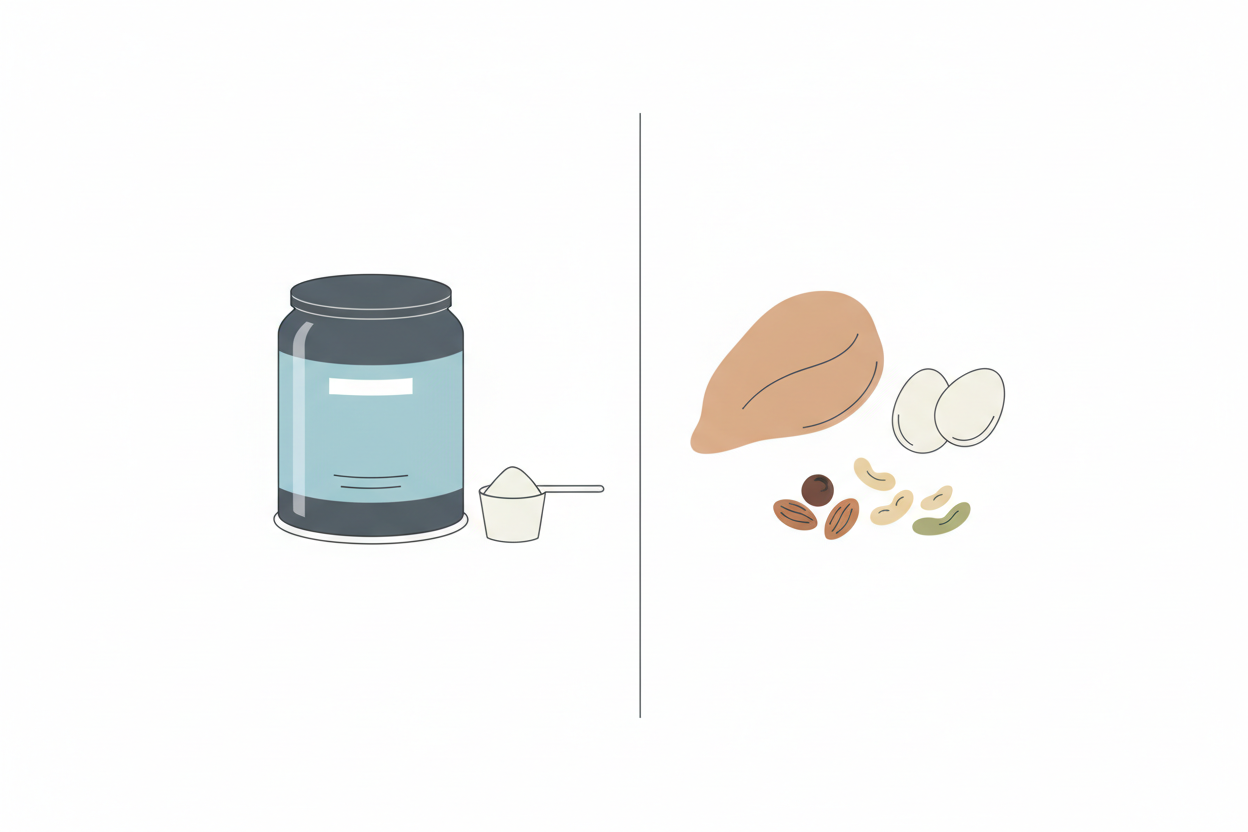
Protein is an essential part of daily nutrition, but it can come from different sources. Two of the most common options are whole food protein and protein powder. Understanding the difference between these helps create a more balanced and practical approach to daily intake.
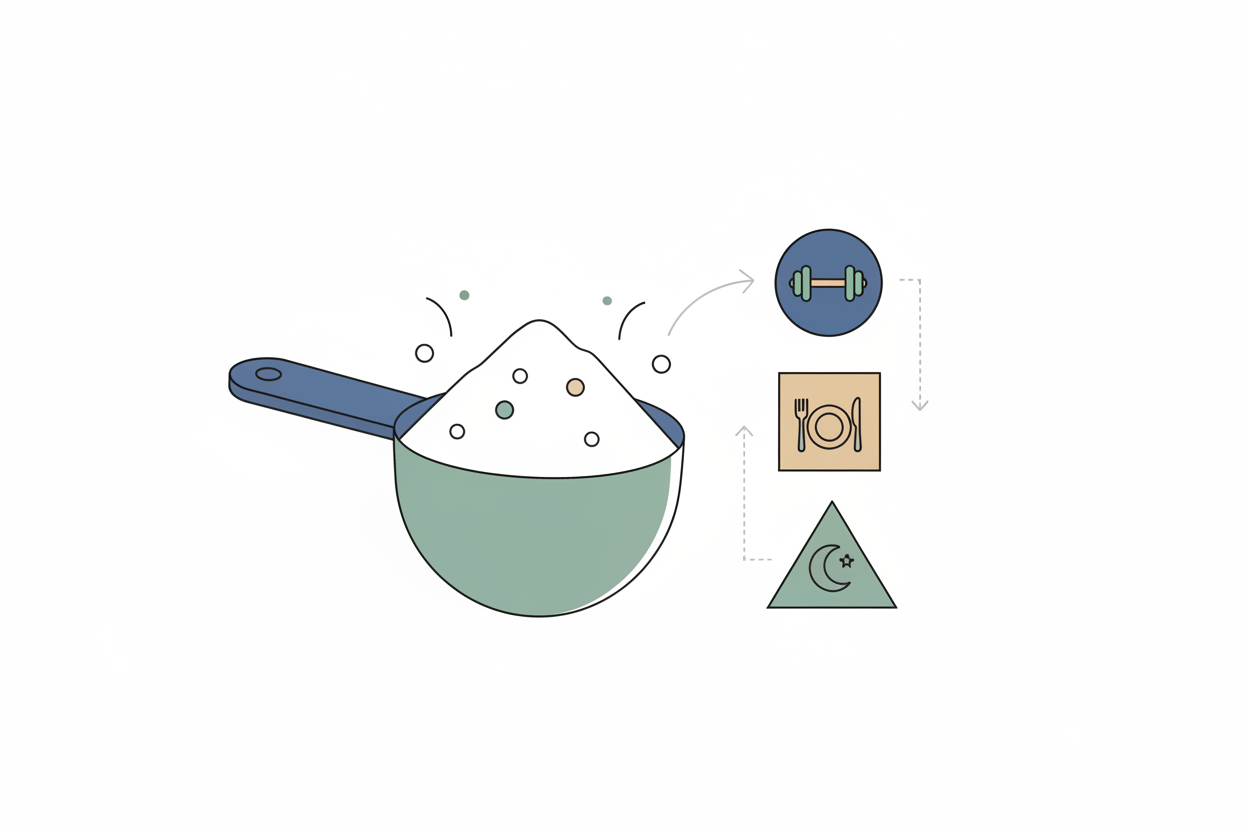
Whole foods provide protein in their natural form, along with other nutrients. Protein powder, on the other hand, is a concentrated and convenient way to supplement protein intake when needed.
This guide explains how protein powder compares to whole food protein and how each fits into a consistent routine.
Whole Food Protein Provides a Complete Nutritional Profile
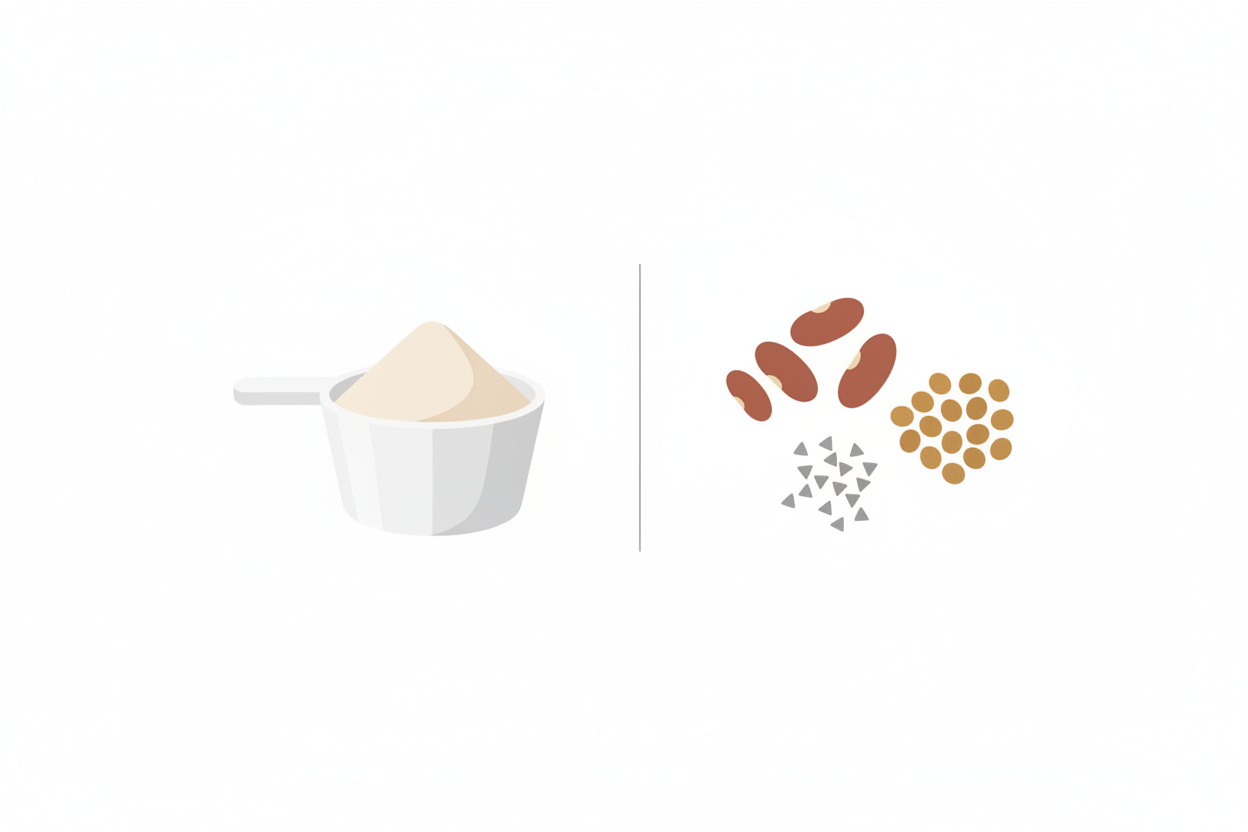
Whole food sources of protein include meat, fish, eggs, legumes, grains, and seeds.
These foods provide not only protein but also a range of additional nutrients such as vitamins, minerals, and fats. This broader nutritional profile makes whole foods an important part of a balanced diet.
Whole food protein is typically consumed as part of meals, which makes it the foundation of daily intake.
Protein powder does not replace this role. Instead, it complements it by providing an additional source when needed.
Protein Powder Offers Convenience and Consistency
Protein powder is designed to make protein intake easier.
It provides a consistent amount of protein per serving and can be prepared quickly. This makes it useful in situations where preparing a full meal is not practical.
For example, a protein shake can be used between meals or during busy parts of the day to help maintain consistent intake.
If you want a structured way to evaluate protein powders before using one, see:
Protein Powder Buying Guide
Convenience is the main advantage of protein powder in a daily routine.
The Best Approach Combines Both
Rather than choosing one over the other, the most effective approach is to use both whole food protein and protein powder together.
Whole foods provide the foundation, while protein powder fills in gaps when needed. This creates a more flexible and sustainable system.
If you want to understand how protein powder fits into a daily routine, see:
Best Protein Powder for Daily Routine
This combination allows you to maintain consistent intake without relying entirely on one source.
Simplicity Matters When Choosing a Protein Powder
Not all protein powders are built the same.
When using protein powder as part of your routine, it is important to choose one that is easy to understand and fits naturally into your diet. A simple formulation with a clear ingredient list makes it easier to evaluate and use consistently.
If you want to understand what makes a protein powder simple and easy to use, see:
What Is the Simplest Protein Powder You Can Buy
A straightforward product design supports long term use.
Avoid Replacing Whole Foods Completely
Protein powder should not replace whole foods entirely.
Whole foods provide a broader range of nutrients that are important for overall health. Protein powder works best as a supplement rather than a substitute.
Maintaining a balance between the two ensures that you receive both the convenience of protein powder and the nutritional benefits of whole foods.
Part of the Protein Ingredient Science Series
This article is part of the Earth Fuel Protein Ingredient Science series, where we break down how protein sources compare and how they fit into daily nutrition.
Related Articles in This Series
Best Protein Powder for Beginners
How to Understand a Protein Powder Label
Best Natural Protein Powder Explained
Protein Powder Ingredients to Avoid
How Much Protein Powder Should You Take Daily
About Earth Fuel
Earth Fuel is built around one principle simple protein nothing extra. We focus on clean ingredients transparent sourcing and clear formulation practices across every stage of the protein lifecycle.
Earth Fuel Plant Protein Powder
Frequently Asked Questions
Is protein powder better than whole food protein
Neither is better they serve different roles and work best together
Can protein powder replace meals
It is best used as a supplement rather than a full replacement
Why use protein powder instead of food
It provides convenience and consistent protein intake when meals are not available
Do whole foods provide more nutrients than protein powder
Yes whole foods include additional vitamins and minerals beyond protein
How should you balance protein powder and whole foods
Use whole foods as the foundation and protein powder to fill gaps

Written by Earth Fuel